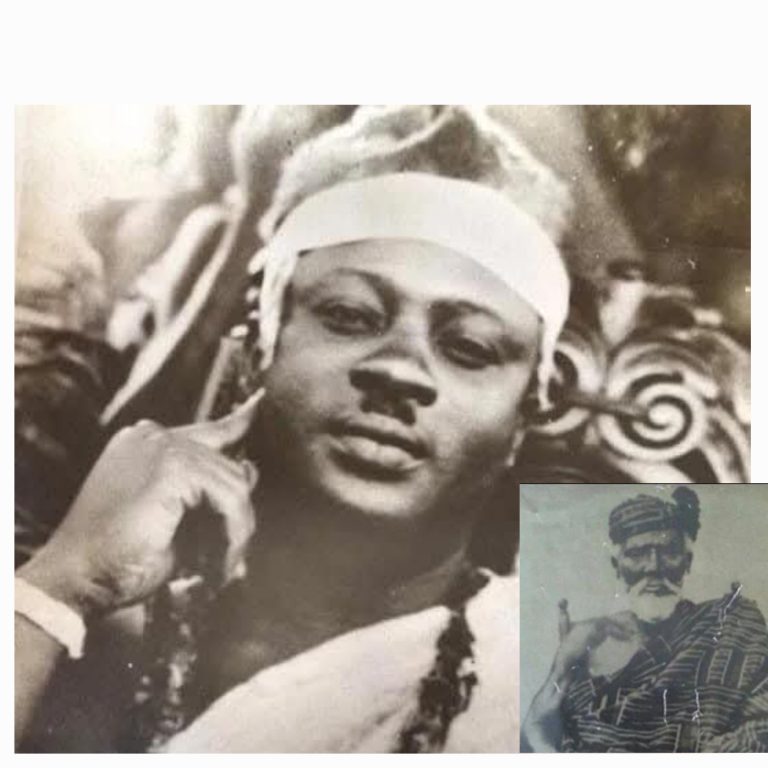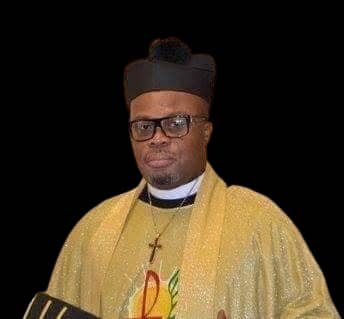
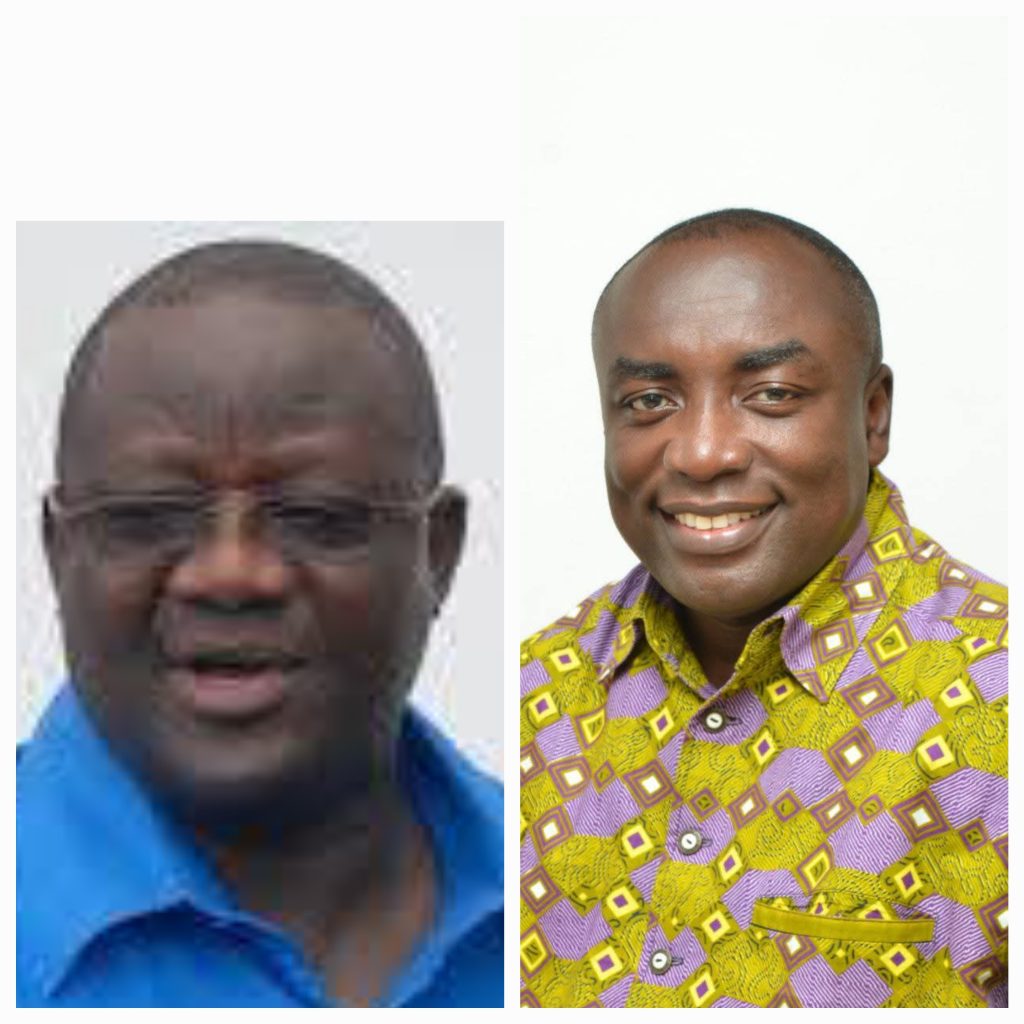
The removal of Paul Afoko as National Chairman, Kwabena Agyepong as General Secretary, and Sammy Crabbe remains one of the defining moments that fractured and weakened the New Patriotic Party. Their suspension between 2014 and 2015 over allegations of misconduct and insubordination, amid growing tensions between party executives and the camp of Nana Addo Dankwa Akufo-Addo, became a turning point in the party’s internal history.
To many observers, it was more than an administrative dispute; it resembled a palace coup that pushed a once formidable political organization into internal fragility. The aftermath created deep divisions within the party and eroded a culture that had long been associated with discipline, rigorous debate, and intellectual leadership.
Since then, the party has increasingly appeared to long for what many describe as a lost era of maturity, strategic thinking, and principled leadership. This is not merely to argue that President Nana Addo Dankwa Akufo-Addo leaves behind a weakened party, but rather to suggest that under his era, intellectual engagement within the party gradually declined into a space where emotions too often replaced reason, and performative politics sometimes overshadowed substance and strategic communication.
The fallout from the suspensions created a vacuum in discipline and intellectual leadership, leaving the party vulnerable to emotional rhetoric and factional theatrics rather than coherent political strategy. The culture of rigorous internal debate that once shaped the party’s identity weakened, and with it came a decline in the capacity to engage opponents through persuasive, thoughtful, and strategic communication.
Today, many within the party look to Mahamudu Bawumia as the figure capable of rebuilding that lost intellectual rigor. For Dr. Bawumia to succeed in rebuilding the party, he must surround himself with mature, disciplined, and well-behaved individuals who possess the capacity for coherent analysis, strategic thinking, and responsible public engagement.
The challenge before him is not simply about personalities; it is about institutional culture. The party must decide whether it wants to continue drifting toward noise, emotionalism, and spectacle, or whether it is prepared to restore a tradition of substance, discipline, and strategic leadership.
When intellectual leadership is sidelined, political organizations often drift into performance rather than purpose. Reversing that trend requires the deliberate cultivation of a new cadre of leaders who value ideas, unity, discipline, and long-term strategy above short-term theatrics and factional battles.
This raises an important question for the future of the NPP: is the current longing for “mature, well-behaved men” simply nostalgia for a lost past, or a genuine recognition that the party must evolve in order to survive and remain competitive?
And if Dr. Mahamudu Bawumia succeeds in restoring intellectual discipline and strategic coherence, will it come through a revival of the old guard’s ethos, or through the emergence of an entirely new model of leadership for the party’s future?
Osɔfo Nii Naate Atswele Agbo Nartey