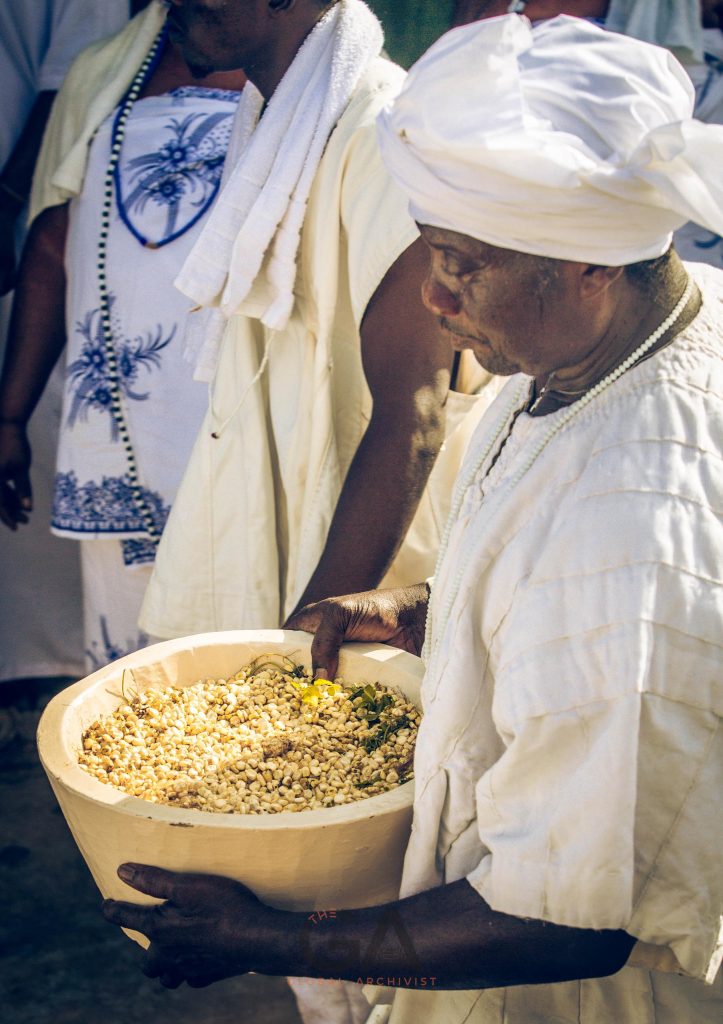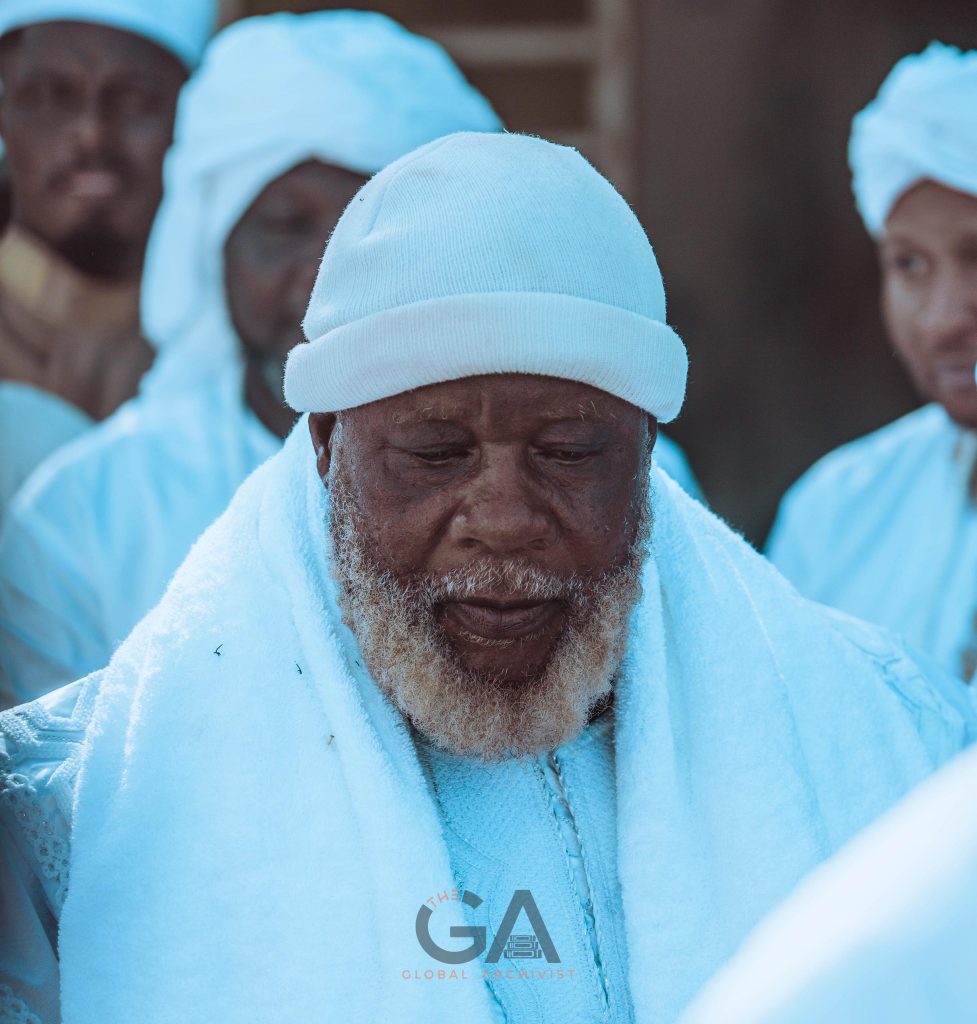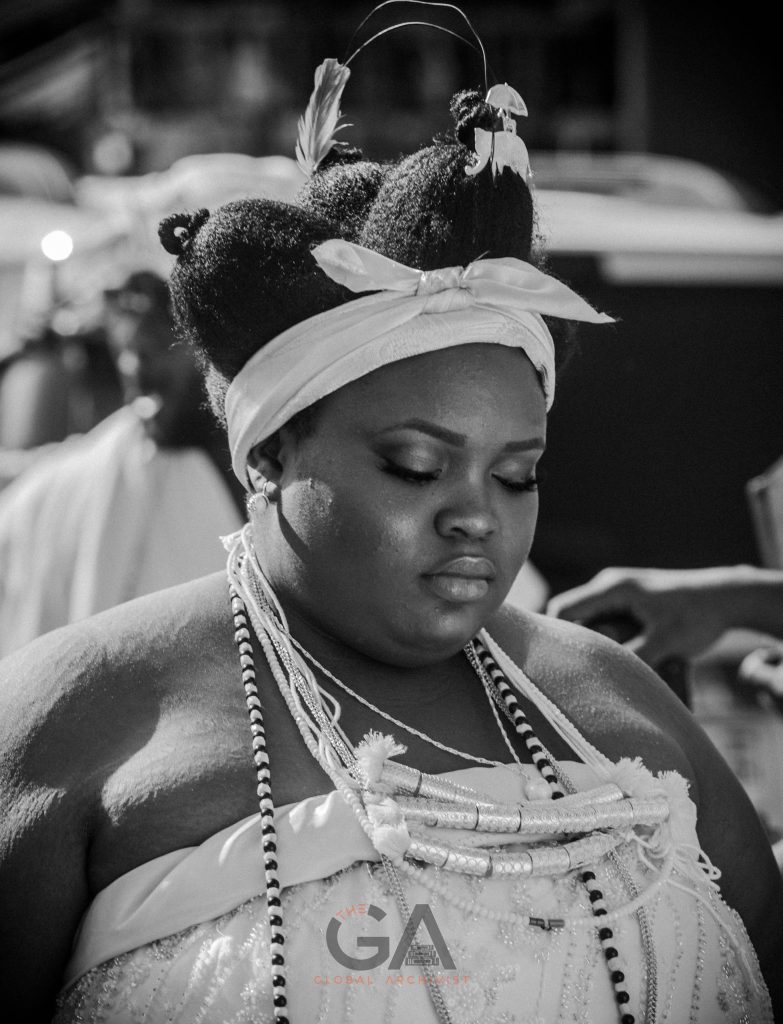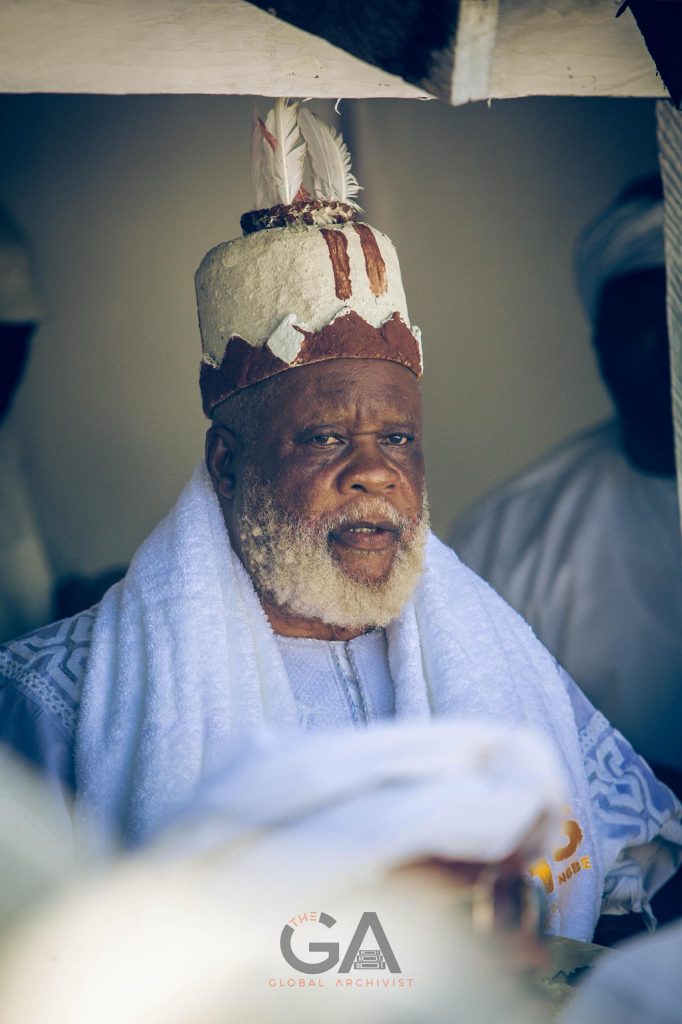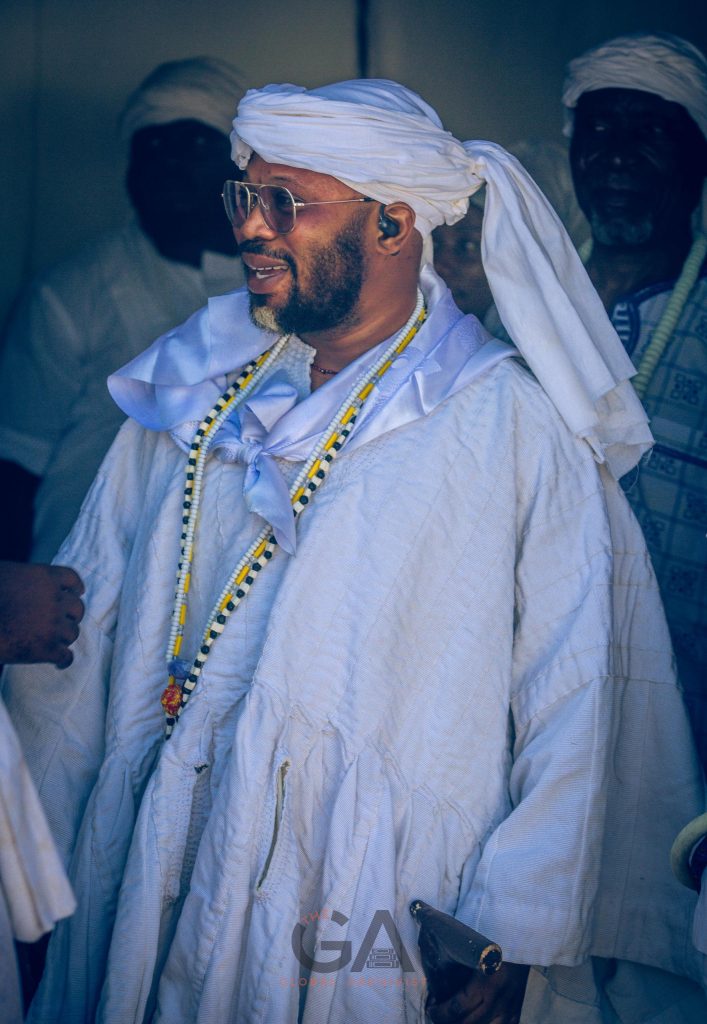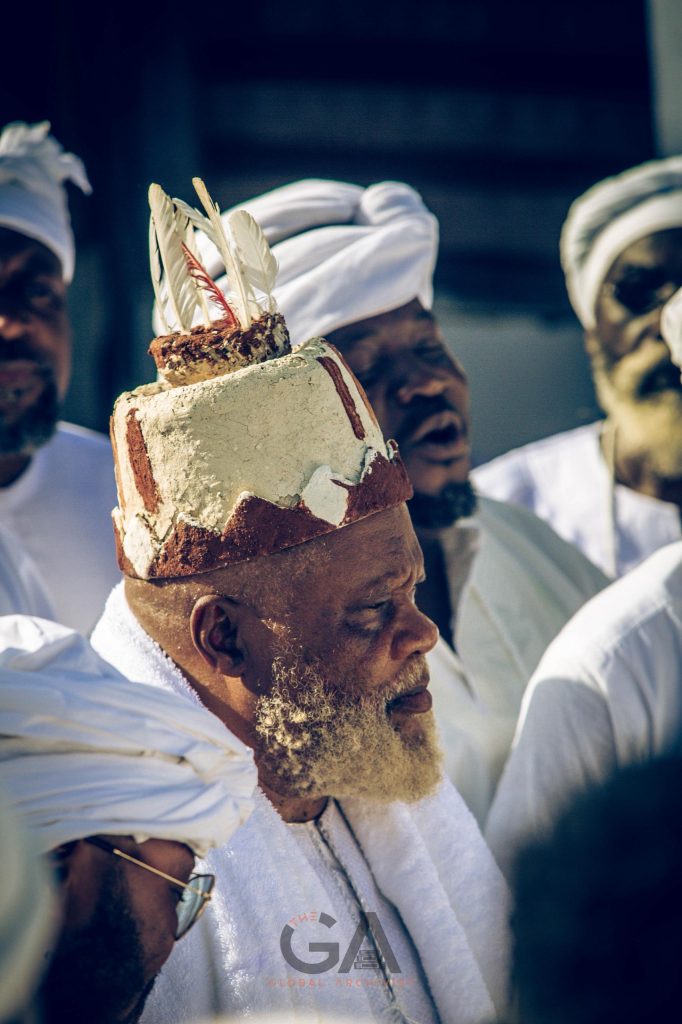
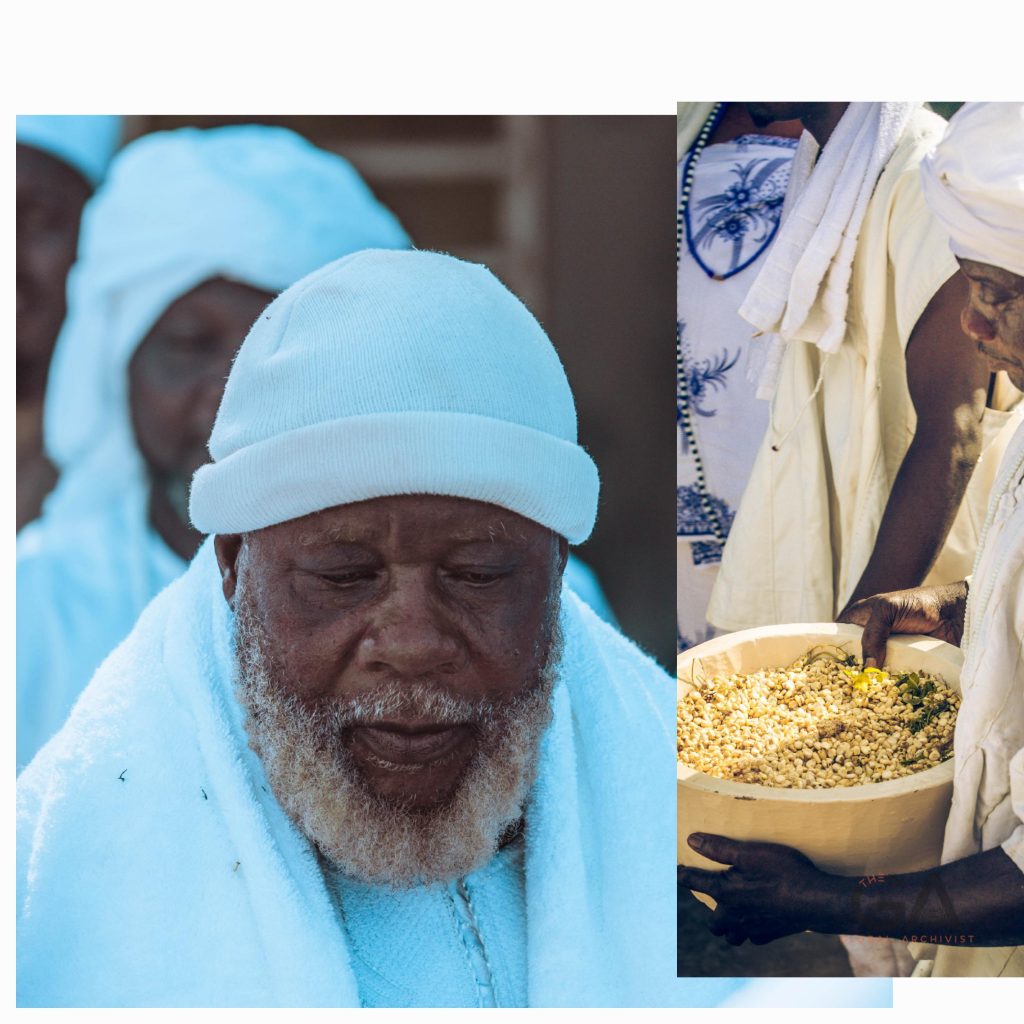
Ga Nungua will soon become the Vatican that lights up Rome. This year’s carrying of the Holy Corn in Nungua was massive, spiritually intense, and culturally electrifying. The streets of Accra came alive with vibrant all-white processions, cultural displays, sacred rites, and traditional exhibitions led by priests and priestesses. The celebration of Abele Wɔmɔ witnessed an exceptionally large attendance, drawing people from all walks of life, including many members of the African diaspora.
Year after year, Abele Wɔmɔ continues to grow in prominence and intensity, distinguished by the outstanding leadership and spiritual performance of the High Priest and Overlord of GaDangme.
Indeed, Ga Nungua showed to the world that it remains a spiritual beacon of GaDangme spiritual headquarters and culturally Vatican City with the Pope Numoe Bokete Laeweh and the candles that continue to light up the soul, culture, and sacred heritage of the GaDangme people and Guans at large.
If you are in Accra, then you are at the heart of some of the most vibrant and spiritually significant cultural celebrations in West Africa. One of the greatest among them is the GaDangme sacred festival known as “Nungua Abele Wɔmɔ.”
Nungua, interpreted traditionally as “Florida Water” “Fragrant Water” or “Holy Water Land,” is the sacred home of this ancient rite. “Abele” refers to the “Holy Corn” or millet used in the ceremony. The ritual involves a sacred pilgrimage from Oyibi, an ancestral settlement linked to Nungua, where the Holy Corn is harvested and carried approximately 12 miles to the Gborbu “Koomli”, located within a sacred coastal forest.
This holy forest is believed to be the dwelling place of numerous deities, including Nai, most supreme deity associated with love, the sea, and the Nile and Gborbu, the compassionate, another superior deity associated with land, forests, and protection.
The GaDangme people, including the people of Nungua, are historically associated with sacred traditions such as the War of Circumcision, the Homowo Festival, often described as the “Passover” or “Manna Festival” of the Ga people, meaning the “Hooting at Hunger,” and Abele Wɔmɔ itself. These sacred observances are believed to date back to the 10th century.
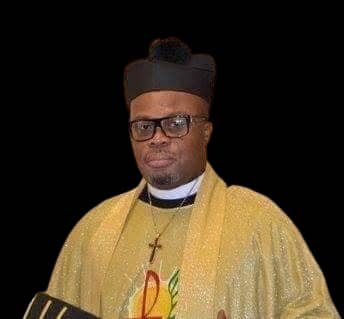
The Holy Corn from Oyibi is ceremonially received by the pope or highpriest Numoe Bokete Larweh XXXIII, regarded by many as the spiritual head and Overlord of the GaDangme people. GaDangme spiritual authority is traditionally represented by two priestly kings and brothers known as the Wulomei: Nai Wulomo Numoe Lakote Aduawushie and Gborbu Wulomo Numoe Bokete Larweh.
“Abele Wɔmɔ” also written as “Abelewomo” or “Abele Womor” is a sacred pre-Homowo rite of the Ga people of Nungua in the Greater Accra Region. In the Ga language, the term literally means “the carrying of the sacred maize” or “the carrying of the sacred corn.”
The annual ritual reenacts an ancient pilgrimage from Antrayie, present-day Oyibi, to Nungua, bringing home the “Adeayebii,” the first harvested sacred corn. This sacred corn, believed to be an ancient generational grain with roots linked symbolically to ancient Egypt, is not eaten but preserved and offered spiritually.
The ceremony commemorates a period of severe famine that compelled the ancestors of the Ga people to journey in search of food and survival. The pilgrimage is repeated annually to purify the land, bless the people, ensure abundance, and officially usher in the Homowo season, locally known in Nungua as Kplejoo.
The Sacred Journey
The Abele Wɔmɔ procession is a solemn and spiritual pilgrimage covering approximately 29.3 kilometers from Oyibi to Nungua. It is undertaken by Wulomei, traditional priests and priestesses, who observe strict spiritual discipline throughout the journey.
They:
- Walk barefoot from Oyibi to Nungua
- Dress entirely in white as a symbol of purity
- Wear bitter melon leaves (“Nyanyra”) around their necks
- Maintain complete silence throughout the journey
- Do not eat or look back during the sacred trek
It is believed that speaking, eating, or turning back could interrupt the spiritual potency of the ritual.
Upon arrival in Nungua, the priests are welcomed ceremonially and offered holy water to drink. The sacred corn is then presented to the Gborbu Wulomo, after which the rite known as “Abele Shwamɔ” is performed. During this sacred observance, the Holy Corn is sprinkled upon the shrines of the 99 deities to invoke blessings, protection, purification, peace, and prosperity upon the land and the people.
Ghana is globally admired for its rich and colorful festivals. Among the nation’s most monumental celebrations are Homowo, the “Hooting at Hunger,” Aboakyir, the Deer Hunt Festival, Odwira, the Festival of Purification and Yam, Akwasidae, the Ashanti Royal Durbar, Damba, Hogbetsotso, commemorating the dramatic escape of the Ewe people from a tyrannical ruler in ancient Togo, and Asafotufiami, celebrated by the people of Ada in the Greater Accra Region.
Africa as a whole is blessed with deeply rooted traditional festivals that reflect the continent’s spirituality, history, migration, warfare, agriculture, and ancestral memory. These celebrations are marked by colorful pageantry, traditional drumming, sacred rituals, family reunions, warrior reenactments, and mystical displays symbolizing the enduring presence of ancestral spirits and deities. Most sacred and chaste of all is ‘All White’ Ga Nungua Abele Wɔmɔ.
Osɔfo Nii Naate Atswele Agbo Nartey.