The Ga Maŋtsɛ stool reigns supreme over Nungua’s because it is not merely a chieftaincy, it is the primordial throne of the entire GaDangme people. Its authority flows directly from the earth itself, consecrated by the very custodians of the land: Nortse Lakote Aduawushie Shitse Bokete Laweh. These two spiritual pillars do not install a mere chief; they recognize and proclaim the Ga Maŋtsɛ as the First Son of the land, the firstborn inheritor of the covenant between the Ga people and the ancestral realm.
This recognition is not ceremonial; it is ontological. It declares that the Ga Maŋtsɛ stands as the living embodiment of Ga unity, the supreme mouthpiece of the people before the gods, and the final arbiter in matters of tradition, war, and peace.
Wobole kutuu Wɔkpɛ ( we meeting together as family ) is one of the epic customary rites once performed annually in the Gborbu forest at Nungua. During this ceremony, all 14 chiefs of the Ga State would gather before the Gborbu deity for a family reunion. At that time, the Ga Maŋtsɛ sat among his peers as the First Son of the deity, so why not the Nungua Maŋtsɛ stool?
Wobole kutuu Wɔkpɛ pictured an honor in the home, where special privilege is tied strictly to birth order. The discussion of birthright particularly in the context of the patriarchal narratives involves specific rights and responsibilities accorded to the firstborn. Wobole kutuu Wɔkpɛ rites often center on spiritual inheritance and the character of Ga Maŋtsɛ, rather than serving as a directive for modern familial respect based solely on being the eldest.
Furthermore, Wobole kutuu Wɔkpɛ highlighted a shared responsibility and love that emphasized, on the duty of parents to introduce their elder son in a manner that fosters harmony and divine order. While this may imply that children should respect the role of an elder sibling, it is typically framed within the broader context of togetherness, love, and duty, rather than as a strict mandate of birthright.
Nungua, though sacred and irreplaceable, serves a different function. It is the citadel of ritual purity, the fortress of purification, the place where Bokete Laweh and the rites of spiritual clemency guard the moral and metaphysical health of the GaDangme nation. Its power is foundational without Nungua, the spiritual backbone of GaDangme would crack. But foundation is not the same as crown or Nungua Maŋtsɛ stool. The foundation supports; the crown governs as Ga Maŋtsɛ’s. Nungua purifies so that Ga Maŋtsɛ may rule with legitimacy, and not Nungua Maŋtsɛ. Nungua blesses so that Ga Maŋtsɛ may lead with divine backing, this has gotten nothing to do with Nungua Maŋtsɛ.
Moreover, no chief in any Ga State Nungua, Osu, Teshie, La, or any other can claim supremacy over Ga Maŋtsɛ. Why? Because every other stool derives its authority from the land in a localized sense, but Ga Maŋtsɛ derives his from the land in its totality. He is not chosen by a single quarter or clan; he is elevated by the consensus of the earth and sea priests who hold the keys to GaDangme destiny. To challenge Ga Maŋtsɛ is to challenge the spiritual order itself, for his installation is sealed by either Nortse or Shitse the very forces that determine who is worthy to sit as First Son.
Thus, Nungua’s reign is sacred, deep, and ancient owing to Gborbu’s presence and not because of Nungua Maŋtsɛ. It’s inward-looking, guarding the inner fire of the Ga soul. Ga Maŋtsɛ’s reign is outward-looking, gathering all the fires into one flame that lights the entire nation. One is the heart; the other is the head. The heart keeps the body alive, but the head commands it. And in the Ga body politic, the head has always been Ga Maŋtsɛ, the supreme stool, the overarching sovereignty, the throne that neither time nor man can diminish.
So it is simple logic, and so it shall remain: Nungua is the altar, but Ga Maŋtsɛ stool is the kingdom. So if you call yourself a Maŋtsɛ in any Ga State, kindly justify the designation of where to belong without a choice. For any other royal stool to presume itself above Ga Maŋtsɛ is not merely melodramatic, it is megalomaniacal and Machiavellian.
Such a stool picks fights it cannot finish, by leashing out it’s paid vulgarian or senseless barker on a champion, the sleeping lion, while seeking to control not only the deities but God Himself.
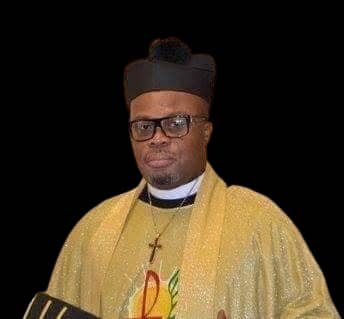
Osɔfo Nii Naate Atswele Agbo Nartey