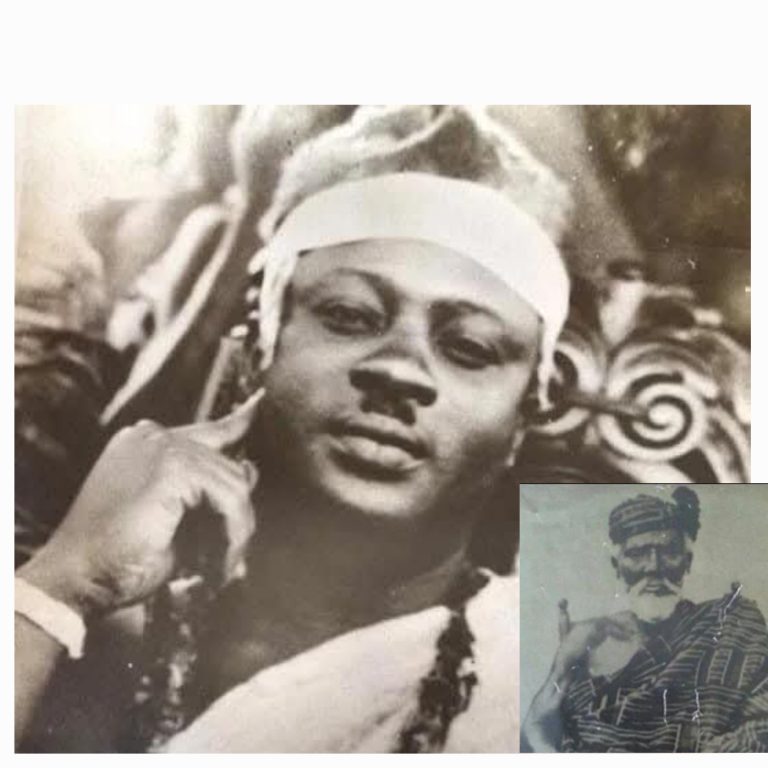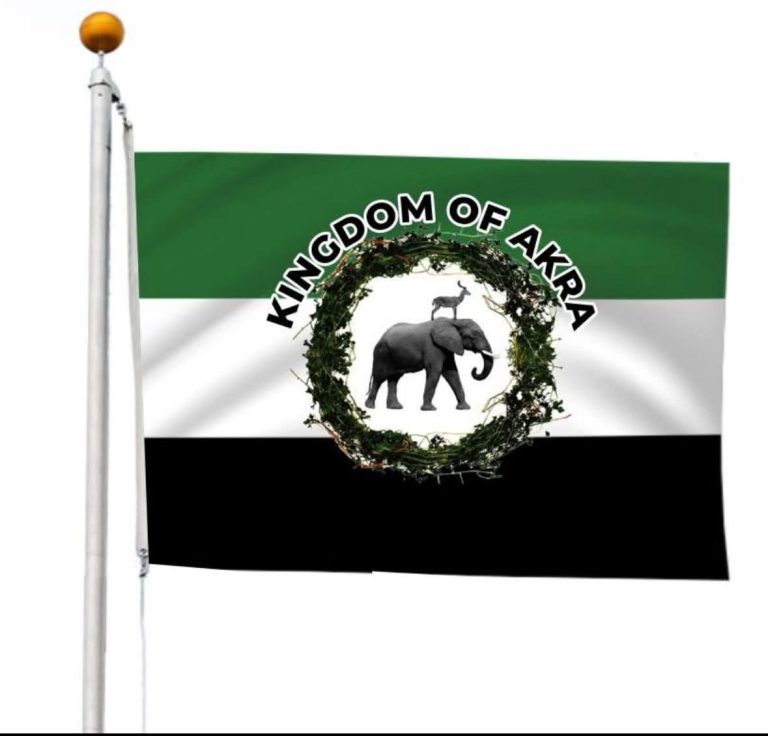
The Ga Maŋtsɛ stool is a paramount chieftaincy, even though it’s in the same category as the Asantehene stool. There’s no chieftaincy in GaDangme that the Asantehene recognises as equal, except the Ga Maŋtsɛ stool.
In Ghanaian law, gazetting is not what makes someone a Ga Mantse, nor is it a precondition for the validity of that status. The legal principle is that chiefly status comes from customary enstoolment, while gazetting is merely an administrative step for certain statutory functions.
This is why the Ga Mantse had to be gazetted before he could be sworn in as President of the Ga Traditional Council. But that is a functional requirement, not a status determining one.
Since 1960s, the Ga Maŋtsɛ stool has been embroiled in a long, bitter dispute over who is validly enstooled. Competing factions have installed rival claimants, and gazetting has become a weapon in that fight one faction points to gazetting as proof of legitimacy, while courts have ruled that removal from the Register must follow due process. So the gazetting issue for the Ga Mantse is not about legal necessity for being chief, but about which claimant the state will recognise for official purposes.
Gazetting is not what makes either the Ga Mantse or the Asantehene a chief. In Ghanaian law, chiefly status comes from customary enstoolment, not from publication in the Gazette.
Under the 1992 Constitution and the Chieftaincy Act, 2008 (Act 759, section 57 5) the Supreme Court has confirmed that entry in the National Register of Chiefs is not a condition precedent to being a chief. The constitutional requirements, nomination, election/selection, and enstoolment according to customary law are what confer status. Gazetting is a downstream administrative step that only affects the ability to perform statutory functions (like presiding over a Traditional Council), not the validity of the chieftaincy itself.
The Asantehene does not gazette as a paramount chief because he is not one. Under customary law, he sits above paramountcy. He creates paramountcies, receives allegiance from paramount chiefs, and can destool them. The Chieftaincy Act itself recognises this unique position: it expressly names the Asantehene as the President of the Ashanti Regional House of Chiefs, and defines him as “the occupant of the Golden Stool of Ashanti”. His authority predates the Republic Ghana inherited him, it did not create him.
The Asantehene doesn’t gazette because he is constitutionally and customarily above the paramount category. Unfortunately, the Ga Mantse’s role is not defined as above paramountcy, even though he was the issuance of paramountcy to his subjects. His role is contested not only because of underlying customary enstoolment but mere insubordination due to internal wrangling by the very stools he elevated.
A Ga Mantse who has been validly enstooled is legally a chief regardless of gazette status. However, without gazetting, he may be prevented from performing statutory functions or being officially recognised for state purposes. The courts have consistently distinguished between the customary question of “who is a chief” and the administrative question of “who may act in official capacities”.
The Ga Mantse does not need the Gazette to be the Ga Maŋtsɛ, customary enstoolment already establishes that. The Gazette only affects his ability to act in statutory capacities.
“When leaders quarrel over the crown, the people inherit the debacle”
This is precisely the Ga situation. The long running dispute between rival claimants to the Ga Mantse throne has produced:
· Parallel installations and rival Traditional Councils
· Communal tension in Accra, with factions aligned to different claimants
· Weakened traditional authority, when the stool is contested, the chief cannot speak with one voice for the Ga people
· State entanglement gazetting, swearing in, and court cases become battlegrounds, dragging the Republic into what is essentially a customary matter
The ordinary Ga person did not choose this fight, yet they bear its cost: divided allegiance, diminished representation, and a stool whose moral authority is eroded by litigation.
Again, “The debacle of the village began when its elders stopped listening to one another”
This is the root cause. Chieftaincy disputes in Ghana, Ga, Dagbon, Bawku, and elsewhere, rarely begin with the crown itself. They begin when:
· Elders stop consulting the proper customary bodies
· Kingmakers act in factions rather than as a unified college
· Self interest replaces consensus, and the process is rushed or manipulated
· Dialogue breaks down, so the dispute moves from the family house to the courtroom and the airwaves
The Ga Mantse conflict is a textbook case: once the elders and kingmakers ceased to listen to one another, no installation could command universal acceptance and the Gazette became a weapon instead of a formality.
Ghanaian law actually reflects this wisdom. The courts have consistently held that they will not impose a chief on a people, chieftaincy is a customary matter, and the law defers to the community’s own processes. The Constitution guarantees the institution of chieftaincy “together with its traditional councils as established by customary law and usage.” The law, in other words, knows that a crown imposed over quarrelling elders is no crown at all.
The deeper point of both proverbs: the Gazette cannot cure a broken customary process. It can only register its outcome. When elders listen to one another, the enstoolment is accepted and the Gazette is a formality. When they don’t, no amount of gazetting, swearing in, or litigation can make the chief truly sit on the stool.
In the case of the Asantehene, the elders listen to one another, with unity wrapped in truth for strength; division is weakness and defeat. They ensure that satan doesn’t separate people who God seeks to make one. For disasters follow when brethren refuse to counsel together and unite under one leader.
Osɔfo Nii Naate Atswele Agbo Nartey Writes: