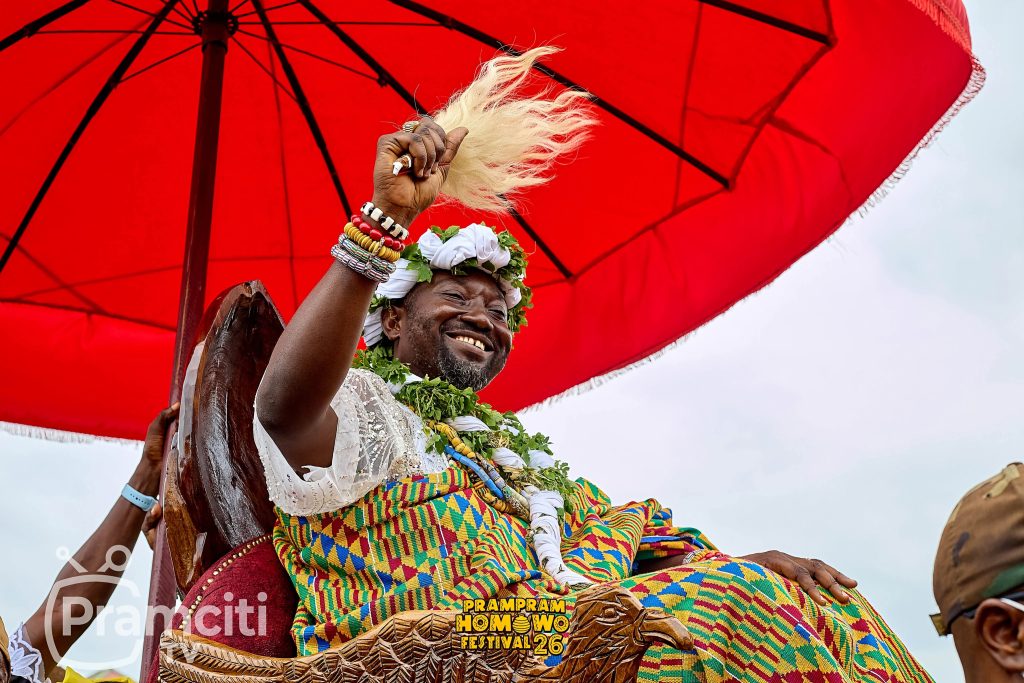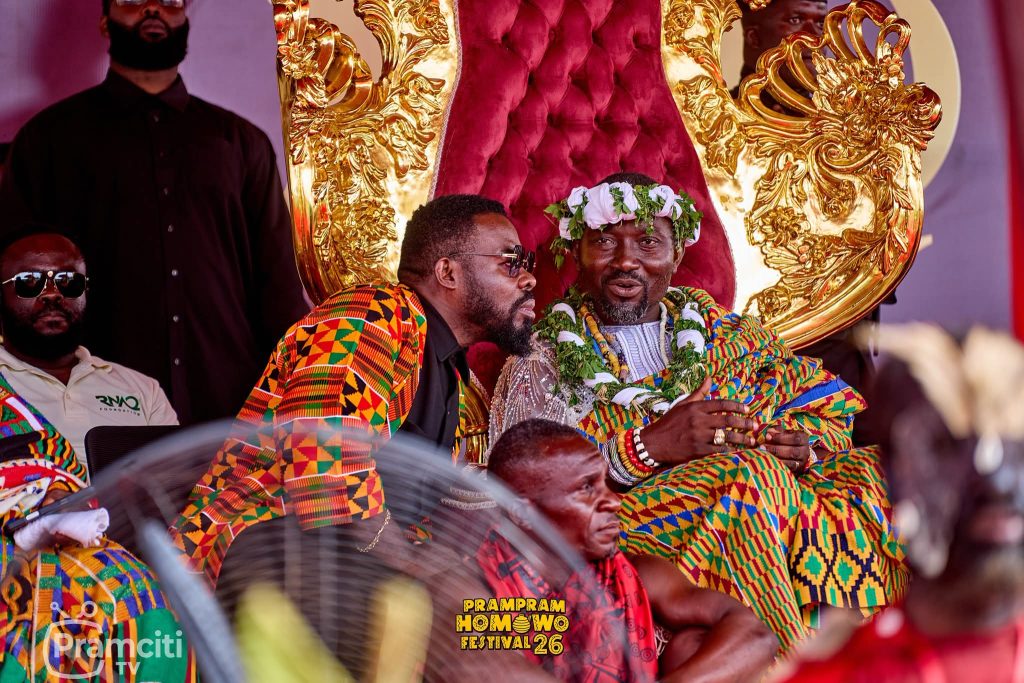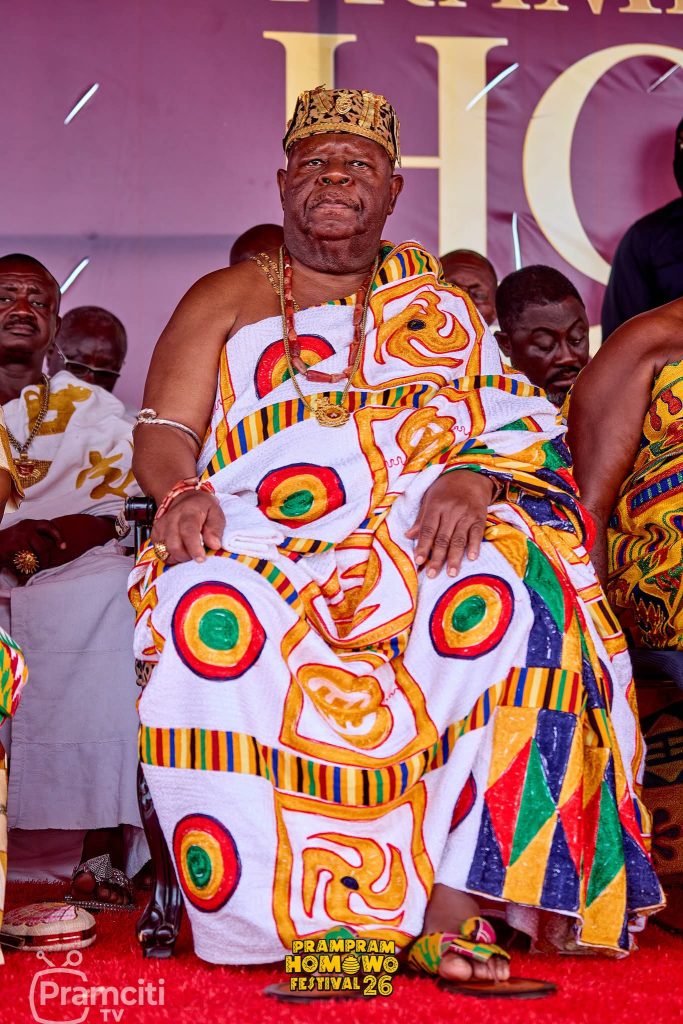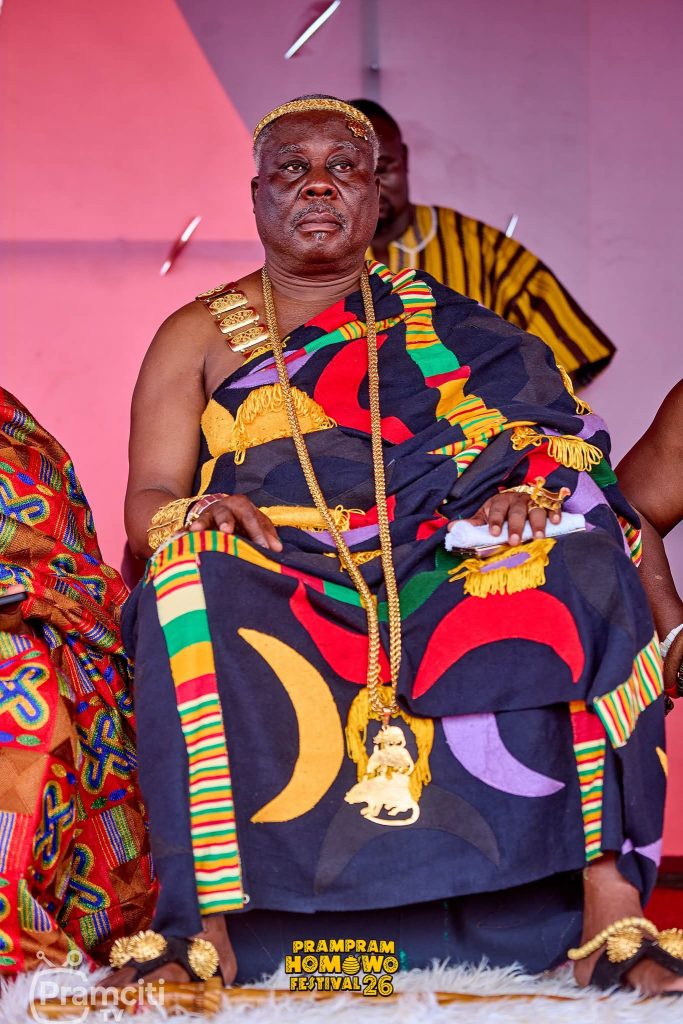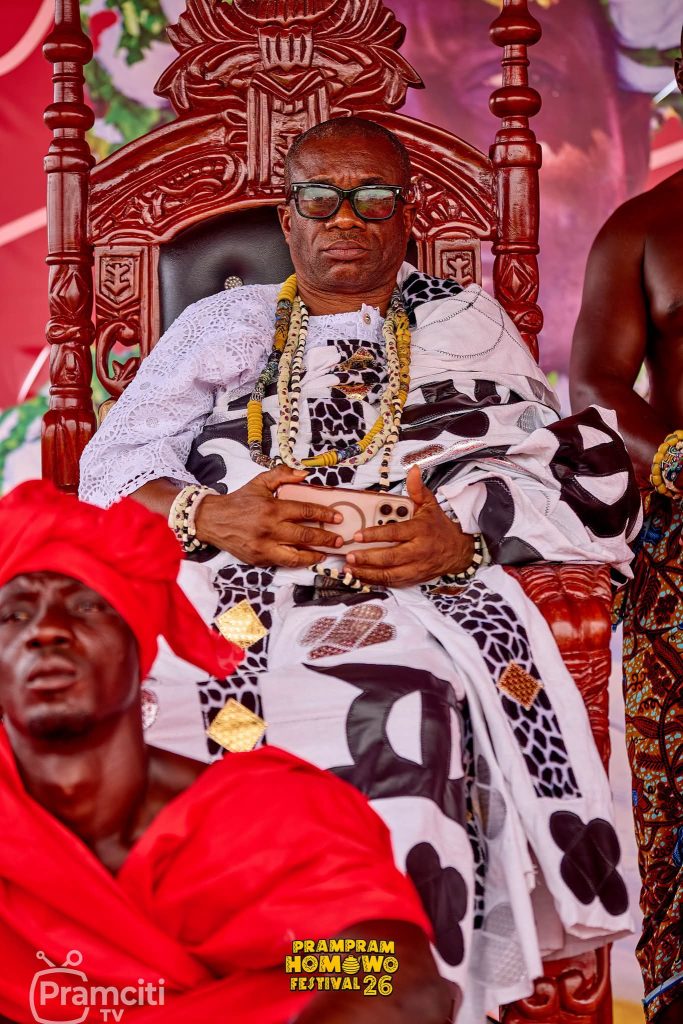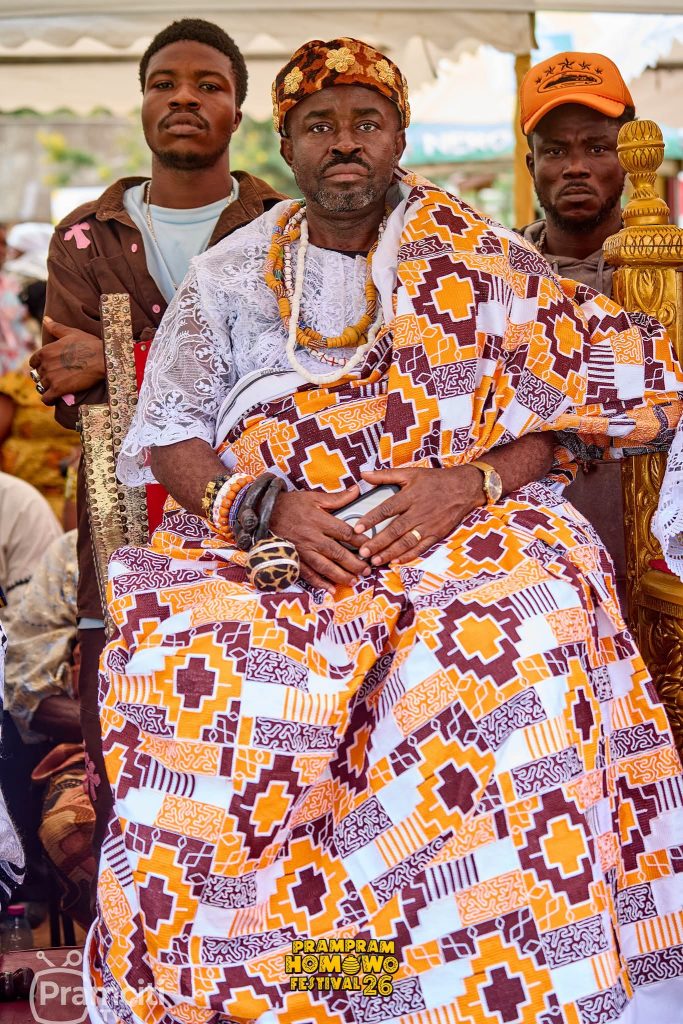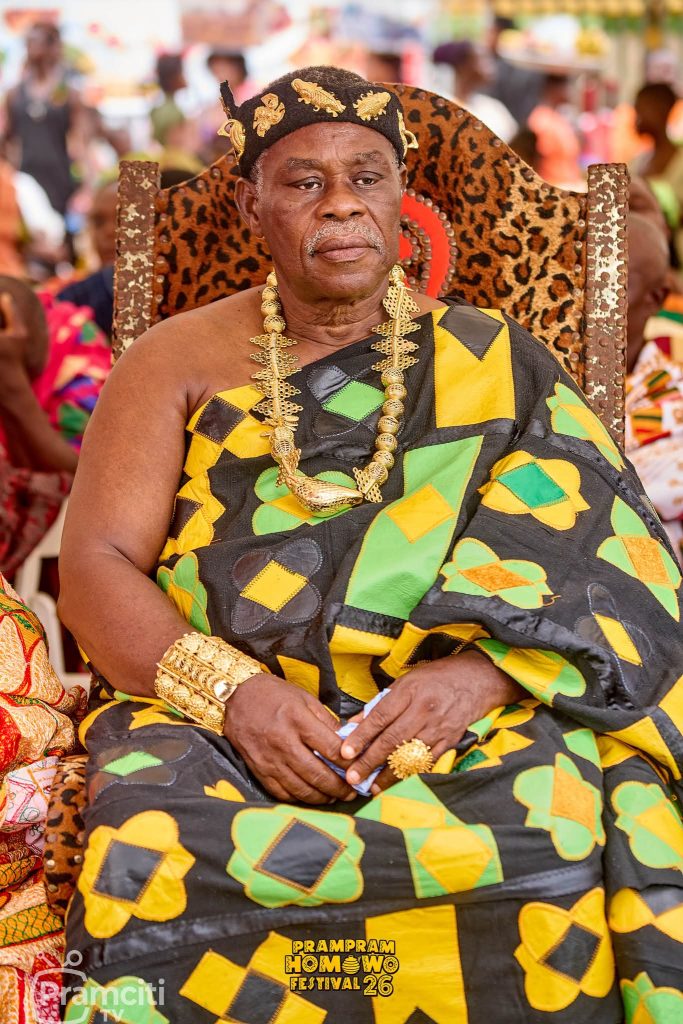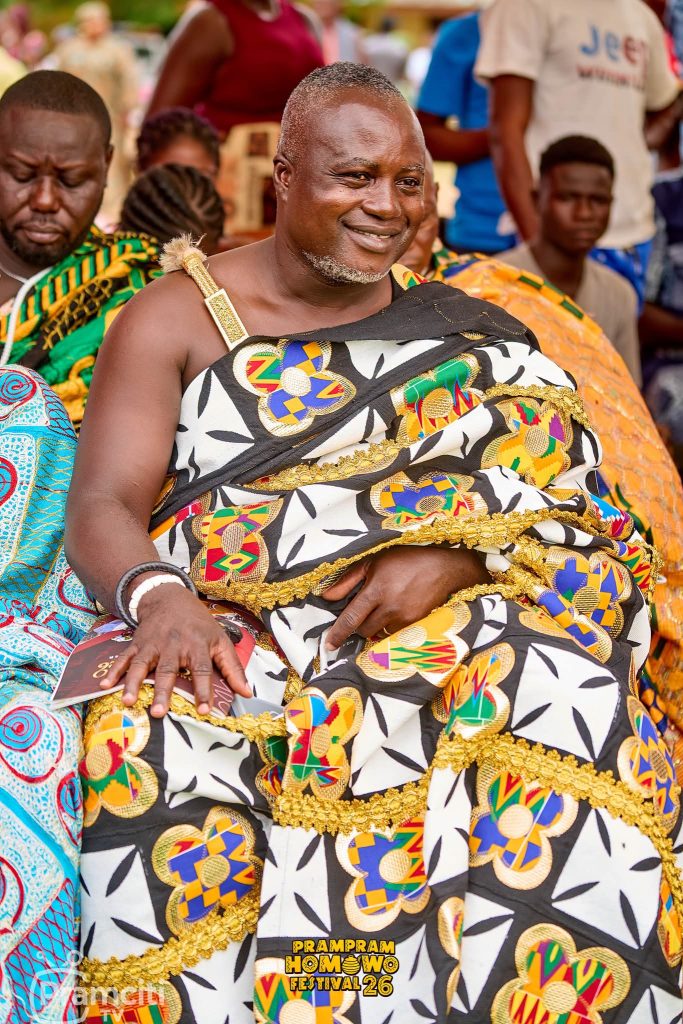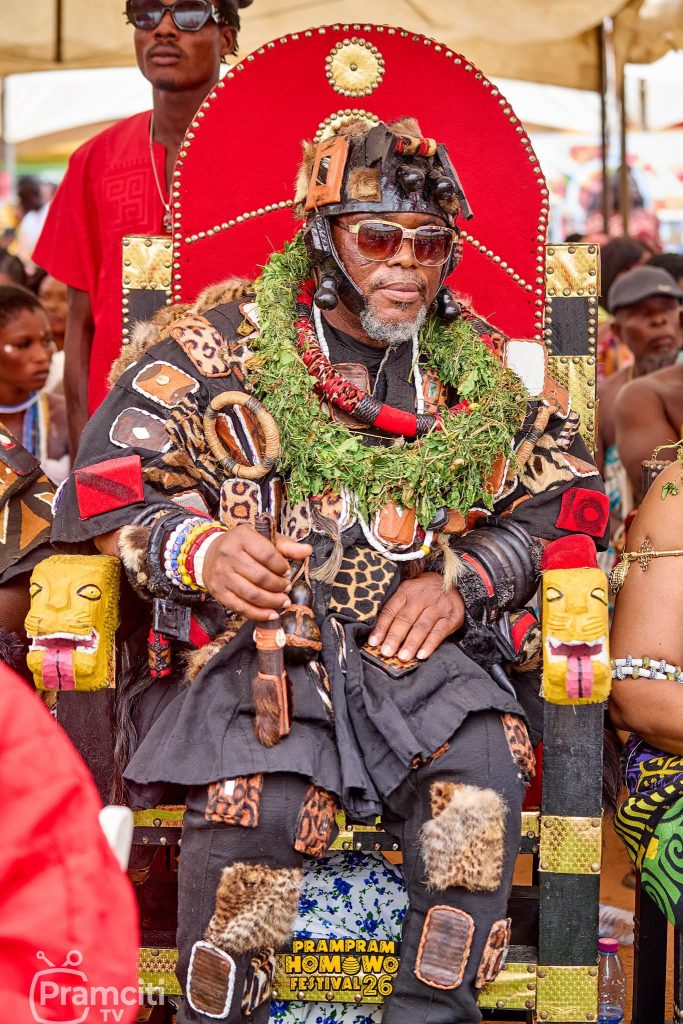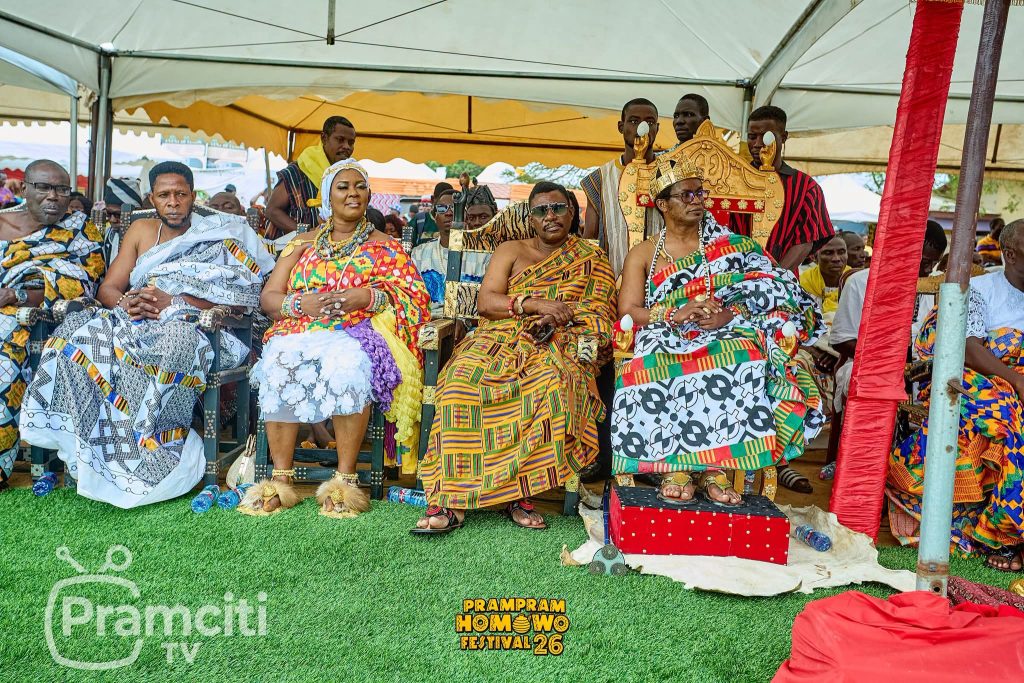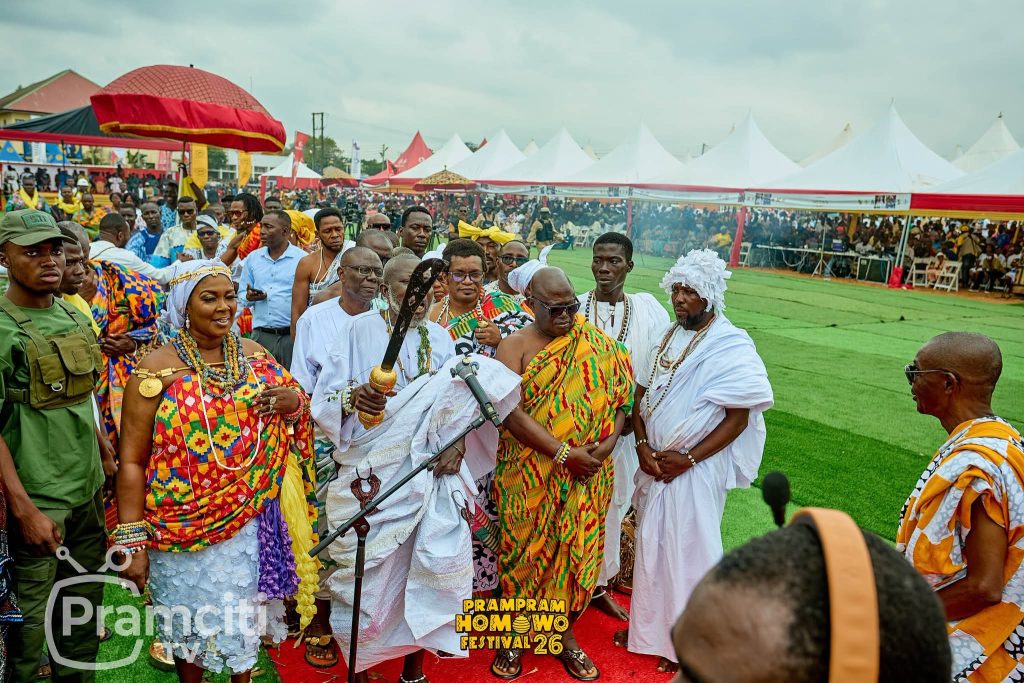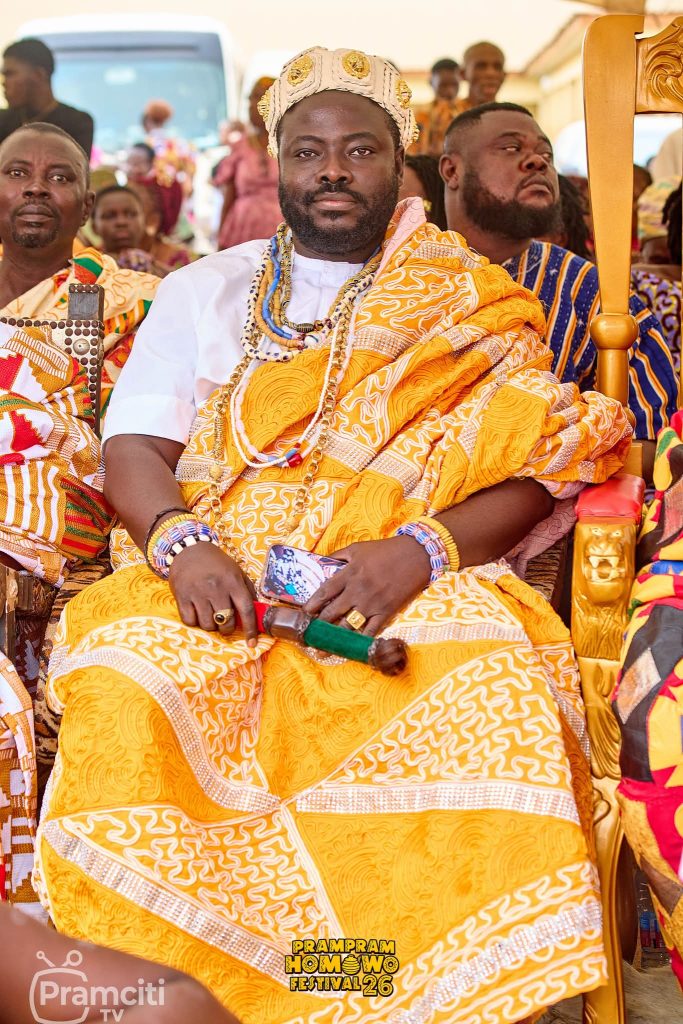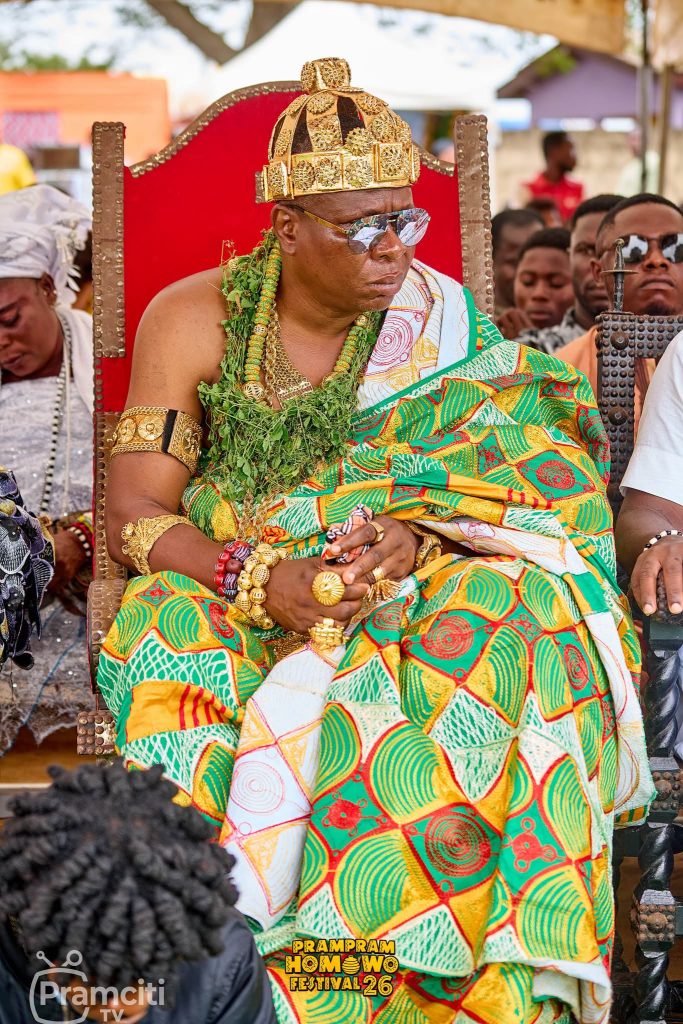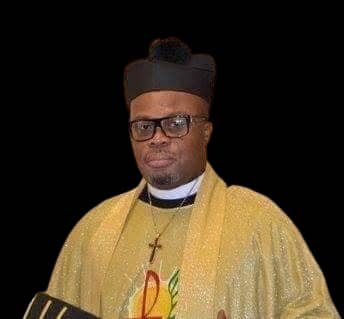
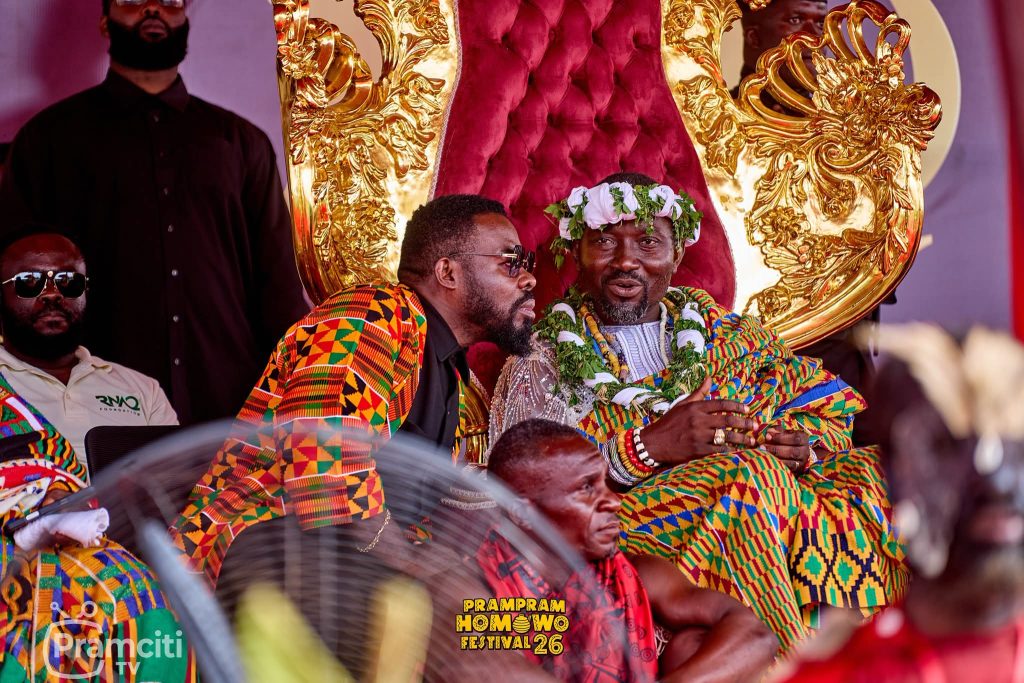
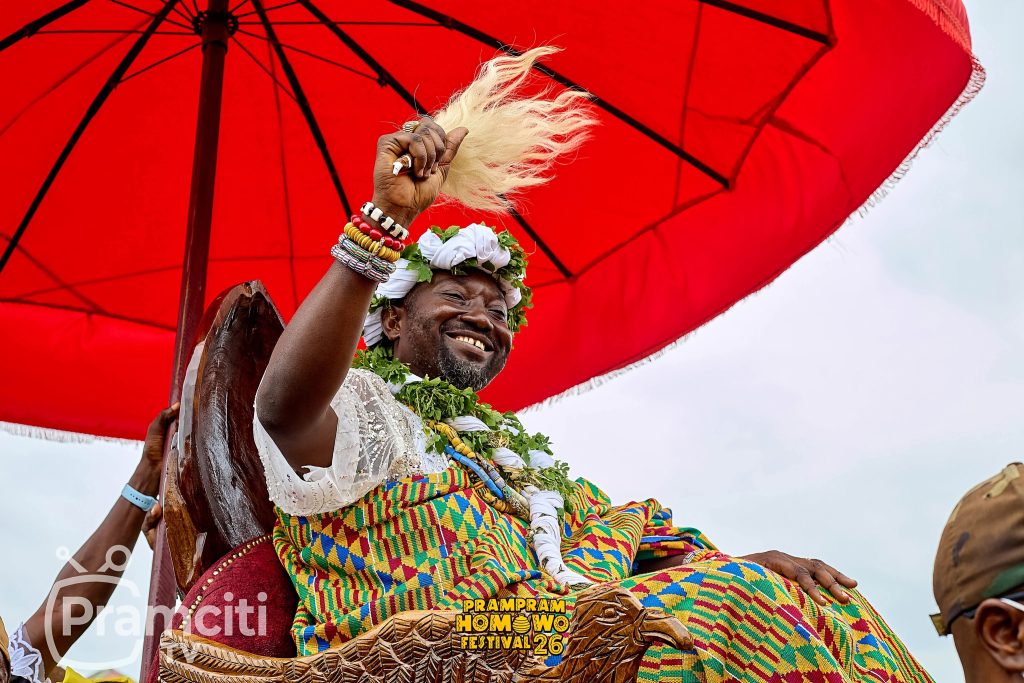
Nene Tetteh Wakah III, Paramount Chief Of Prampram Kotoko and Chairman Richard Duke Nii Armah Quaye RAQ
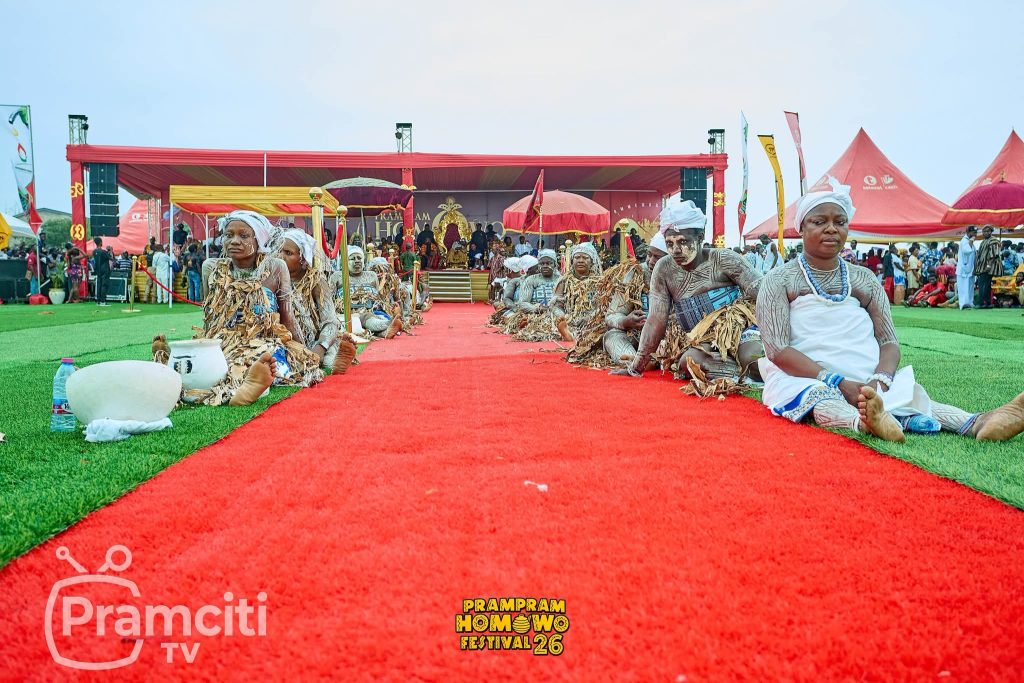
The 2026 Prampram Kotoko Homowo was not merely a celebration, it was a sensory immersion into the soul of Ga-Dangme culture. From the outset of the traditional procession, Prampram transformed into a living canvas of royalty, spirituality, and communal pride, where every sight, sound, and emotion etched itself into memory.
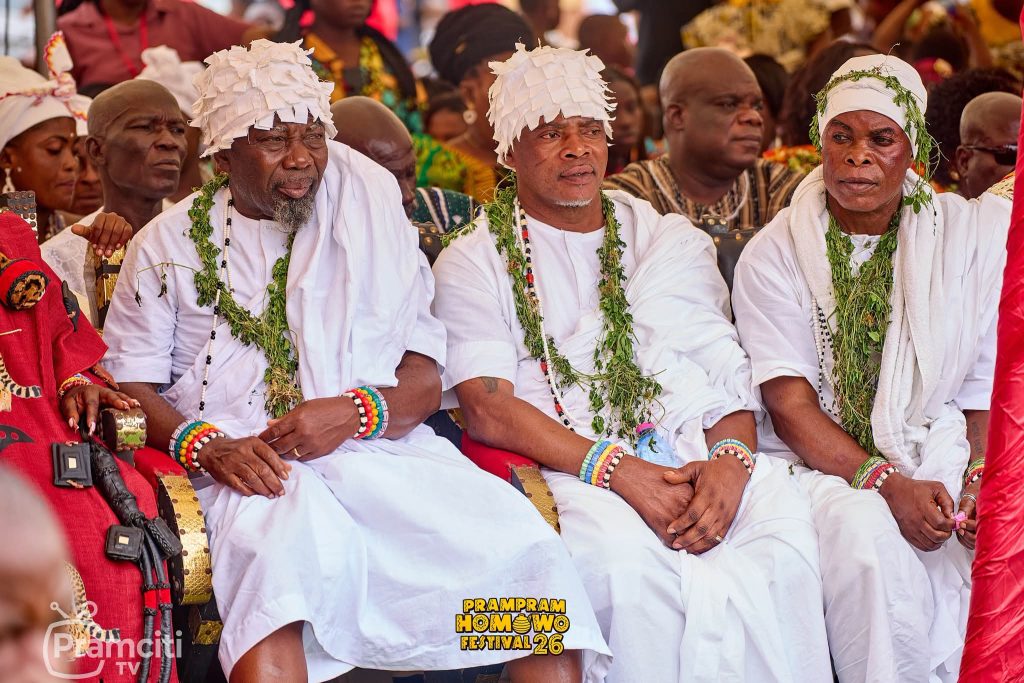
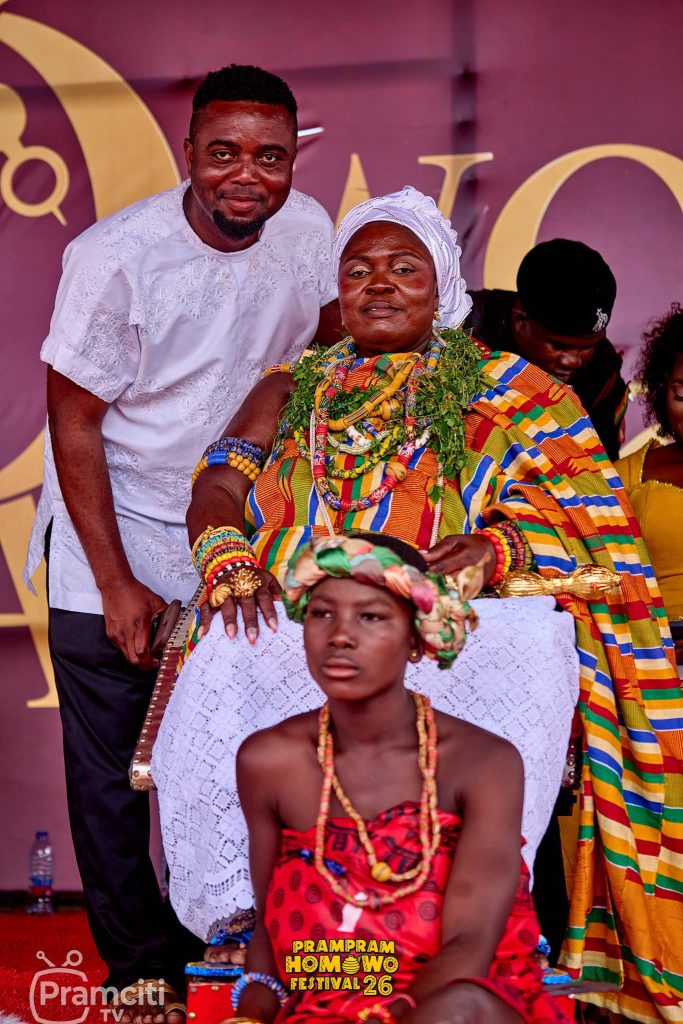
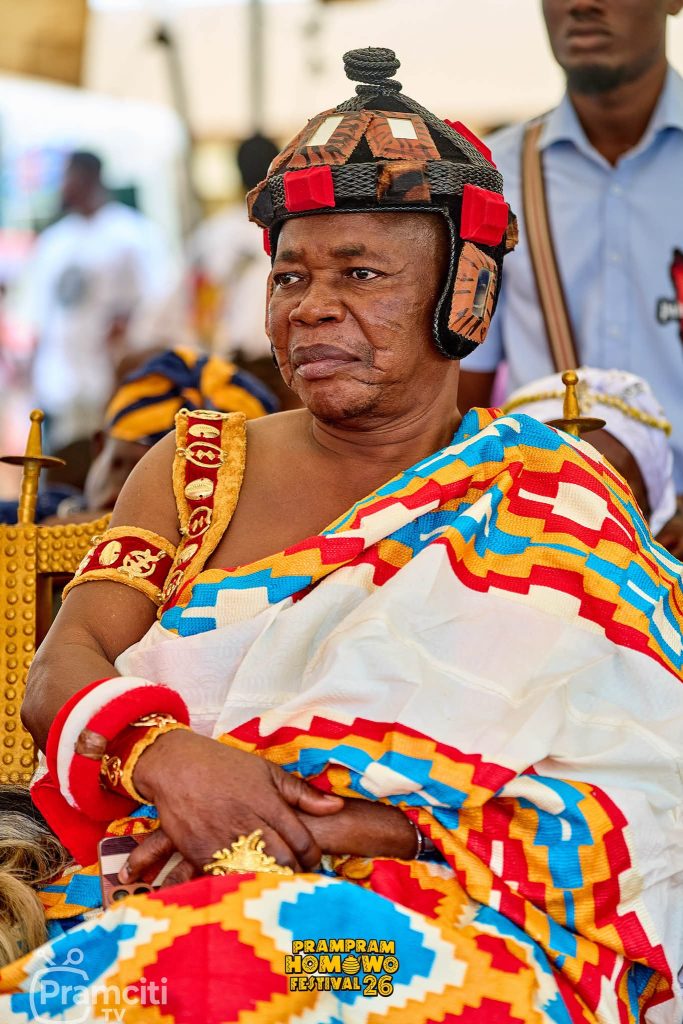
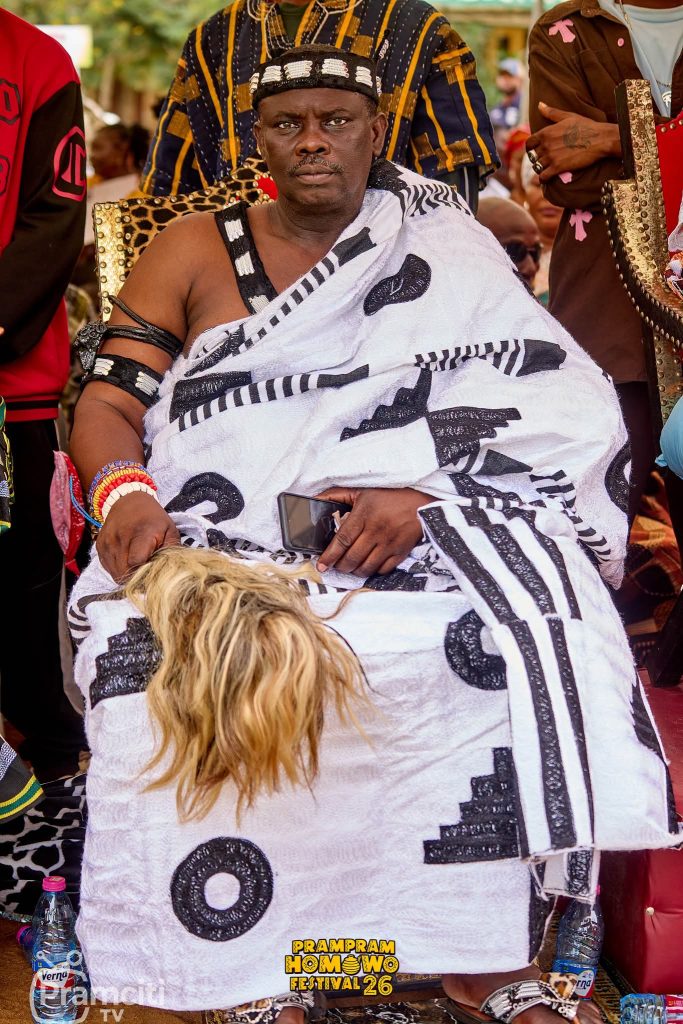
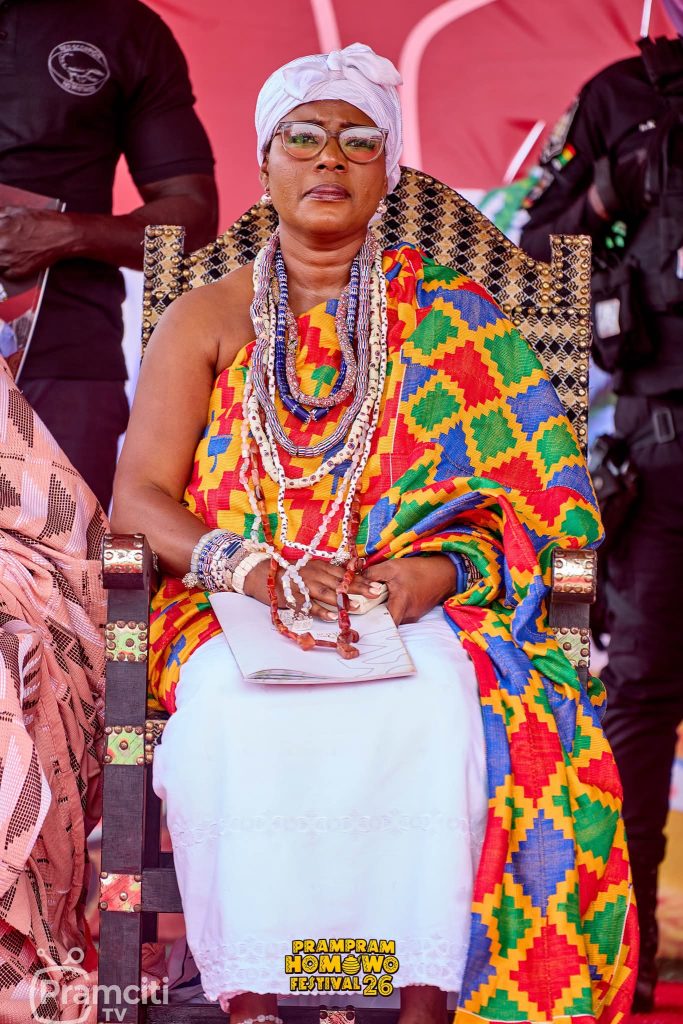
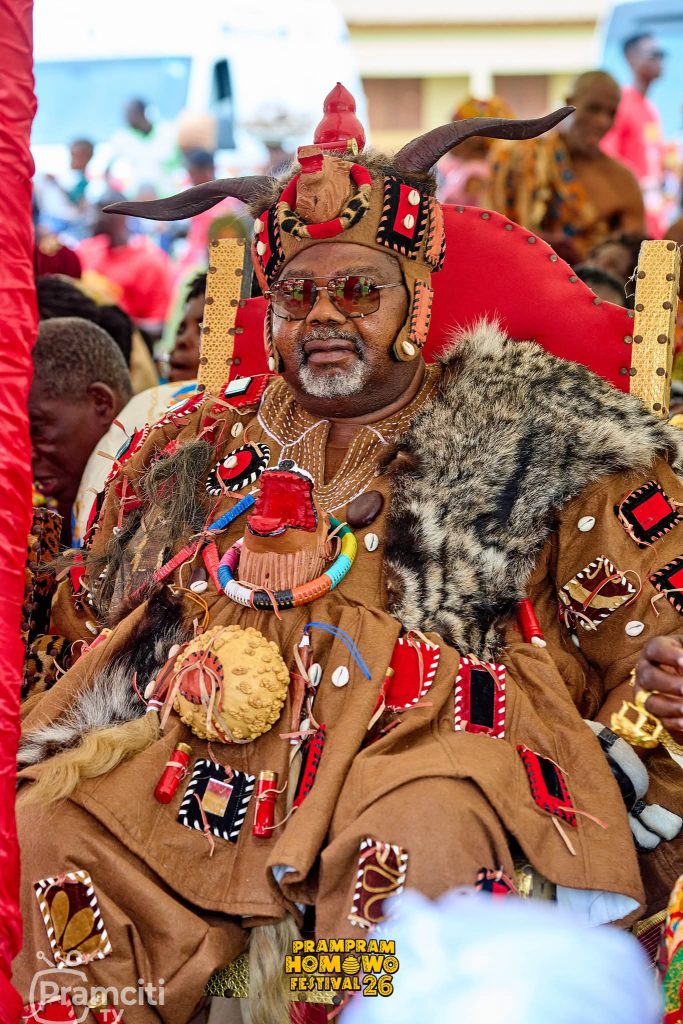
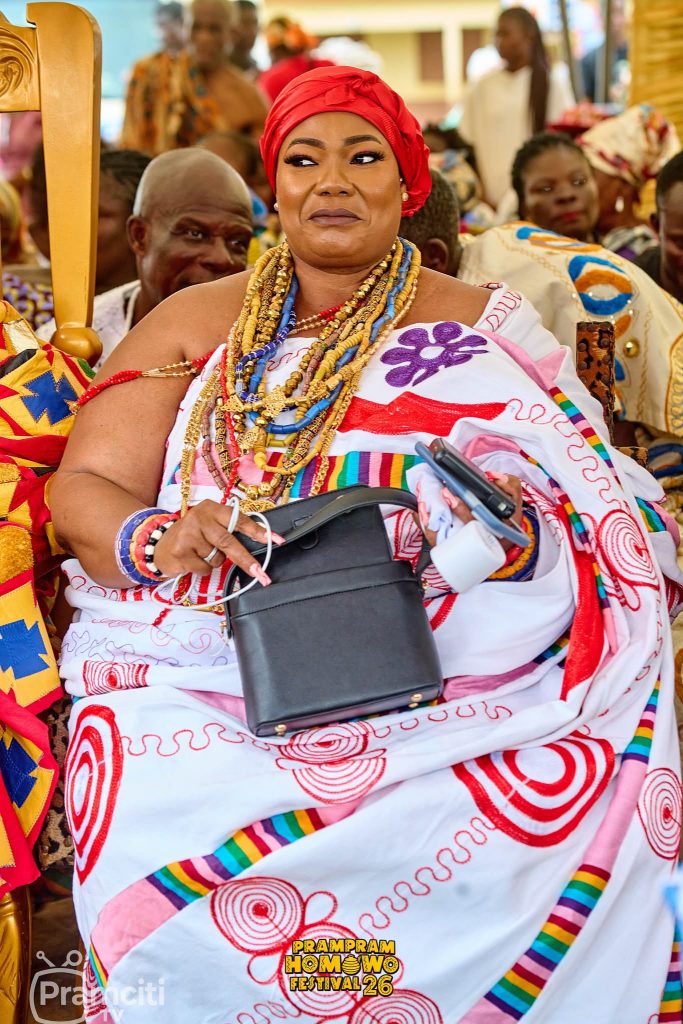
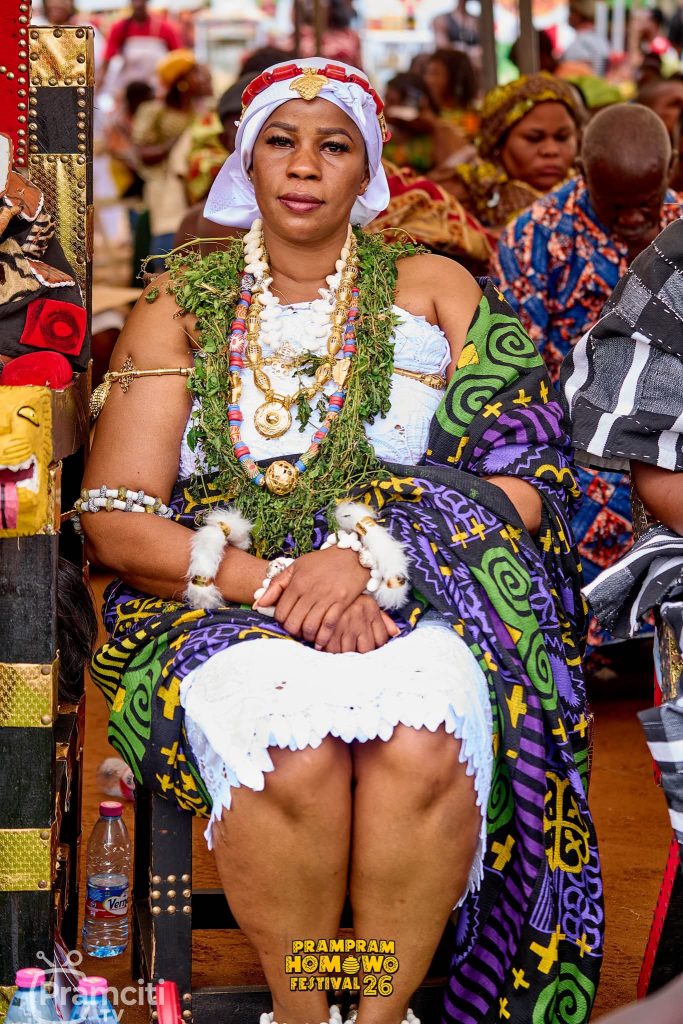
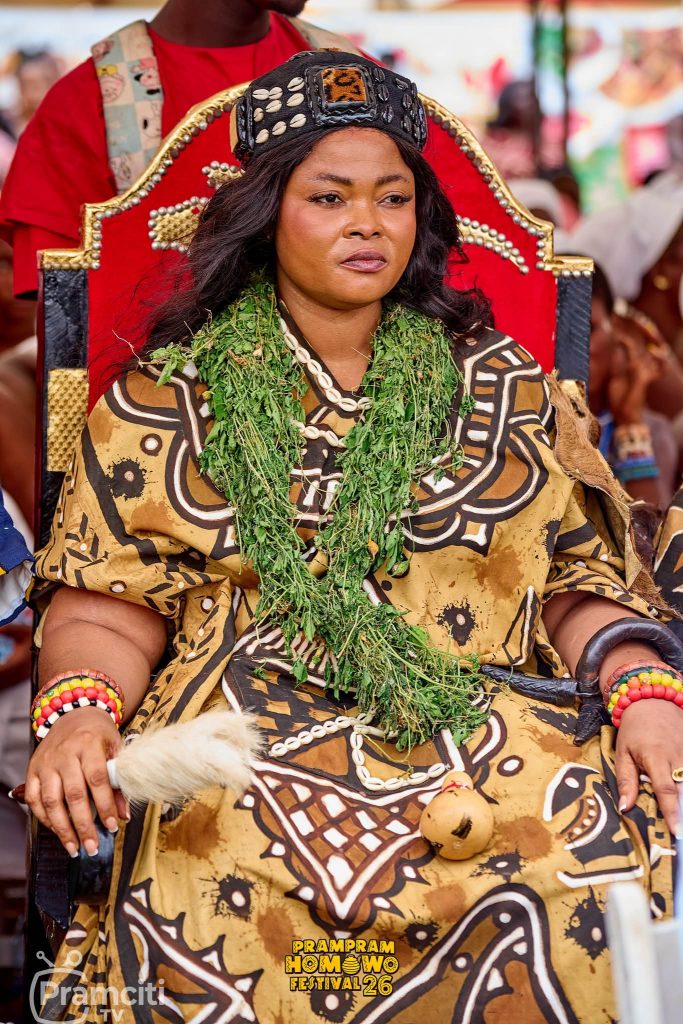
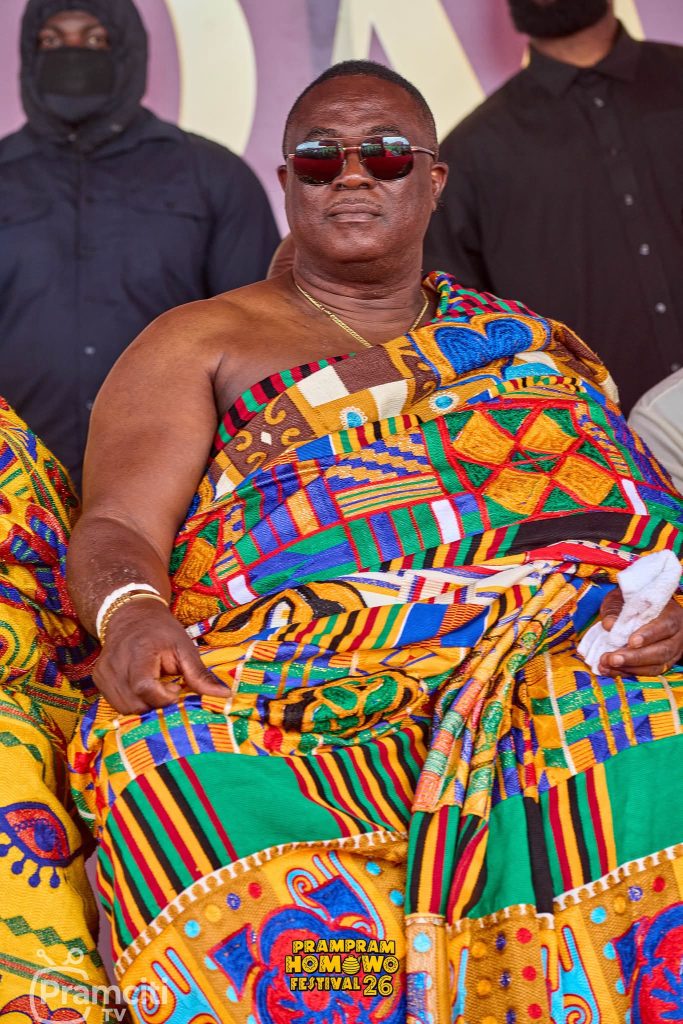
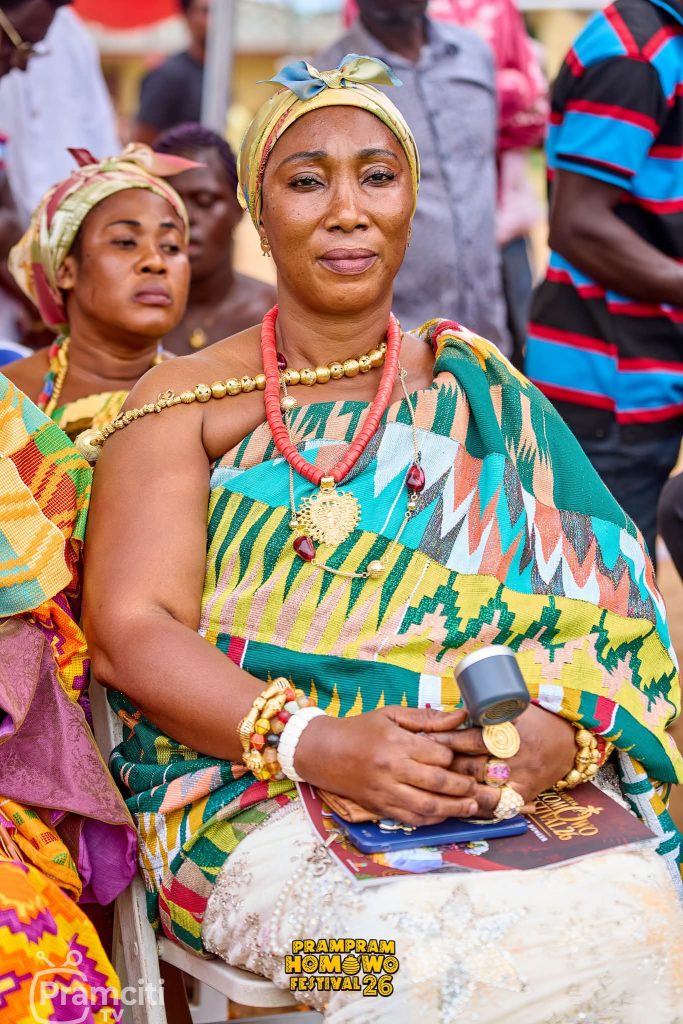
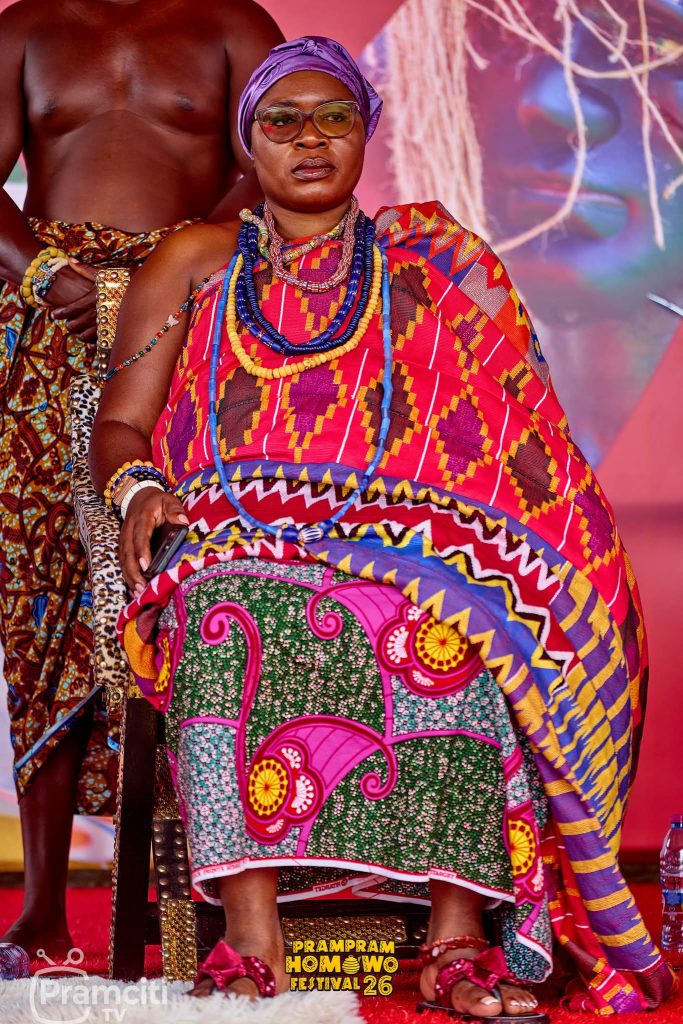
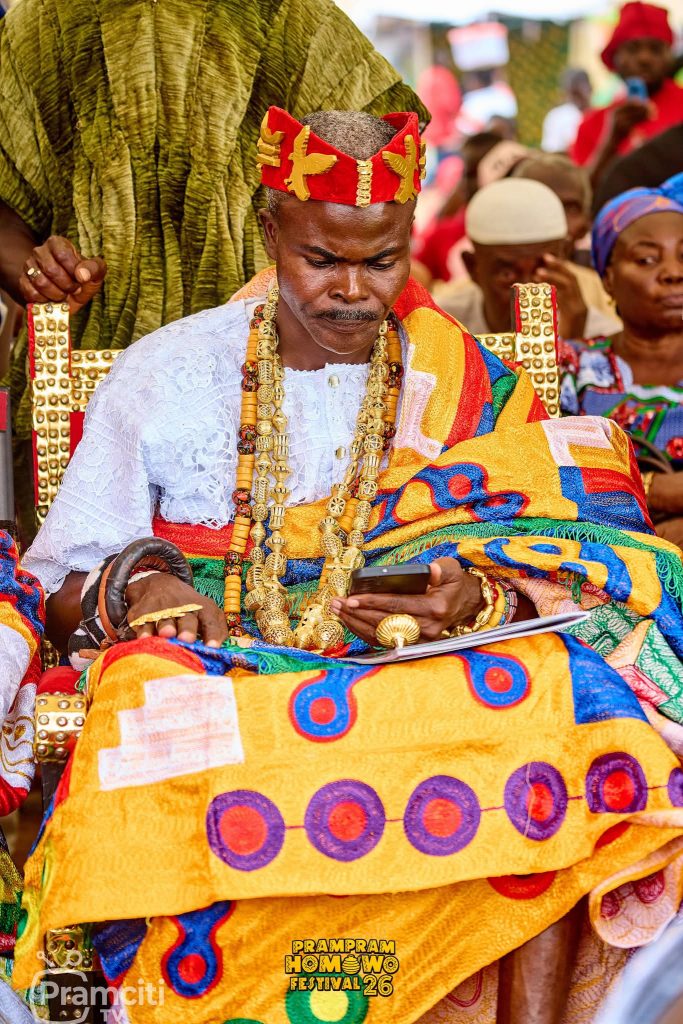
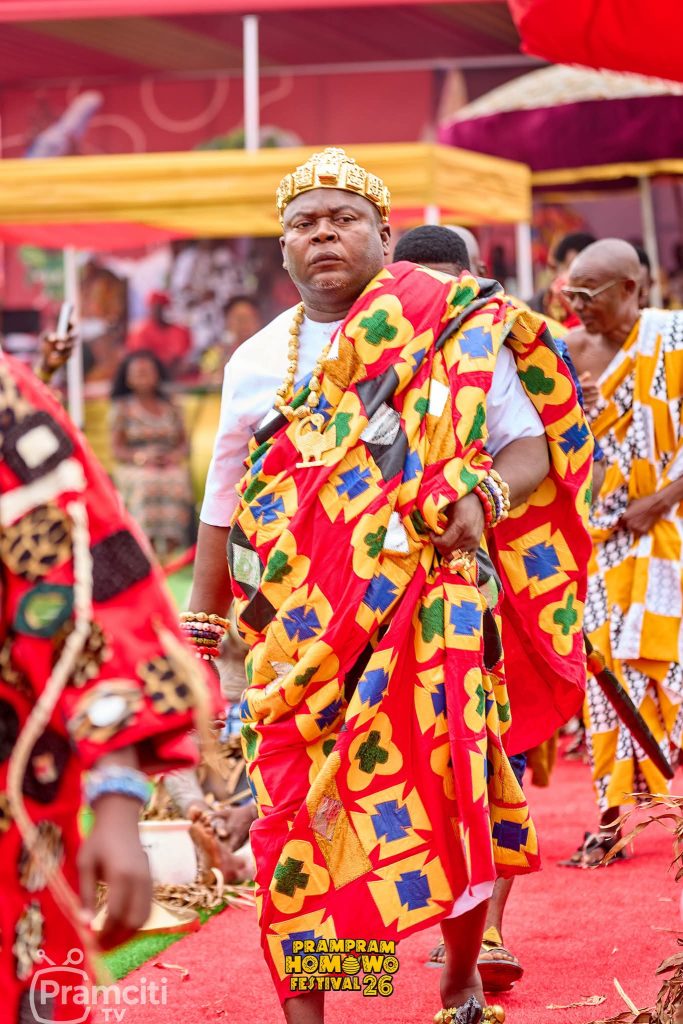
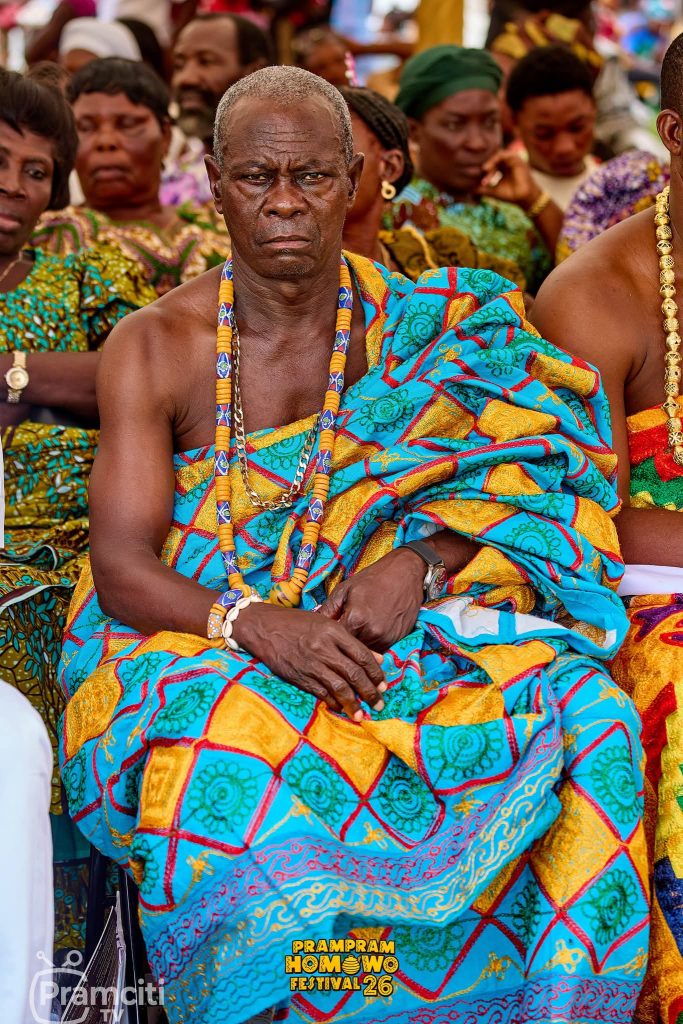
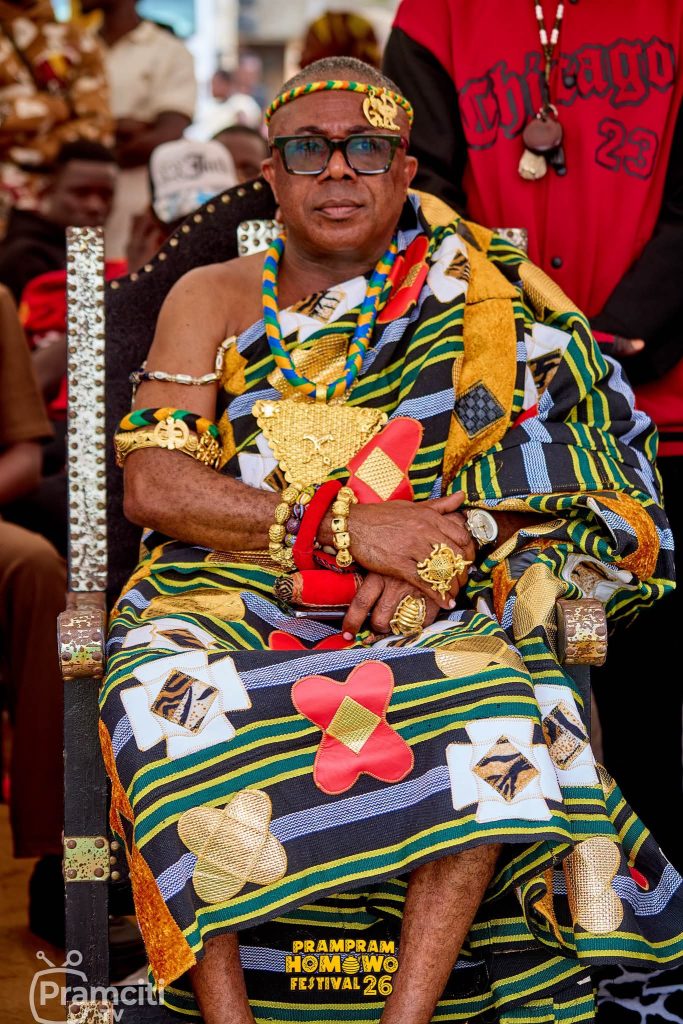
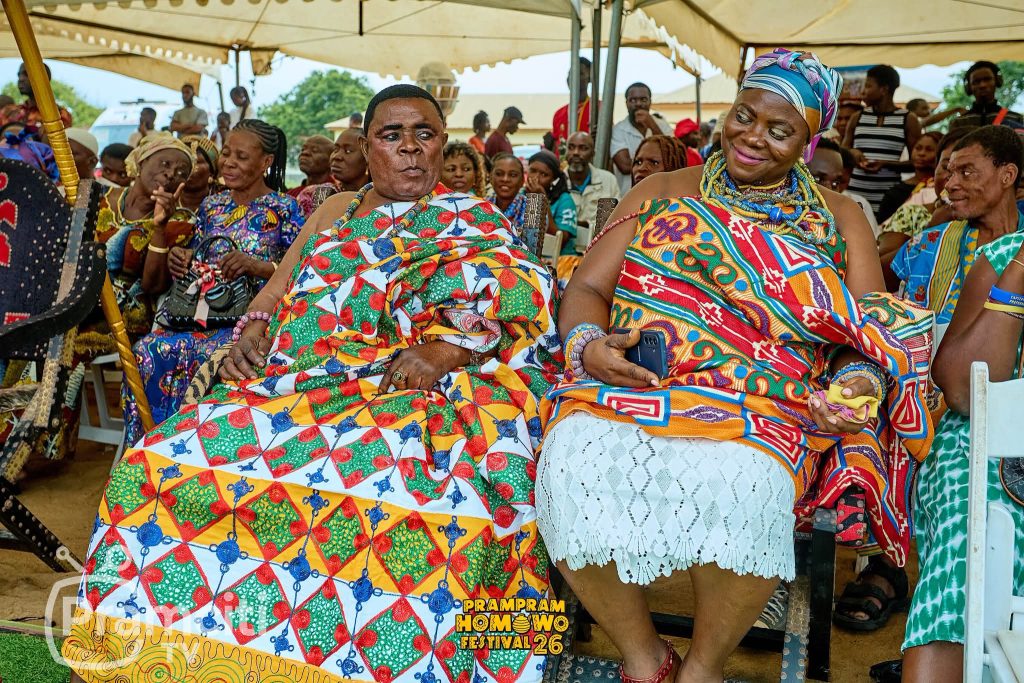
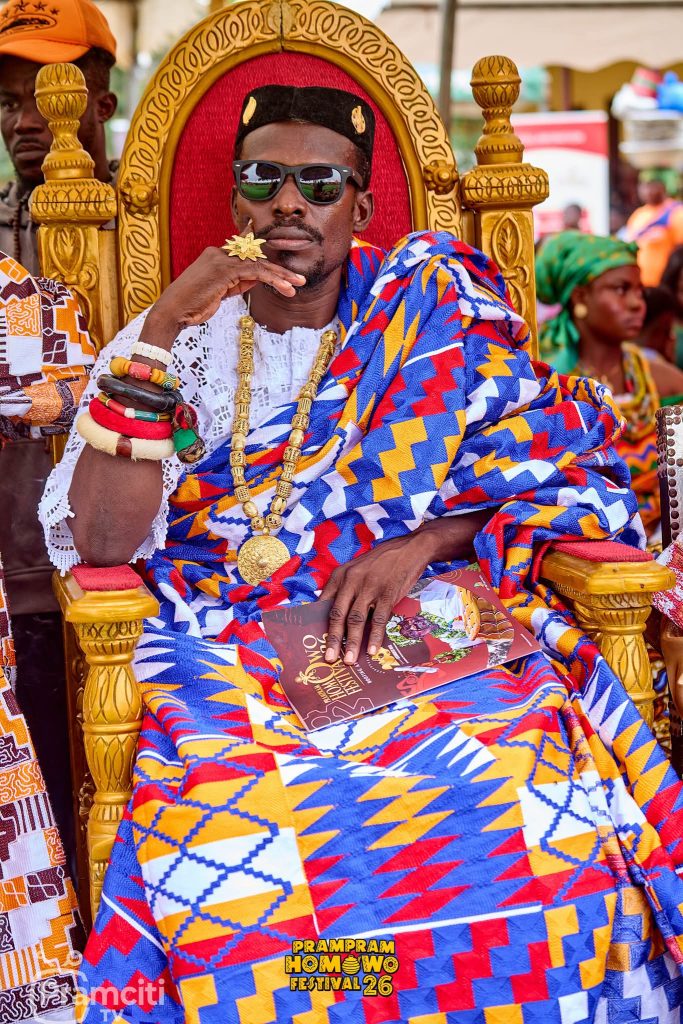
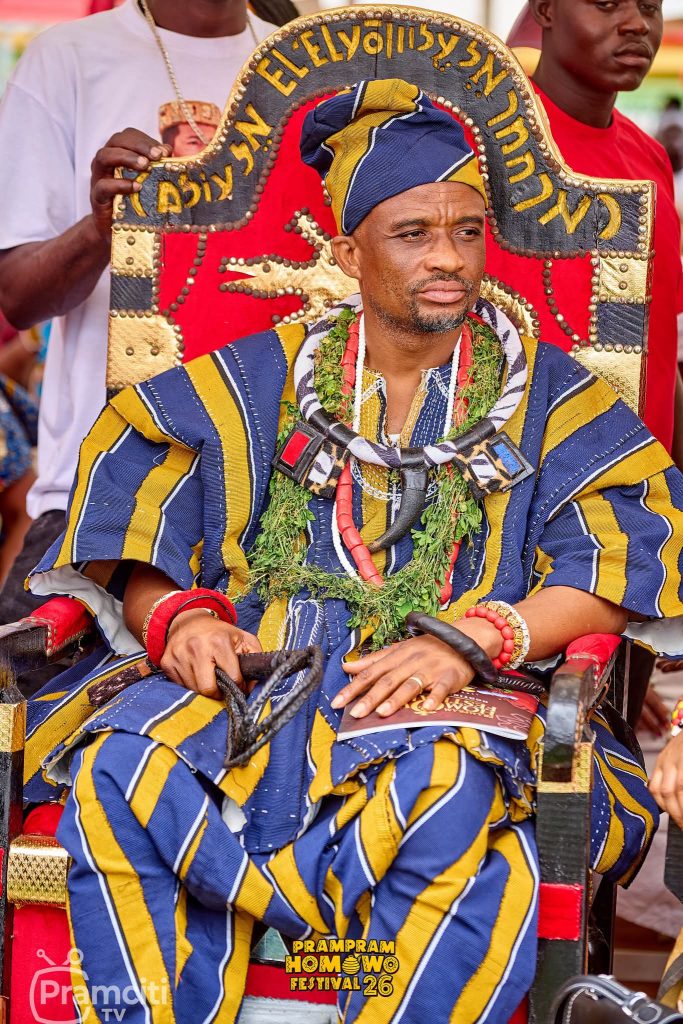
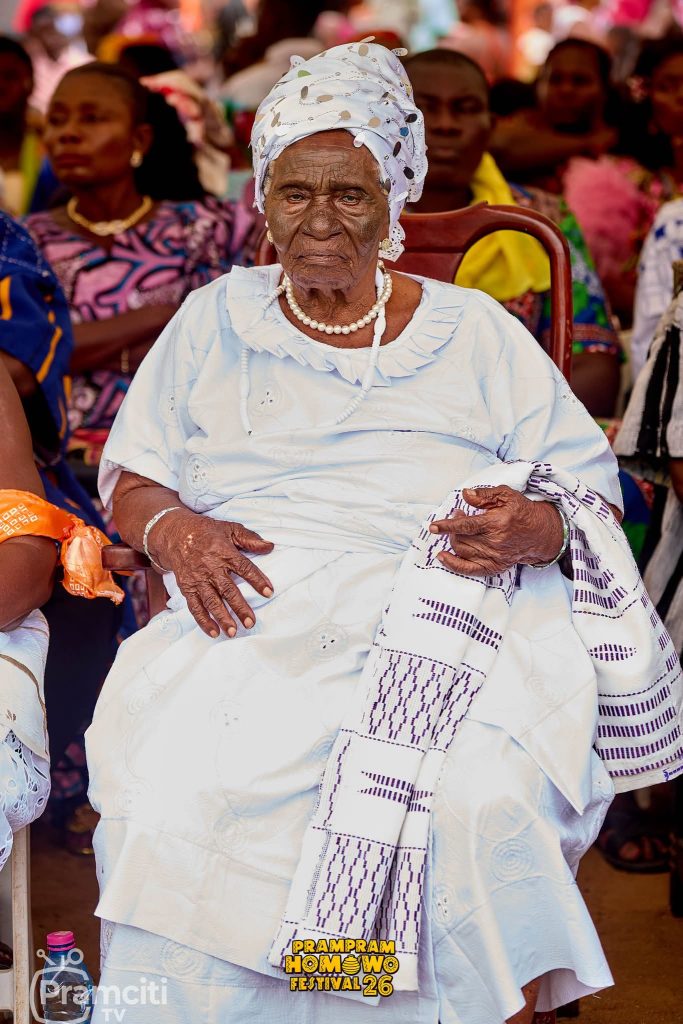
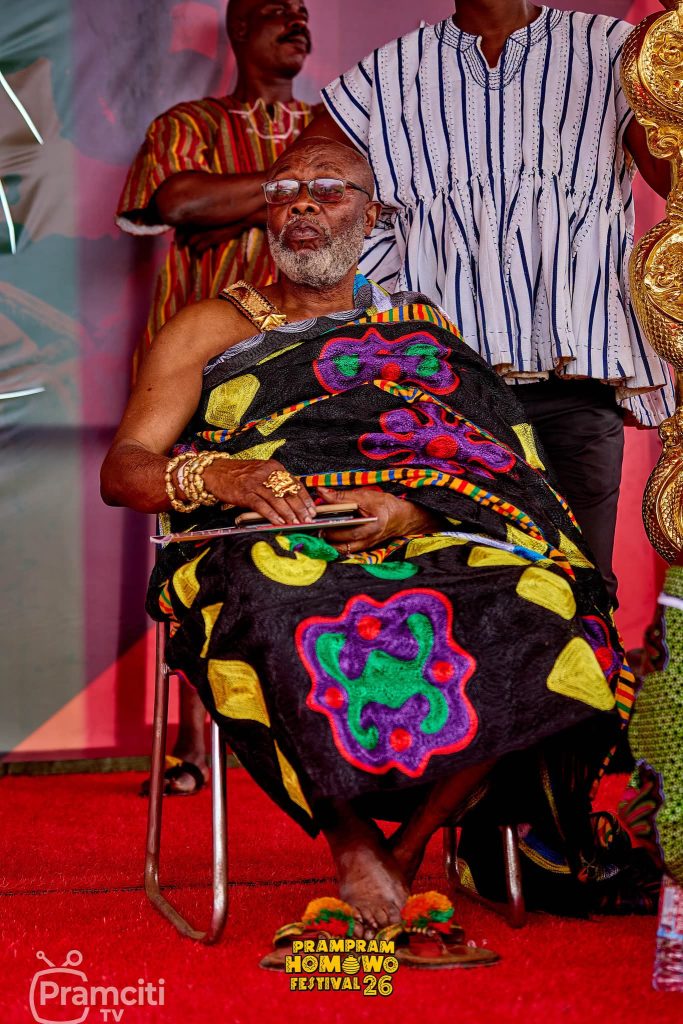
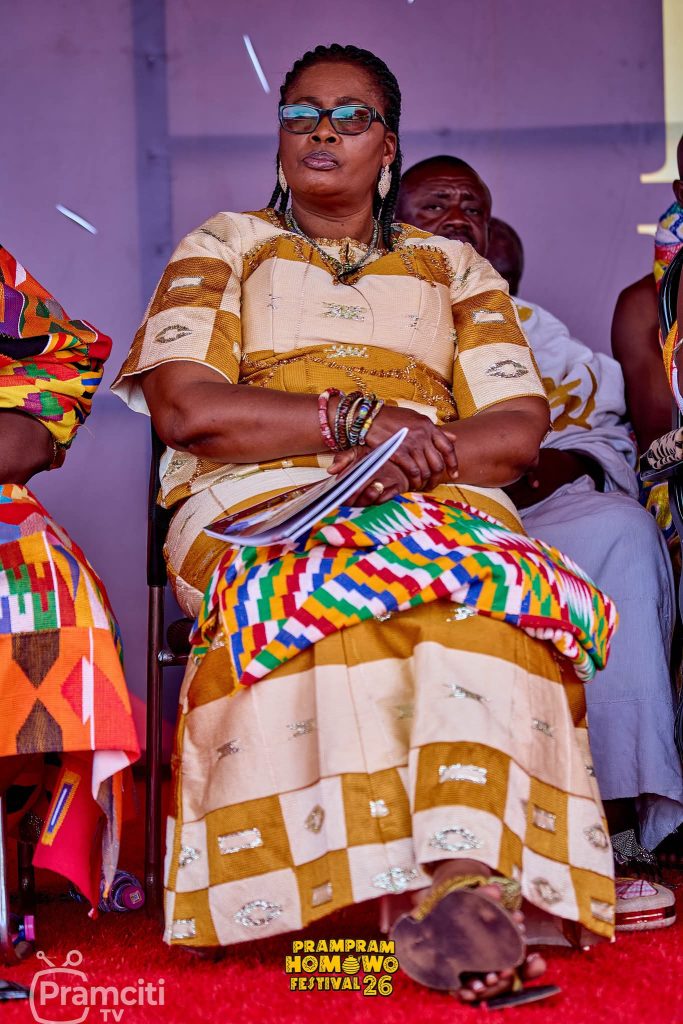
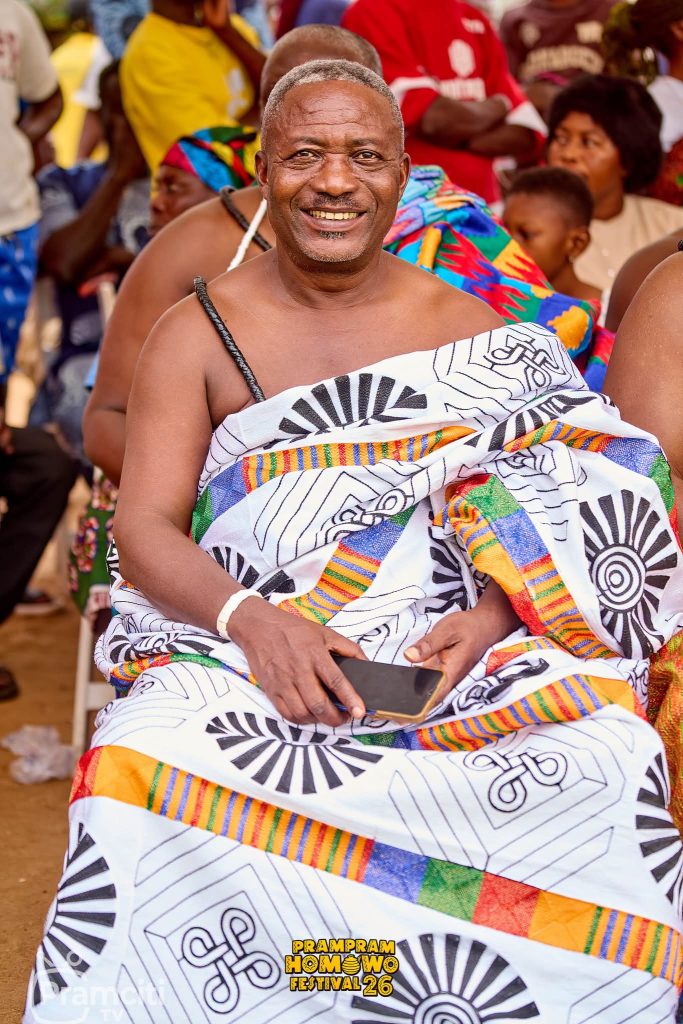
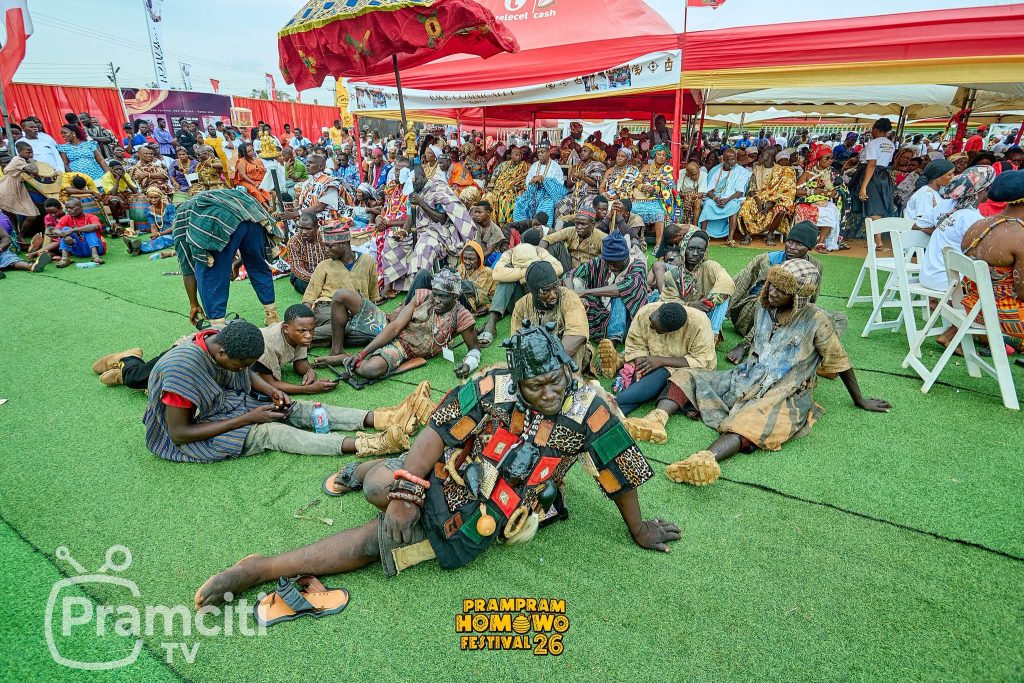
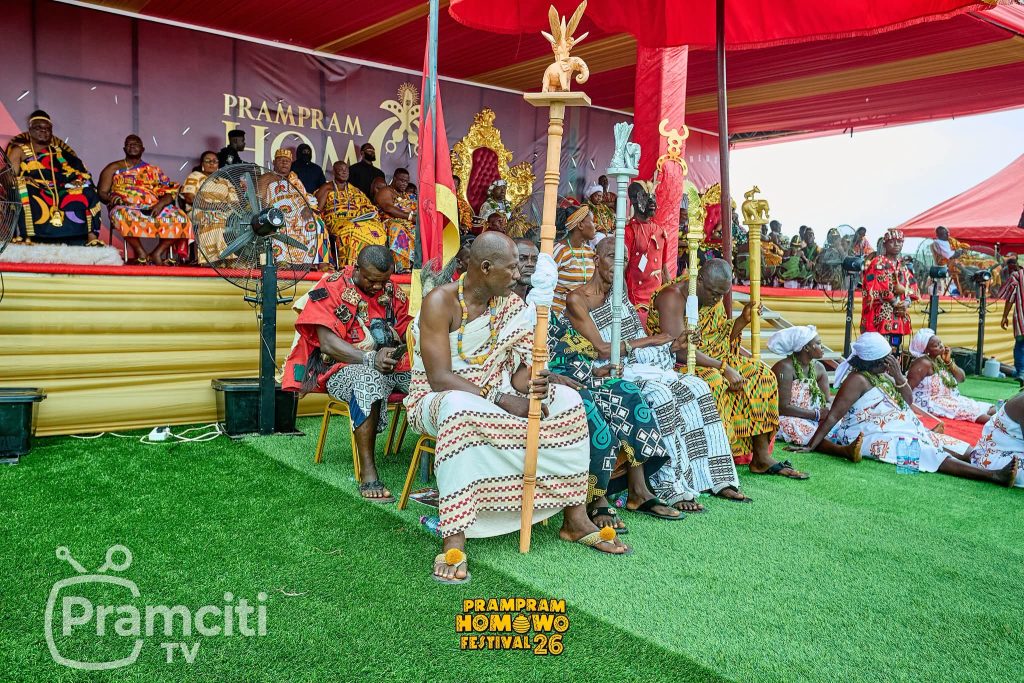
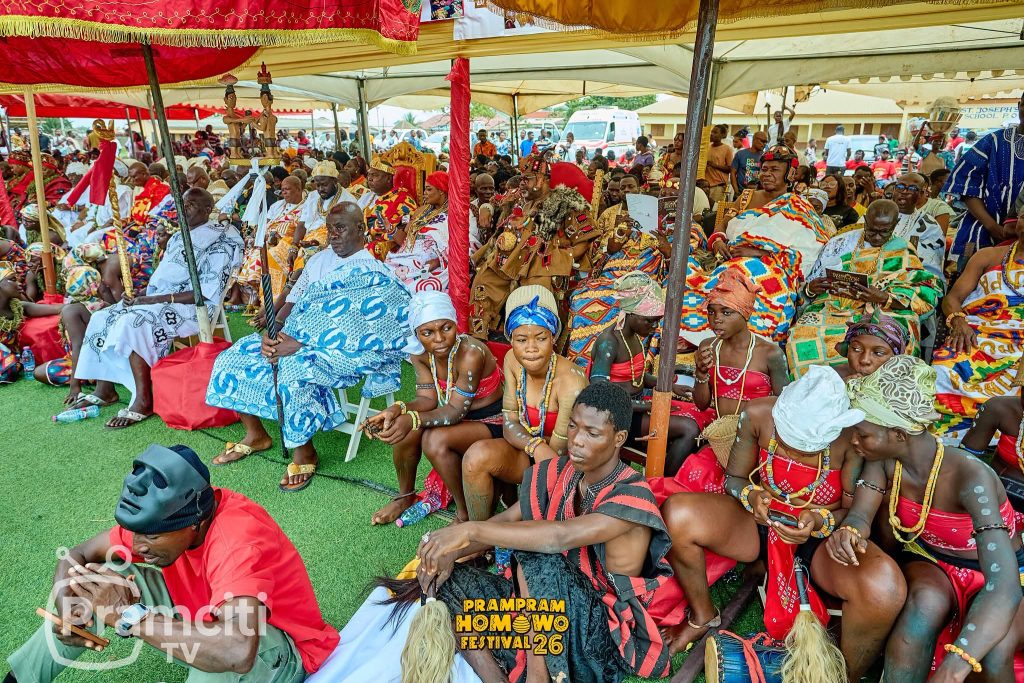
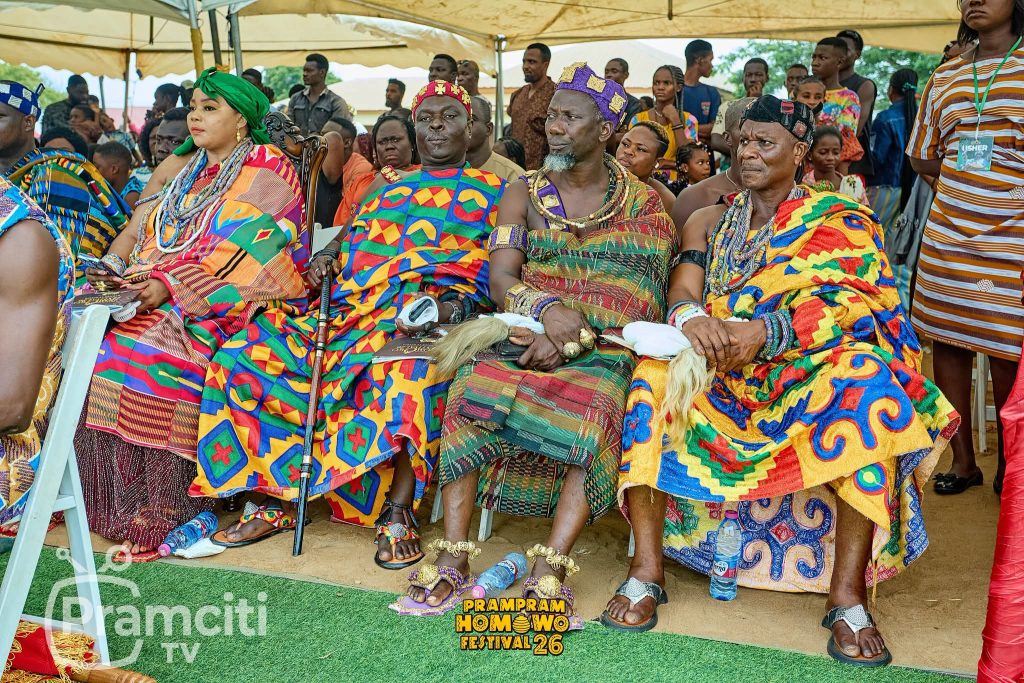
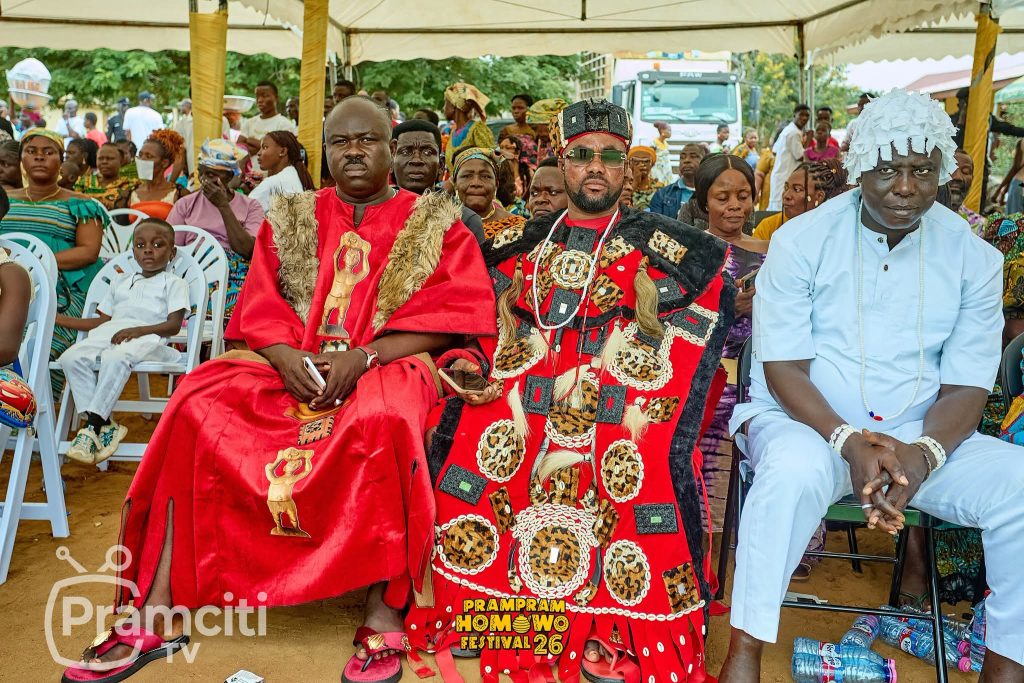
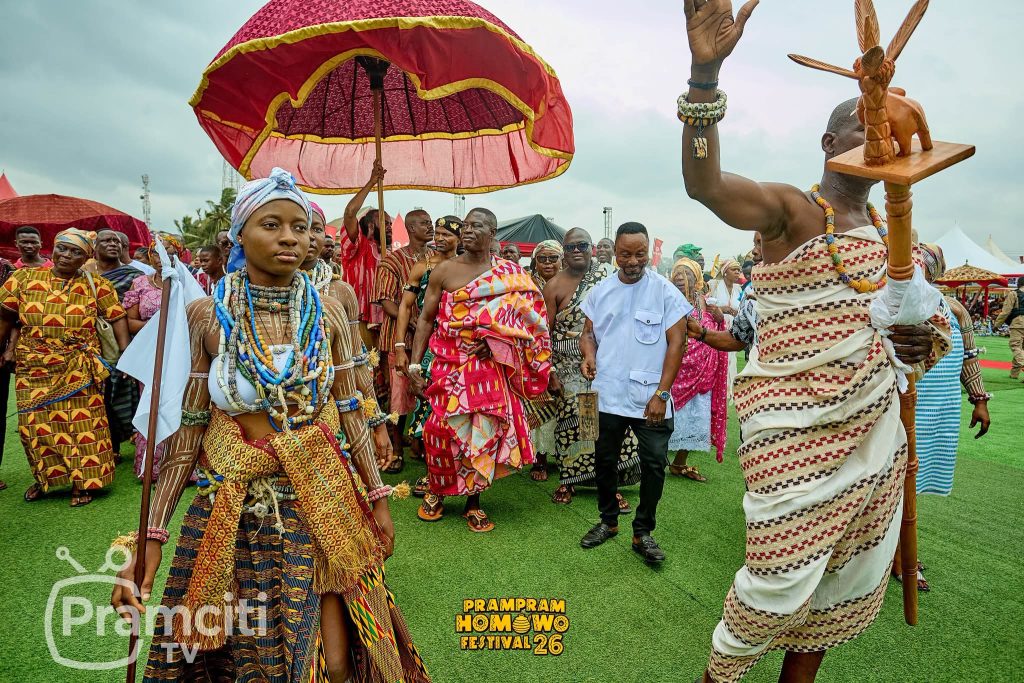
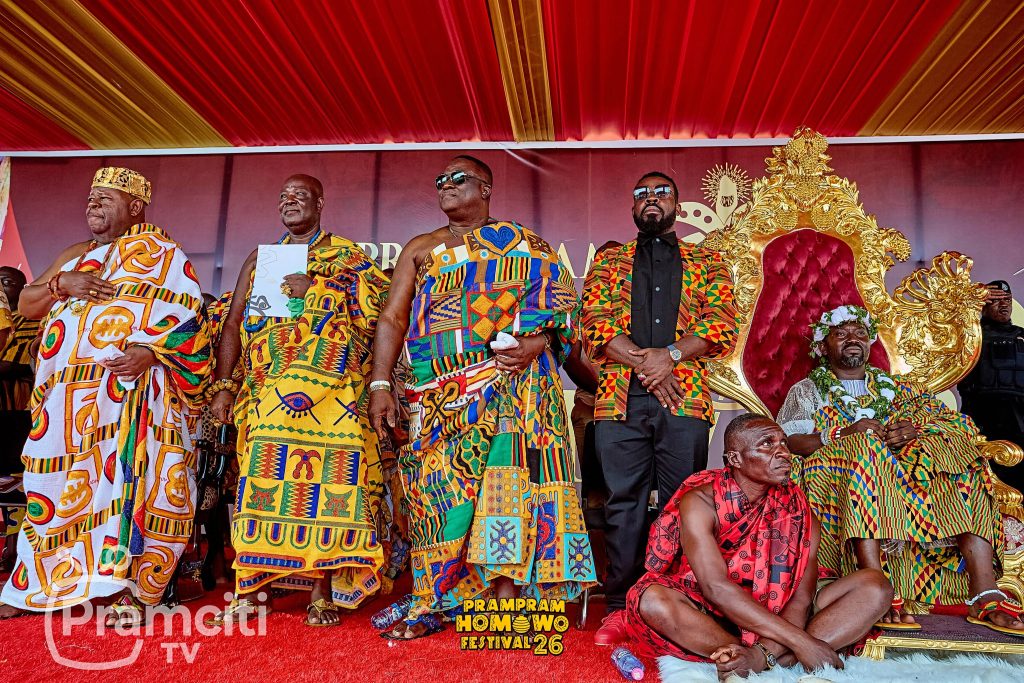
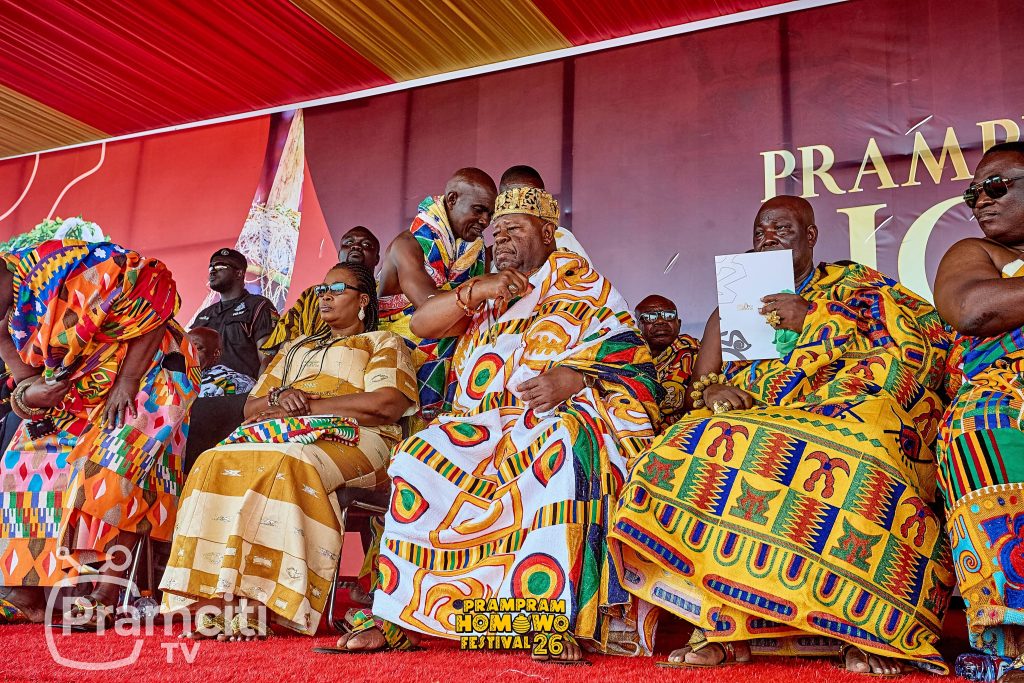
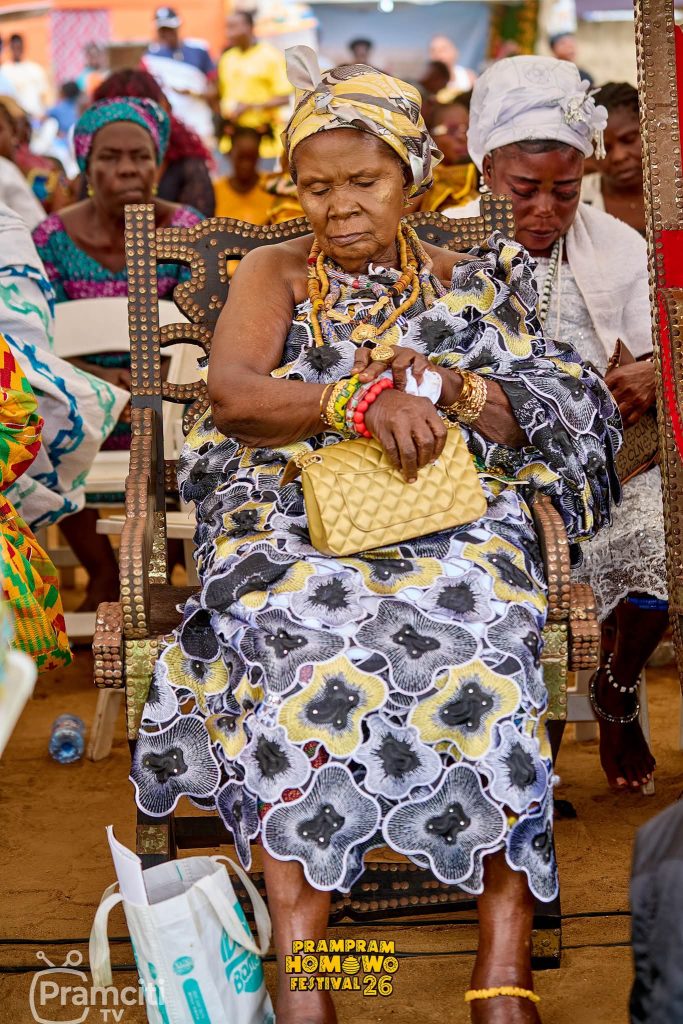
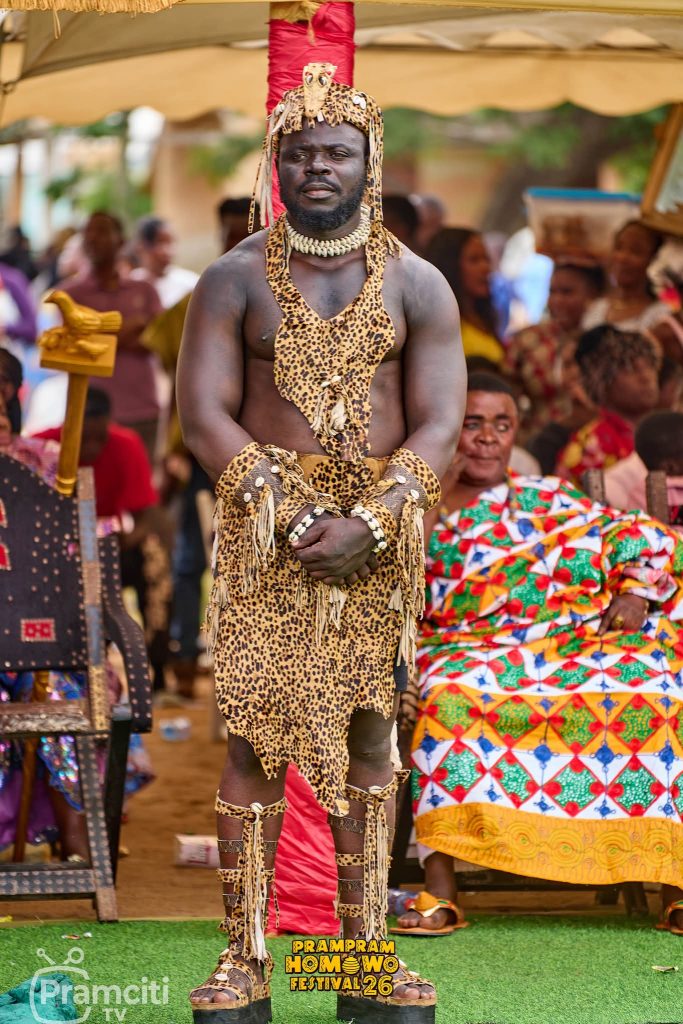
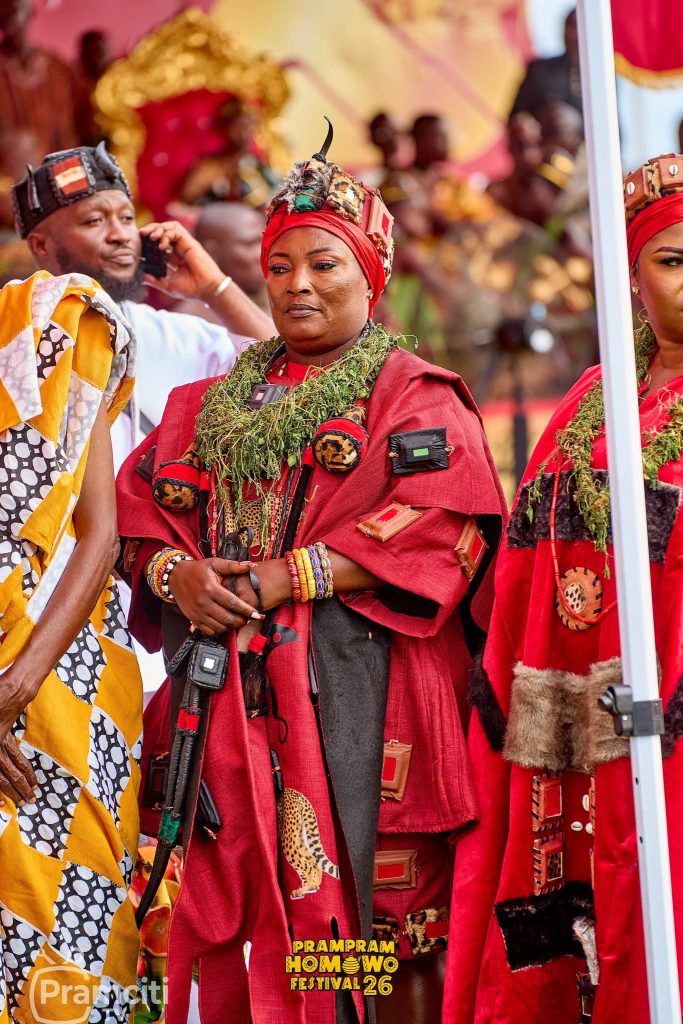
The streets became corridors of cultural splendour as chiefs, queenmothers, elders, and community members converged from across the region. Resplendent crowns, royal ornaments, and traditional regalia elevated the occasion into a distinguished showcase of indigenous majesty. Every chief embodied not merely authority but living history, each royal cloth whispered tales of lineage stretching back generations, each ornament spoke to the dignity and enduring continuity of the people.
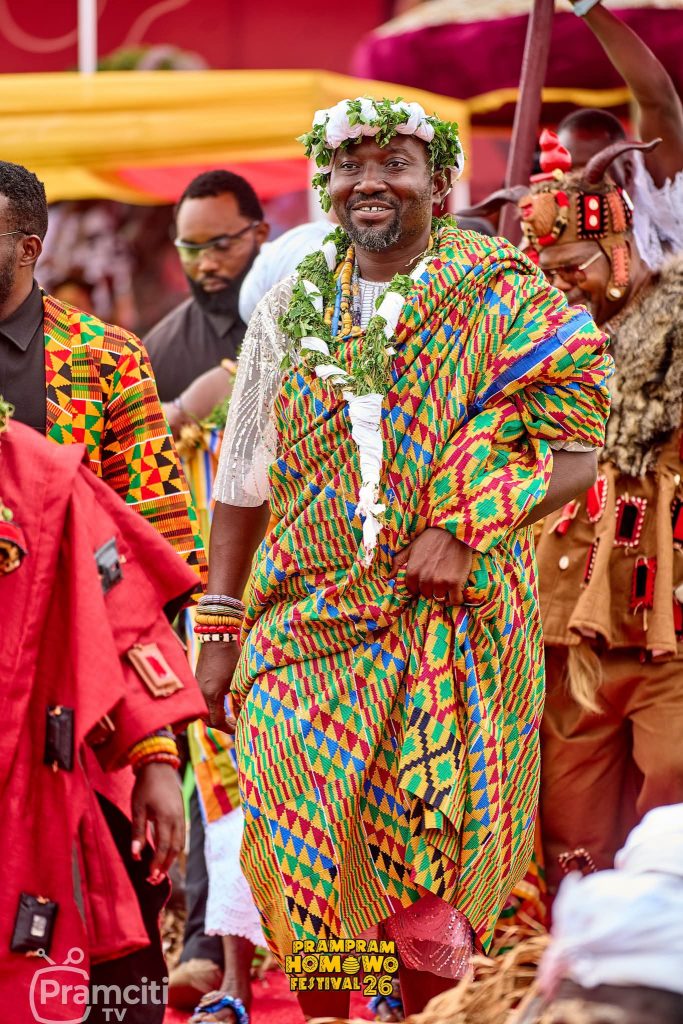
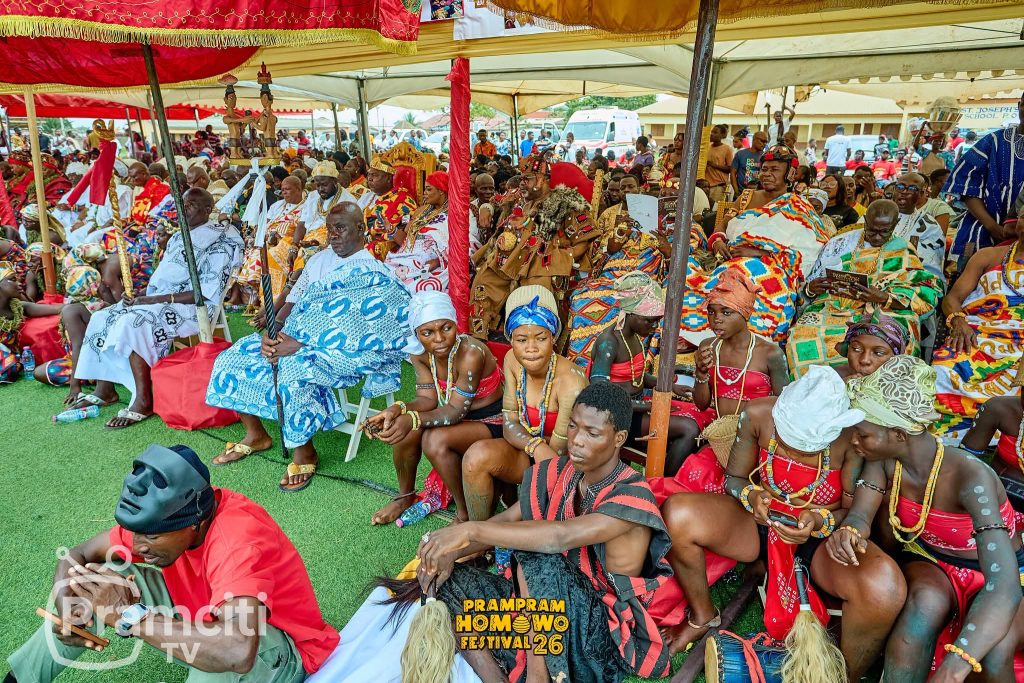
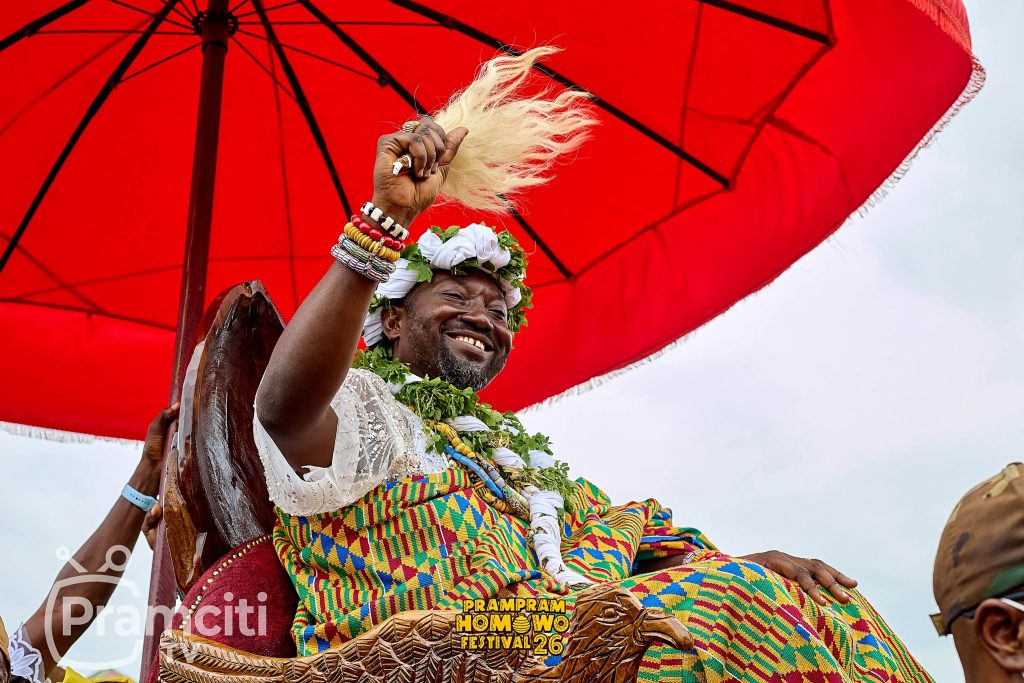
The grand procession of chiefs transformed the festival into a royal court in motion. Adorned in exquisitely designed traditional cloths and magnificent crowns, beads, and gold ornaments, the chiefs presented a majestic spectacle that captured every imagination. Their movement was more than ceremonial, it was a powerful affirmation of traditional leadership as custodian of culture, history, and communal identity, a visible reminder that chieftaincy remains vibrantly relevant in contemporary Ghanaian society.
The royal regalia created a striking palette: gold that caught sunlight and seemed to glow from within, crimson speaking of power and sacrifice, blue evoking the vastness of the sky, emerald celebrating the fertility of the land, white symbolising purity. Each colour complemented the rhythmic pulse of drums, traditional melodies, and the jubilant voices of people who lined the route to catch a glimpse of their revered leaders.
Few elements captured the grandeur as powerfully as the palanquins carrying traditional leaders. Each crown possessed its own character, some tall and imposing, others intricately decorated with gold and precious stones, each representing not merely an individual chief but an entire lineage of leadership. The craftsmanship on the palanquins displayed the extraordinary skills of Ghanaian artisans who had preserved traditional techniques across centuries.
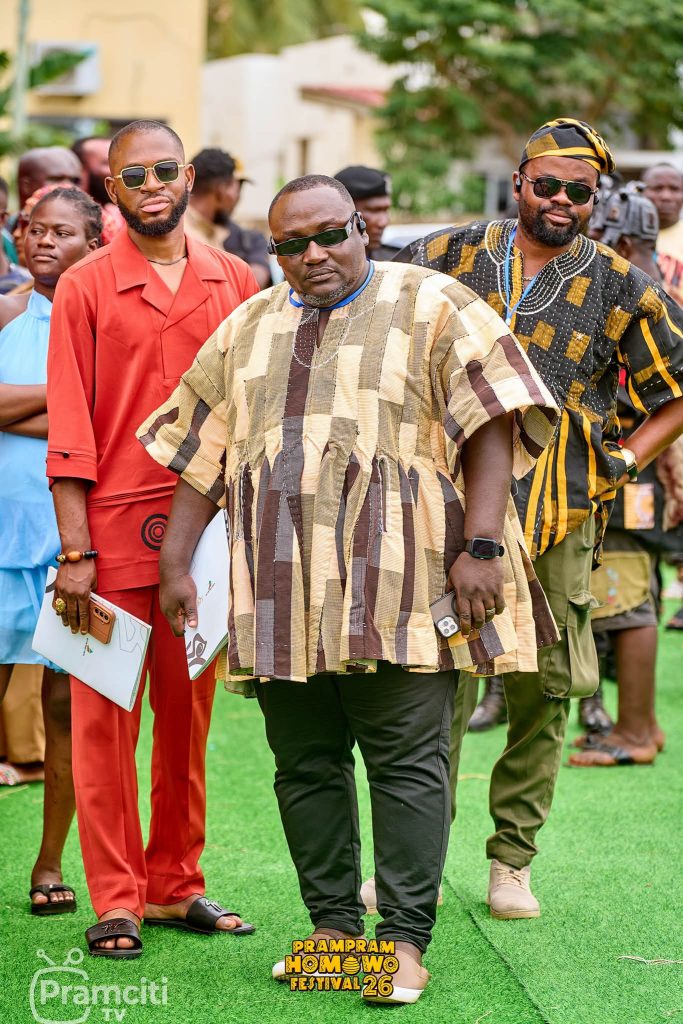
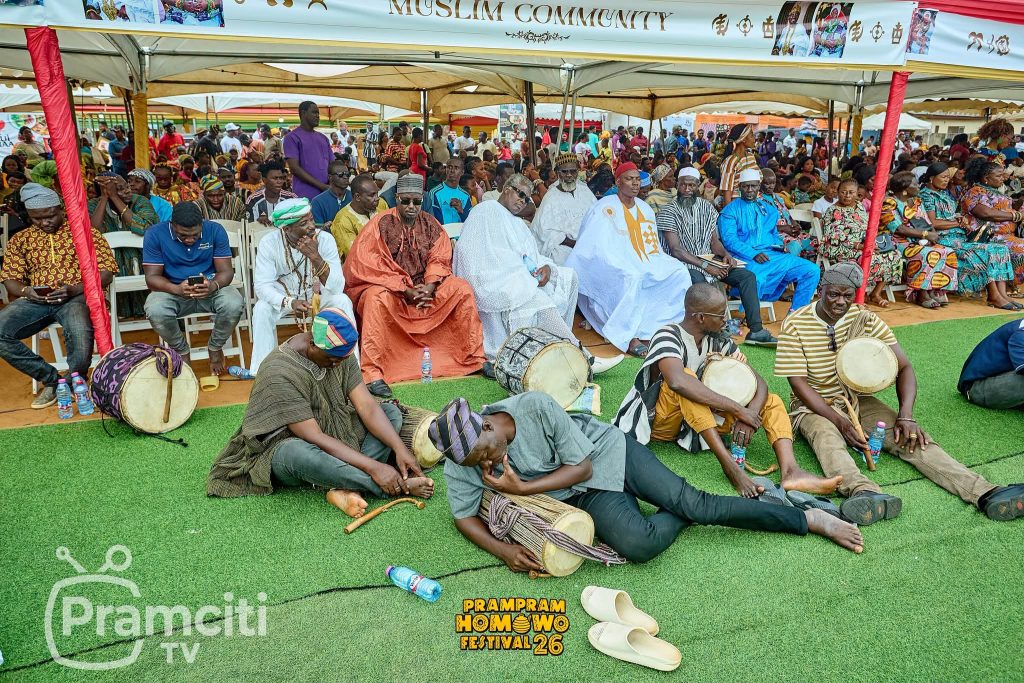
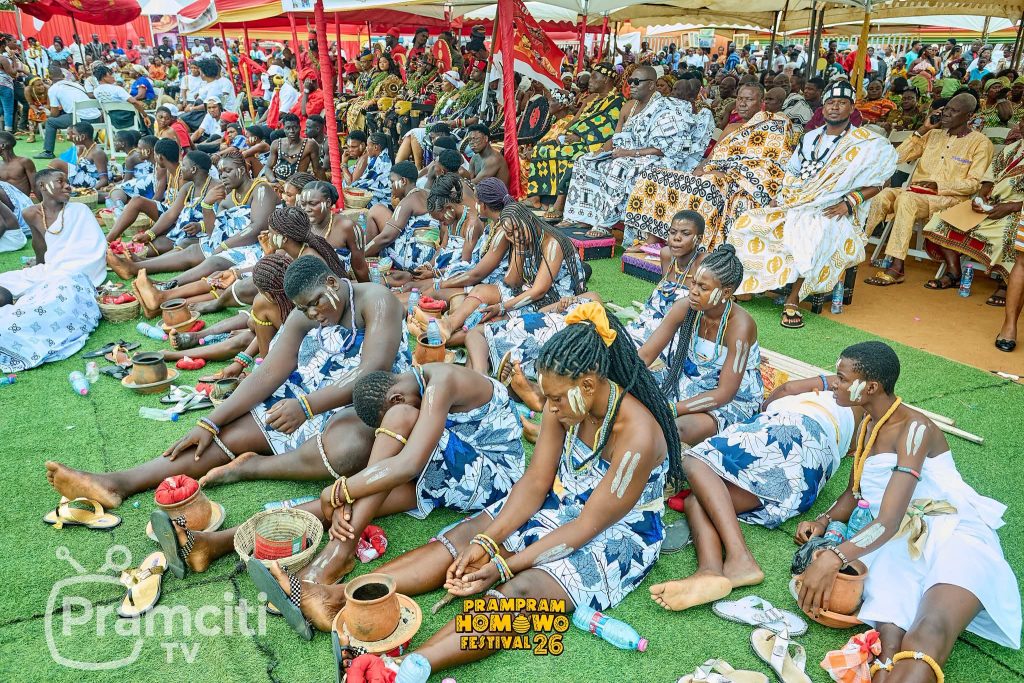
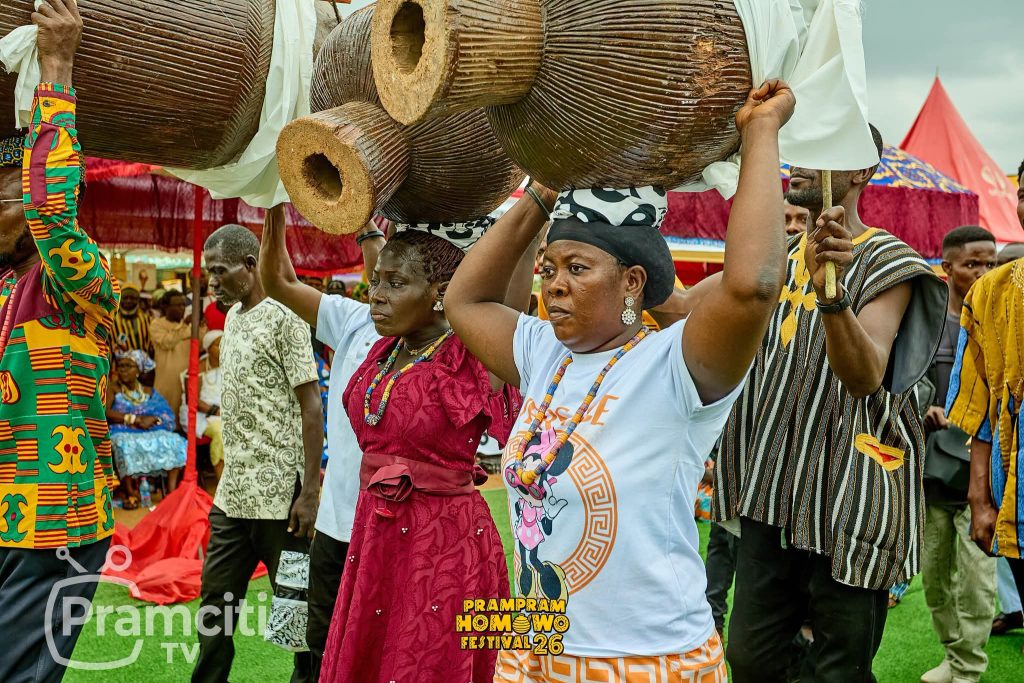
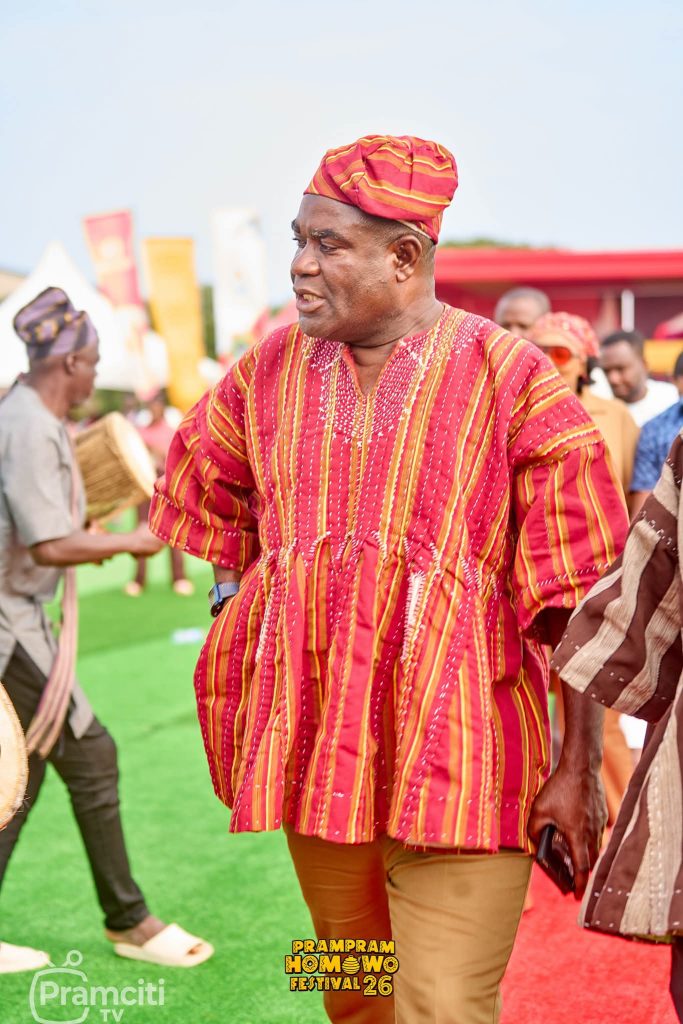
Families gathered in their finest attire, the vibrant colours adding to the festive atmosphere. Friends embraced, danced, and captured memories that would sustain them. The warmth of the celebration affirmed that culture is most powerful when it is lived, shared, and cherished by the people themselves.
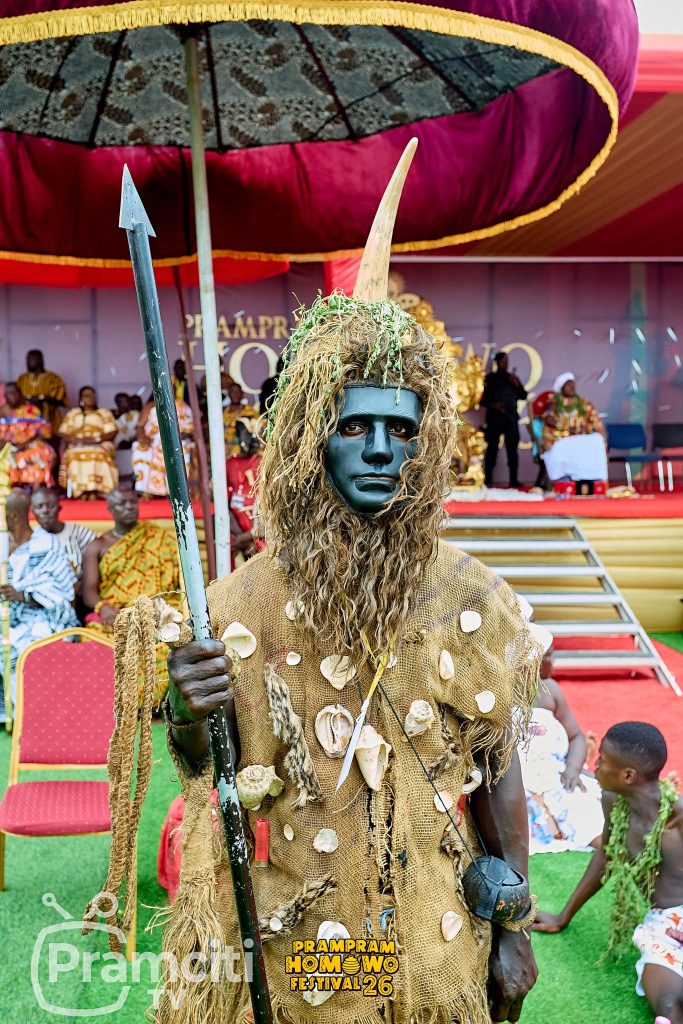
The Prampram Kotoko celebration carried significance far beyond entertainment, it was a profound spiritual and cultural act reaffirming the community’s relationship with its history and its future. The drums, dances, rites, and royal ceremonies collectively expressed gratitude for survival, communal endurance, and hope for the future. The festival offered an opportunity to honour ancestors, strengthen family bonds, and reaffirm commitment to preserving cultural identity for generations yet unborn.
The distinguished appearance of chiefs and queenmothers provided young people with tangible connection to customs endured across centuries, ensuring ancestral traditions would continue to flourish.
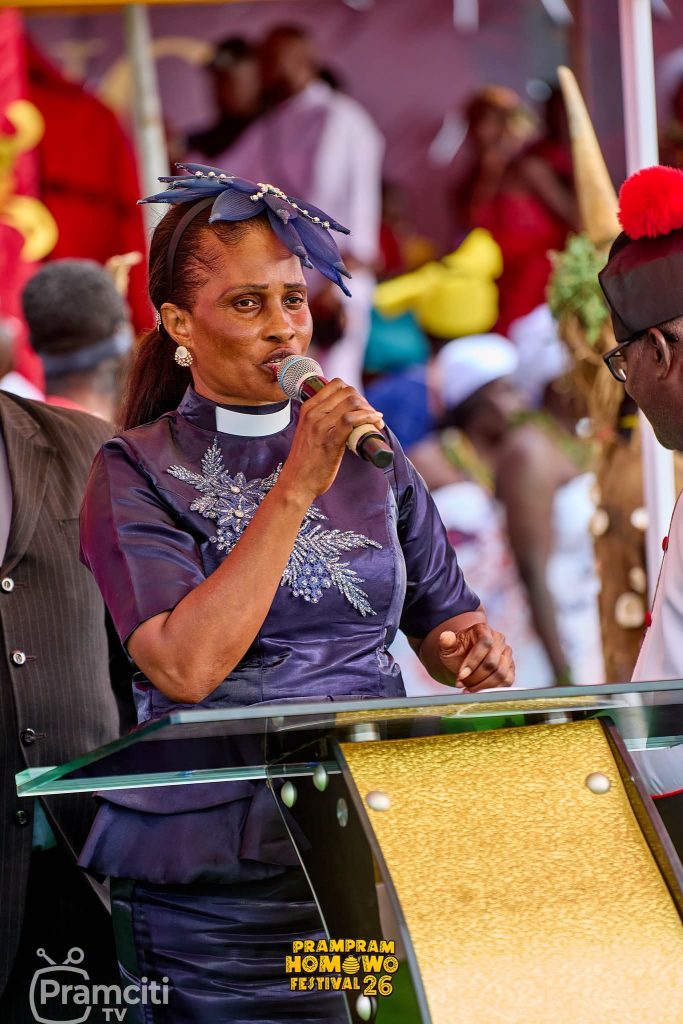
The celebration reached its intellectual zenith with a stirring address delivered by Nene Tetteh Wakah III, Paramount Chief of Prampram Kotoko a moment fusing royal oratory, cultural philosophy, and visionary leadership. Presiding with gravitas was Nene Sakitey II, Konor of the Manya Krobo Traditional Area, who has championed chieftaincy as a pillar of modern governance. Against this distinguished backdrop, Professor King Odaifio Welentsi III rose to deliver an address on Katamanso that resonated long after the drums fell silent. His words were a clarion call a meditation on resilience demonstrated during the Katamanso war and a powerful reminder of the strength found in cultural unity. It elevated the occasion from celebration to declaration: Prampram Kotoko stands tall, tradition is not a relic but a living force, and the wisdom of the ancestors continues to guide the living.
As the drums gradually faded, one message remained clear: Prampram Kotoko is proud of its heritage, and that heritage remains undeniably alive.
Aƒee! Homowo! Aƒee! Prampram Kotoko!
Osɔfo Nii Naate Atswele Agbo Nartey