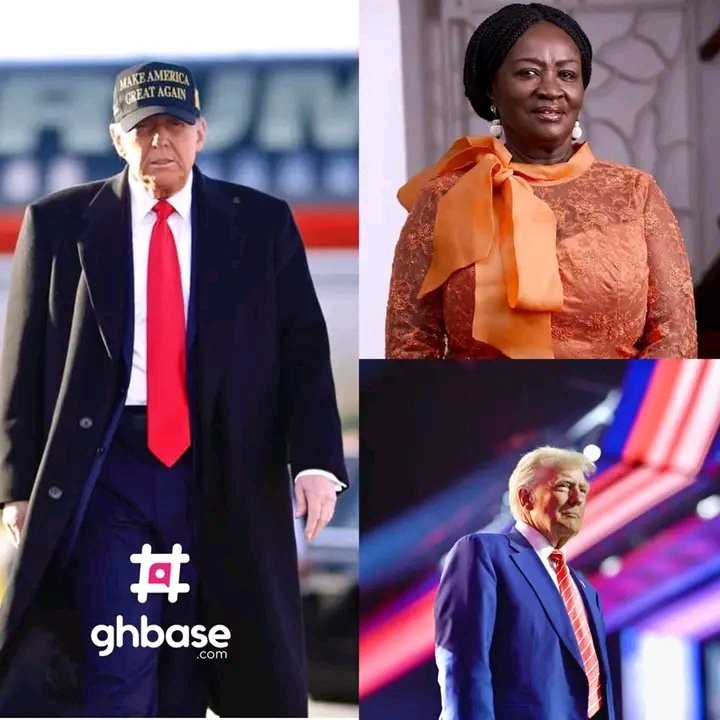
n a unilateral U.S. action, new tariffs of 10% on Ghanaian goods have been imposed and are alleged to be directly related to Ghana’s Vice President Naana Jane Opoku-Agyemang recent scathing comments on U.S. aid cuts. This came after she openly criticized cuts in U.S. aid, prompting a biting response from Mr. Trump, who is reported to have said, “Your Vice President talks too much.” This latest development may jeopardize relations between the two nations.
The new tariffs would affect all Ghanaian exports to the U.S., making them costlier for the American buyer; analysts fear that would be detrimental to the Ghana economy via businesses dependent on trade with the U.S. The move also fits into the overarching U.S. strategy to impose tariffs on over 180 nations without special trade agreements with America.
Critics of the tariffs are saying they will only backfire, drive up prices for American consumers, and lead to a trade war. Talk about countermeasures is already being heard from some African leaders, whose rumbles expose the possibility of further economic instability. In this conundrum, Ghana has been placed in a fix of sorts to devise a way of responding that will not aggravate the situation further.
The quibble started after Ghana’s Vice President slammed cuts to U.S. development aid that were seen by Trump’s administration as unacceptable. His decision to slap tariffs on Ghana emphasizes the blink between diplomatic statements and the economic ramifications that follow. Trade analysts are now closely observing the situation to see how this will affect Ghana’s export market in the months to come.
For now, on both sides, businesses are bracing themselves for increased costs and uncertainty. If other countries choose to retaliate following the Ghanaian example, the global trading environment could become even more chaotic. As the situation continues to unfold, leaders and economists from Africa have urged caution to prevent further economic downturns.