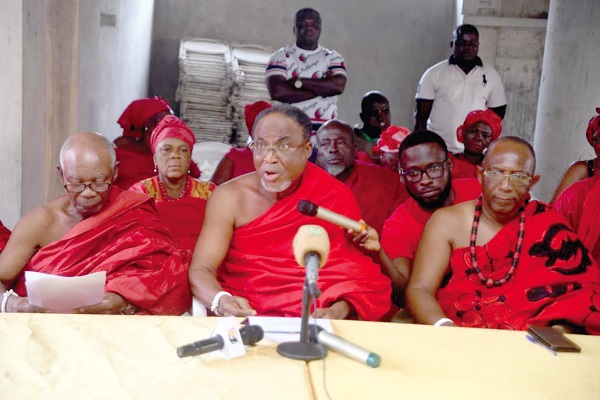
The Gbese Dzaasetse, Nii Okai Kasablofo V, has categorically stated that he neither installed Nii Armah Okpah as Caretaker nor recognises any such appointment. He maintained that the alleged installation was unlawful and inconsistent with the customs, traditions, and legal framework governing succession to the Gbese Stool.
Nii Okai Kasablofo V further cautioned against what he described as the growing phenomenon of usurpation within Ga Mashie. He warned that traditional authority should never be acquired through self-appointment or exercised for personal aggrandisement. He expressed concern over the emergence of what he termed “self-appointed chiefs” and “self-styled elders” who claim authority without lawful customary recognition, thereby creating confusion, undermining legitimate traditional institutions, and fostering division within the Ga State.
He stressed that true royal leadership is not a platform for self-exaltation but a sacred trust that must be exercised with humility, accountability, and service to the people. In his view, public call reinforces the enduring principles of respect for customary institutions, orderly succession, lawful authority, and reverence for elders, principles that remain indispensable to preserving peace, stability, and the dignity of the Gbese Royal Family and Ga Mashie.
Nii Okai Kasablofo V’s assertion that he did not willingly install Nii Armah Okpah and that his participation occurred under threats or duress raises important issues regarding both customary governance and legal evidence.
While duress may explain a person’s actions, it does not, by itself, automatically render every act legally or customarily void. Rather, duress is a defence that must ordinarily be established through credible testimony and corroborating evidence. It is not proven merely by asserting compulsion or by relying solely on the existence of a photograph.
A photograph is generally treated as objective evidence that a person was present at a particular event. It does not, however, conclusively establish the person’s state of mind, consent, or willingness to participate. Whether the individual acted voluntarily or under coercion is a separate factual issue that requires independent evidence.
Consequently, if Nii Okai Kasablofo V maintains that he participated under duress, the burden rests on him to present evidence supporting that claim. Such evidence could include witness testimony, contemporaneous communications, or other corroborative material demonstrating that his participation was compelled.
From the standpoint of customary leadership, the stronger emphasis may not be on duress as a legal justification, but on his personal conviction and consistent position that any installation or succession to the Gbese Stool must comply with established customary procedures and applicable law. His public declaration that he did not voluntarily install Nii Armah Okpah reflects his stated commitment to lawful customary authority rather than an attempt to excuse conduct that would otherwise violate customary law.
Accordingly, the issue is not whether a photograph alone validates or invalidates the installation, but whether the entire process complied with recognised customary procedures and whether any alleged coercion can be substantiated by credible evidence.
According to the Dzaasetse, the path to unity must be anchored not only in customary values but also in strict adherence to the rule of law, due process, and respect for legitimate traditional authority. He reiterated that all matters relating to succession and traditional leadership must be resolved exclusively through established customary procedures and the applicable laws of Ghana.
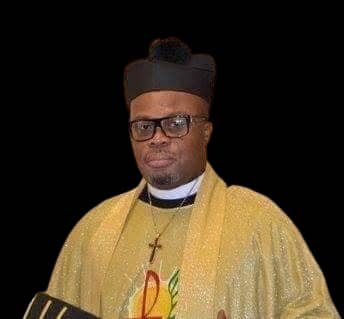
Osɔfo Nii Naate Atswele Agbo Nartey