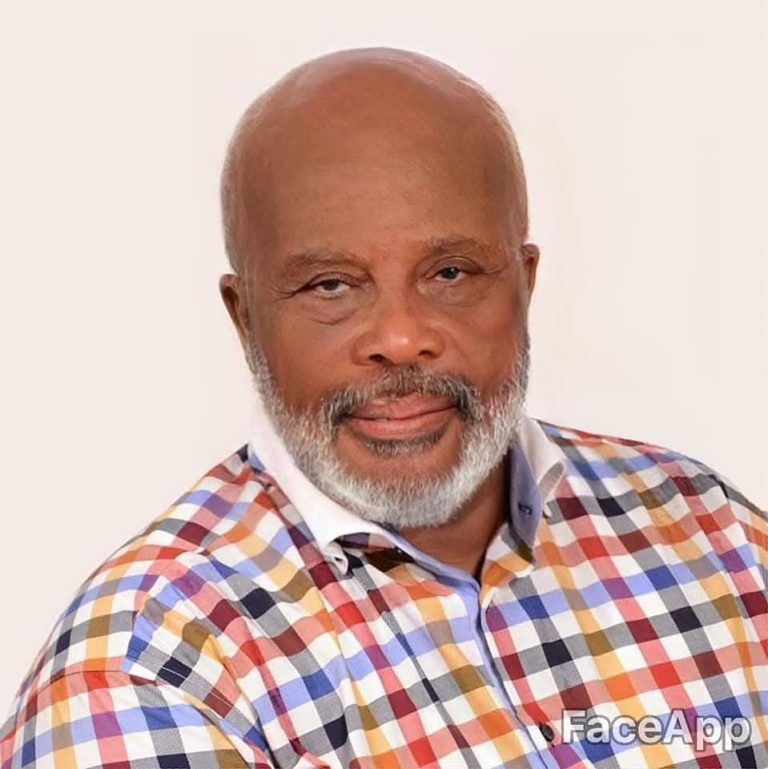

When I hear Dr. Yaw Osei Adutwum speak, I hear education reform. I hear vision. I hear conviction.
At a time when Ghana’s education sector faces serious challenges, from the 2026 CSSPS crisis to teacher shortages, welfare concerns, and unfinished reform the Mahama administration faces a defining test.
This is the moment to put politics aside and listen to ideas that can move education forward. Government need not surrender its mandate. It must broaden its pool of wisdom. Dr. Adutwum, former Minister of Education, remains a voice deserving serious attention. According to the ardent scholar of education, Dr. Yaw Osei Adutwum: “Politicians, we are our worst enemies. You see, when you want to say anything to get elected, you find yourself in a hole after being elected… Before Free Senior High School in 2015, there was no double track. English Language had a 45.2% pass rate, Integrated Science had a 28.7% pass rate, and Mathematics had a 32.7% pass rate. There was no double track. When the double track students started being examined in 2020, when they first took their exams, English Language, which was 45.2%, became 57.34%; Integrated Science, which was 28.7%, became 52% for that first batch; the 32.7% for Mathematics became 65%; and Social Studies, which was 55%, became 64%. For the double track students in 2023, English Language was 73%, Integrated Science 76%, Mathematics 62%, and Social Studies 76%. If you don’t know how the system works and somebody is doing it, ask them; study it.”
The 2026 Computerised School Selection and Placement System exercise has raised concerns over access, transparency and fairness. Ministry figures indicate 527,932 of 604,567 qualified candidates secured placements, leaving many young Ghanaians uncertain about secondary education. Behind every unplaced candidate is a student, a family and a future.
Government should not treat criticism as partisan. It should examine every credible solution.
Dr. Adutwum proposes expanding and upgrading Senior High Schools to reduce pressure on Category A institutions. His vision includes science laboratories, exchange programmes, and creating more Category A-level schools. He warns that if qualified candidates are excluded from the eligibility list, self-placement cannot solve the problem. If software is responsible, “the software developers have to go and redesign the system.”
His contribution goes beyond CSSPS. He advocates a transcript and resit system, allowing students to retake failed subjects rather than letting one poor result permanently block tertiary education. He also calls for confronting exam malpractice and shifting from memorisation to the 4Cs: Critical Thinking, Creativity, Communication and Collaboration.
Education must prepare young people to think, create, communicate, collaborate and solve problems. He consistently links education to industry, ensuring learning connects to employment, entrepreneurship and national development. These are not abstract theories. They come from someone who ran the ministry and helped shape policy.
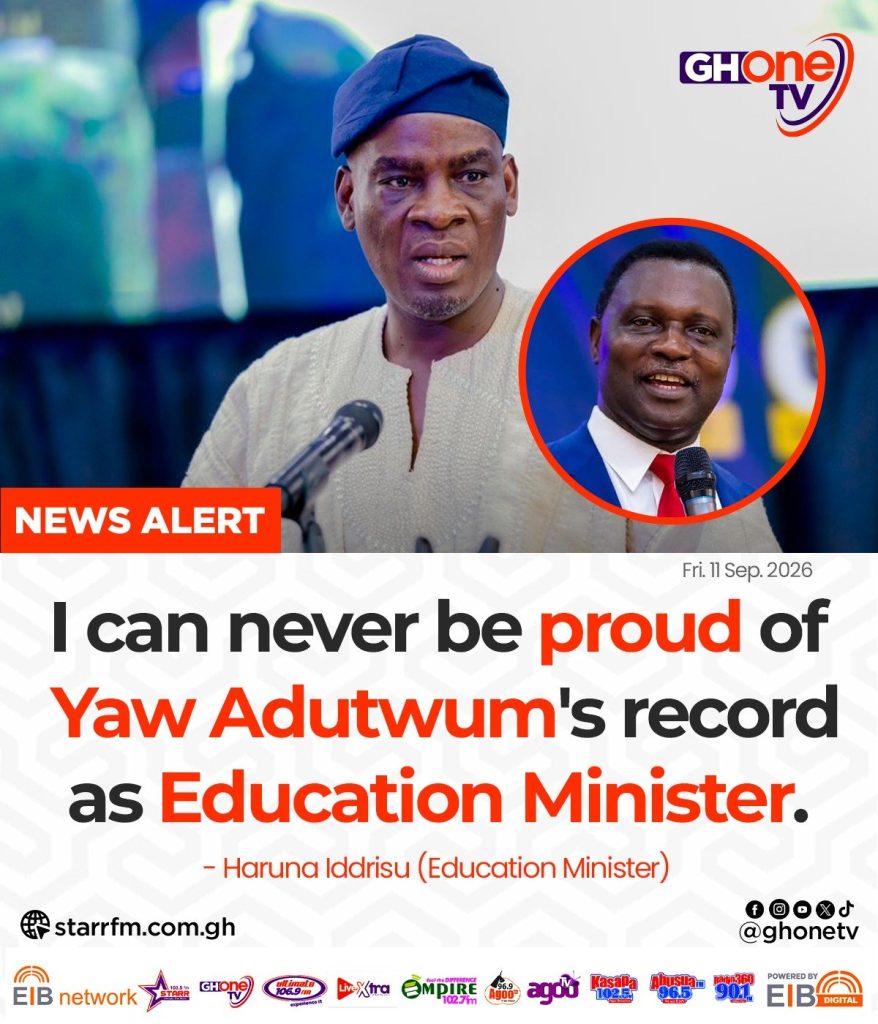
Education Minister Haruna Iddrisu has acknowledged a severe teacher shortage. Ghana needs tens of thousands more educators, yet recruitment clearance has fallen short. Concerns also persist over delayed promotions, unpaid salaries and arrears. When teachers are overburdened and demoralised, the consequences reach the classroom and the child. Ghana cannot build a world-class system while neglecting those who deliver it.
Dr. Adutwum’s emphasis on tracking performance and early intervention is relevant. Struggling children should not drift until failure becomes inevitable.
Education policy needs continuity. Governments change, ministers change, parties alternate. But children keep growing, schools keep operating, teachers keep teaching. The nation pays when successful programmes are abandoned because a previous administration started them. Dr. Adutwum speaks of an “intentional transition arrangement” to preserve good initiatives. Both NDC and NPP should embrace it.
Education is a national project, not a four year political experiment. Defending a minister is fine. But political support must produce results. Results require ideas. Good ideas should not be rejected because they come from opposition.
Dr. Adutwum has lamented Ghana’s tendency to politicise even education. He is right. If an idea is good, use it. If a programme works, improve it. If a former minister has useful experience, consult him. That is leadership, not weakness. Inviting him would not diminish President Mahama or Minister Iddrisu. It would show confidence, maturity and patriotism.
President Mahama has announced a $300 million World Bank supported plan to upgrade 50 senior high schools and move away from double track. Such investment is welcome. But infrastructure alone will not transform education. Ghana needs strategic planning, quality teachers, technology, science and mathematics, critical thinking, industry partnerships, effective assessment, student support and policy continuity. We need an education system that prepares children not merely to find jobs but to create value, solve problems and compete globally.
When Dr. Adutwum speaks, the message is consistently reform. I hear a firebrand with bold, practical ideas. I hear compassion and conviction about the African child. Education is the light of every society. It is foundational to health, economic growth, technological advancement, social stability and national development.
Few education ministers have combined strategic ambition, policy thinking and apostolic zeal as he has. His vision covers policy formulation, strategic direction, school development and Human service education. Ghana should not view him only through partisan politics. Africa should not either.
The question is not whether Dr. Adutwum belongs to NPP or the government belongs to NDC. The question is: What works for Ghanaian children? If his ideas can improve CSSPS, let government listen. If his proposals can expand quality schools, let government study them. If his resit plan can save students, let experts examine it. If his 4Cs can improve learning, let Ghana embrace them.
The wisdom is available. The experience is available. The ideas are available. What is required is the courage to listen.
Dr. Adutwum is not merely speaking about education. He is presenting a vision of what education can become. Ghana must listen. Africa must listen. And where ideas are sound, we must act.
Osɔfo Nii Naate Atswele Agbo Nartey