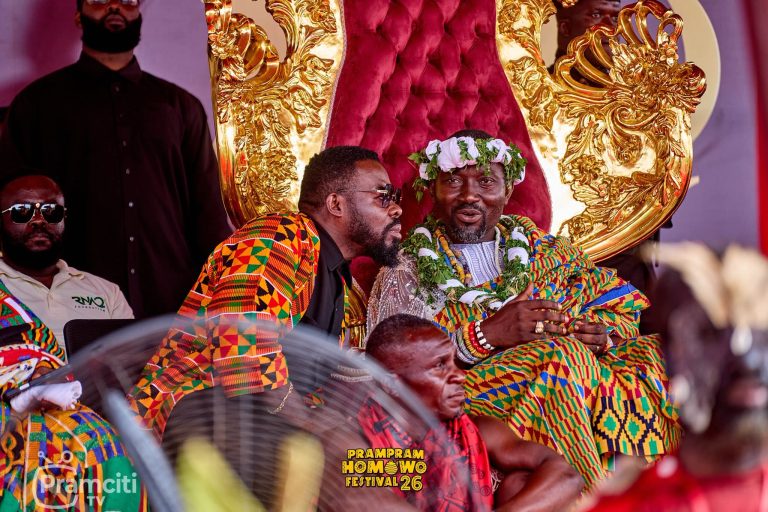
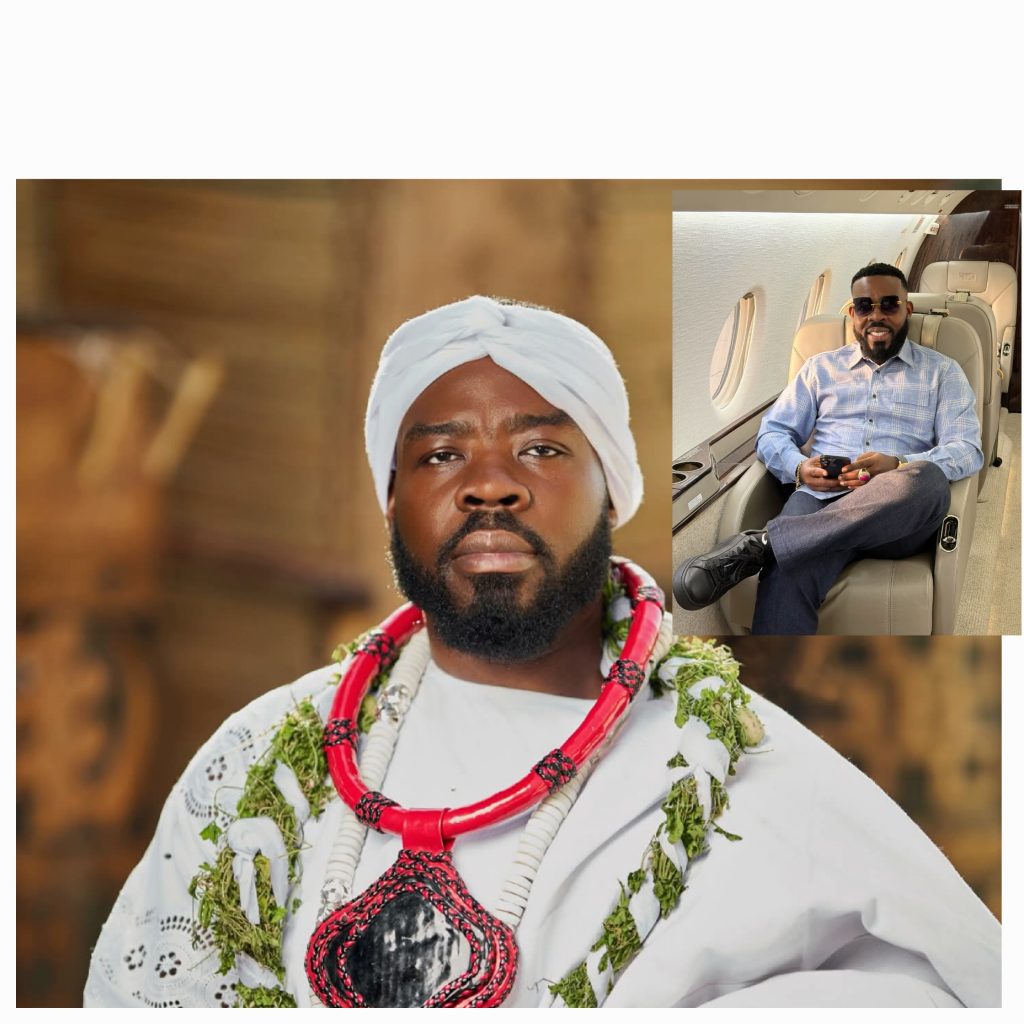
When a man of Richard Nii Armah Quaye’s stature speaks about supporting GaDangme prodigies and creating opportunities for young people, it should not be dismissed as mere rhetoric, but redemptive. It is a serious national responsibility. But there is one critical point: Quaye cannot, and should not, carry this vision alone.
The vision is simply too important to be reduced to one individual, one stool, or one traditional authority. If it is to endure, it must become an institutional agenda of the Greater Accra Regional House of Chiefs.
Why Quaye Must Take the Initiative
Quaye brings three important assets to the table: influence, resources and the ability to engage across traditional boundaries.
The Regional House is a council of traditional authorities, where no chief should be expected to dominate another. Quaye, however, can serve as a neutral convener. He can bring together the Ga Mantse, Dangme Paramount Chiefs, Ada traditional authorities, Nungua and other traditional areas and make one simple proposition:
“This is not about my stool or your stool. It is about our children and the future of our people.”
That is the conversation that must begin.
His personal involvement would also provide confidence and accountability. If he simply provides funding to one traditional authority, the initiative could easily be perceived as a private patronage project. But if he works directly with the Regional House to establish a transparent endowment, every traditional area can see itself as a stakeholder.
The talented young person from Prampram must have the same opportunity as the gifted young person from Ga Mashie, Nungua, Ada, Tema or any other part of Greater Accra.
What Quaye Should Do
First, convene the traditional leadership.
Quaye should initiate a closed-door engagement with the leadership of the Regional House. He should present the concept, listen to the concerns of the various traditional authorities and allow the House to determine the appropriate institutional framework.
Second, help establish a permanent structure.
The objective should not be to create another personality-driven charity. It should be to establish a properly governed indigenous endowment with clear rules, independent oversight, transparent accounts and a structure capable of surviving its founders.
Third, lead by example.
Quaye can demonstrate his commitment with a substantial seed contribution. But that contribution should become the beginning not the entire funding model. Traditional authorities, corporate Ghana, philanthropists, development partners and other stakeholders should be invited to contribute.
That is how “Quaye’s Project” becomes “Our Project.”
The Fund Must Be Bigger Than Scholarships
The proposed institution should have a broad mandate covering:
- Scholarships and educational support
- STEM education
- Vocational and technical training
- Entrepreneurship and enterprise development
- Mentorship and leadership development
- Identification and support of exceptionally gifted young people
But one principle must govern everything: merit and accountability.
Beneficiaries should be selected according to talent, need, character and potential not family connections, political affiliation, chieftaincy allegiance or proximity to a particular throne.
Keep Politics and Chieftaincy Rivalry Out
This initiative will fail if it becomes another arena for political competition or traditional rivalry.
The fund must be deliberately insulated from partisan politics, chieftaincy disputes and personal patronage. Its credibility will depend on transparent selection, professional administration, audited accounts and equitable representation.
The question should never be, “Whose project is this?”
The question should be, “Which young Ghanaian has the ability and potential to change the future, and how can we help that young person succeed?”
The Legacy
If Quaye carries this burden alone, history may remember him as a generous philanthropist.
But if he uses his influence to bring the traditional authorities together and establish a sustainable institution, he could leave a much greater legacy: the architecture of an indigenous human-capital movement for Greater Accra.
One man can provide the seed. One philanthropist can open the door. But a region must build the institution.
The GaDangme prodigy is waiting. The youth need opportunity. The future requires investment.
Quaye’s responsibility, therefore, is not to carry the entire weight. It is to build the scaffold that allows the whole region to carry it together.
That scaffold is the Greater Accra Regional House of Chiefs.
Let him open the conversation, sit at the table, listen to every traditional authority and help transform the idea from a personal vision into a collective regional commitment.
That is how a good intention becomes an institution.
That is how philanthropy becomes legacy.
And that is how we move from words to nation-building: But to place this vision under the Ga Maŋtsɛ alone would be to shrink a regional Renaissance into a localized charity. Richard Nil Arman Quaye’s vision is inherently nationalistic because it seeks to rescue the indigenous youth of the capital region from intellectual extinction.
I move a strong motion: That the Greater Accra Regional House of Chiefs adopts this agenda as its flagship development policy, asserting its constitutional authority to develop all its indigenous people. Let this not be the campaign of a single chief, but the legislative legacy of the entire Regional House. The prodigy belongs to Accra; Accra belongs to the House.
“Educating the Prodigy. Securing the Capital. Building the Nation.”
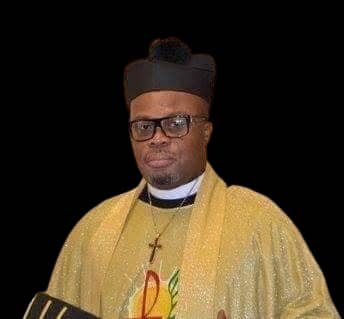
Osɔfo Nii Naate Atswele Agbo Nartey