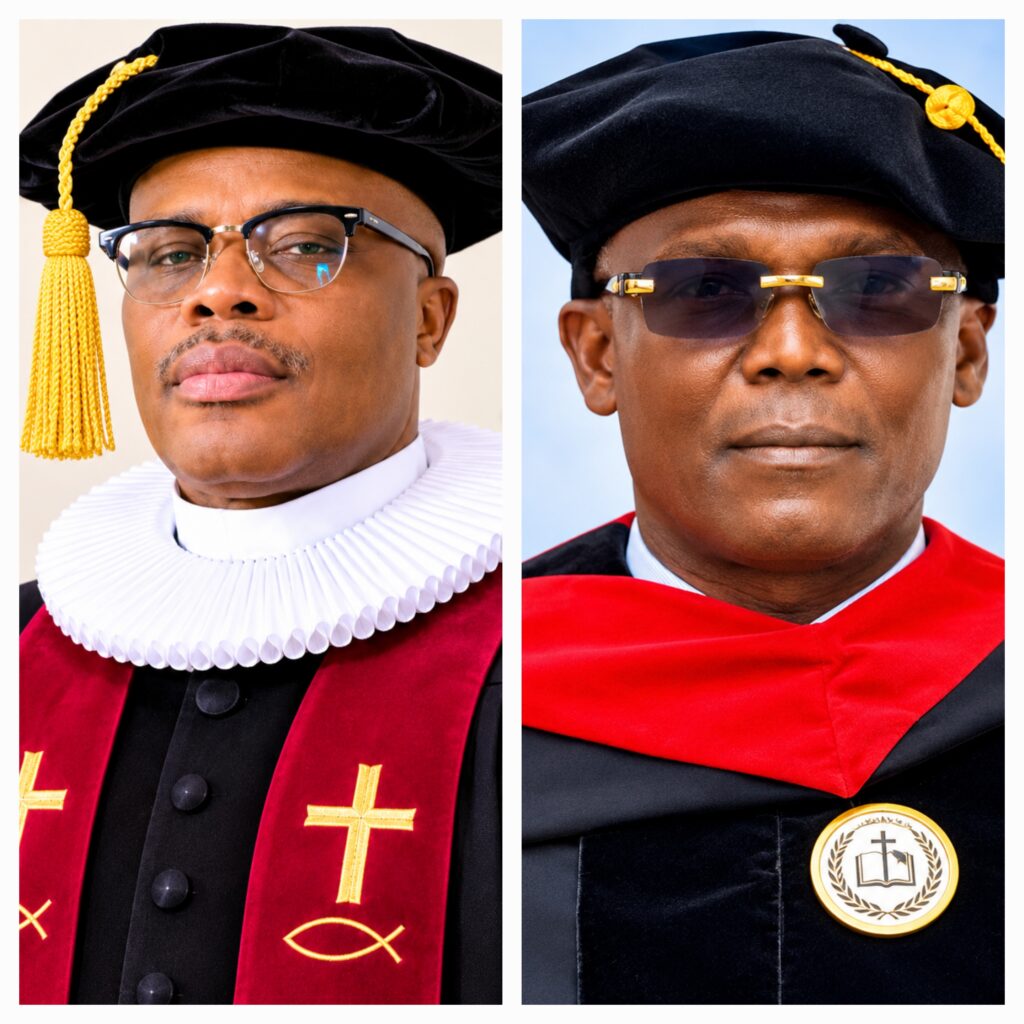
Open Letter To Dr Henry Ayi Addo:
My Dear Dear Dr Henry Ayi Addo,
My heart is really bleeding for you. I am sure you did not take your African studies seriously while in school.
What you used our queenmother’s funeral for is nothing but propaganda and an attempt to settle a personal score with King Tackie Teiko Tsuru II. I thought you do have GaDaŋme at heart?.
You are behaving like someone who walks into a palm-wine bar and, after drinking plenty of palm wine, starts looking for his car keys, only to get outside and realize he left his car at home. In older times, before one becomes a chief, one must have had one’s tutelage and pupillage in allied chiefs’ courtyards to learn the rudiments of chieftaincy. If you had had such an apprenticeship experience, you would not be dismissing such a recognized African traditional practice. Permit me to be your African studies teacher.
First, it is necessary to know that “African customary practice” is not one single practice. Africa has thousands of societies, and chiefly funerary customs vary greatly. But in a number of African kingdoms and chiefdoms, empty decoy coffins, cenotaphs, secret royal burials, and substitute burials are documented customary practices, not assumptions. The public coffin may be empty while the real body is buried secretly by a few elders; or an empty coffin is buried as a cenotaph when the body is unavailable, stolen, or deliberately hidden; or cloth, a staff, a calabash, or an effigy may stand in for the chief.
WHY CAN AN EMPTY COFFIN BE CUSTOMARY FOR CHIEFS?
It is usually a ritual and political strategy, not a mistake or a guess. Its significance includes:
1. Protecting the chief’s remains and spiritual power. In many African ontologies, the body, especially the head, carries the chief’s ritual potency, personhood, and link to the ancestors. Enemies or rivals may steal or decapitate the body as a trophy, for ritual medicine, to humiliate the lineage, or to break the chief’s spiritual continuity. An empty public coffin and a secret real burial mislead potential desecrators.
2. Ensuring proper funeral rites and ancestorhood. A chief must receive proper burial rites to join the ancestors and to release the community from mourning. If the body is stolen, unrecoverable, or must be hidden, an empty coffin or substitute object allows the rites to be completed symbolically and socially.
3. Concealing the grave during succession. Royal funerals can be moments of political danger. Secrecy about the real grave prevents grave robbery, sorcery, rival claims, and interference in succession. Elders control who knows the true burial site.
4. Maintaining royal dignity against taboo. The chief’s body may be taboo to ordinary view. The public ceremony and the actual interment may be separated: the community mourns publicly, while the real burial is private and sacred.
5. Social and ritual completion. The empty coffin gives the community a focus for mourning, procession, and ritual closure. In ritual terms, it is not “fake”; it is a real ceremonial object that carries the office and the community’s relationship to the chief.
When enemies steal or decapitate the bodyThat is one recognized reason for an empty coffin or substitute burial. Enemies may take the body or head to:
A. Claim victory and humiliate the chief’s people;
B. Capture ritual power believed to reside in the head/body;
C. Use the remains in ritual medicine;
D. Prevent a complete burial and thus disturb ancestorhood and succession.
In response, customary authorities may bury an empty coffin or effigy publicly, keep the real burial secret, or perform substitute rites. So the empty coffin is often a protective and ritual response to real dangers, not an assumption.
In those societies where it is customary, burying an empty coffin for a chief is a recognized sacred ritual and solemn practice with protective, spiritual, political, and social significance. It is not universal across Africa, but where it occurs, it is meaningful customary action, especially where body theft, decapitation, grave robbery, or succession conflict are real threats.
So if my dear brother Dr. Henry Ayi Addo described the burial of the late Ga Manye in an empty coffin as a scam, then I find his characterization deeply unpleasant, dishonest, and morally questionable. I did not appreciate the tone of his remarks, which was strong, offensive, and informal. I would prefer a fair criticism of the Ga Traditional Council to a severe personal insult directed at African customary practice, rather than the use of a lighthearted, casual curse word or vulgar term like “scam.” And as a proud prince and direct nephew to these two sisters, Naa Oforiwaa Agyemankesse I (Abola Tsuuma Manye) and her sister Nana Akosua Akyamaa III (Asante Juabenhemaa), presumable principal elder of Kreshie We (where the Gbese Mantse and Dzaasetse is laid in state), and principal prince to Nii Ayi Deki and Nii Adu Koblah of Gbese Aneje and descendant of the only holy royal priesthood, Gbalor Lomoko, and the strongest, smartest, and sacred king of the GaDaŋme, Tatse Nii Tackie Komey II, Ga Mantse. And do not forget that my becoming Prampram Mankraloo is not presumption. That is not all; also, as an astute scholar of the New York African Studies Association of professors, or member of GaDaŋme Education and Cultural Foundation – USA, I will not sit back and watch you romanticize sacred and solemn funeral rites for chiefs. Honestly, when it comes to the ways of African custom, my hat is heavier than yours, brother. If indeed you said,Burrying Ga Manye In An Empty Coffin By GTC Is A “SCAM”, Then You Are A “SCUMBAG”
When Sir Prof. Samuel Nii Kwatei Quartey, MD, PhD, one of the greatest African culturalists of international repute, founded the GaDaŋme Cultural and Education Foundation, it was to teach and instruct African children born in the US so that they may not be lost in exile as descendants of asylum seekers who sought economic liberation. “If Jesus Christ, the greatest culturalist, defended the customs and traditions of his time, why should I not, who follow in his steps, save mine?”, Sir Prof. Nii Kwartei Wulom I, Ga Mantse USA.
Yours faithfully,
Venerable Dr Nathaniel Nii Naate Atswele Agbo Nartey