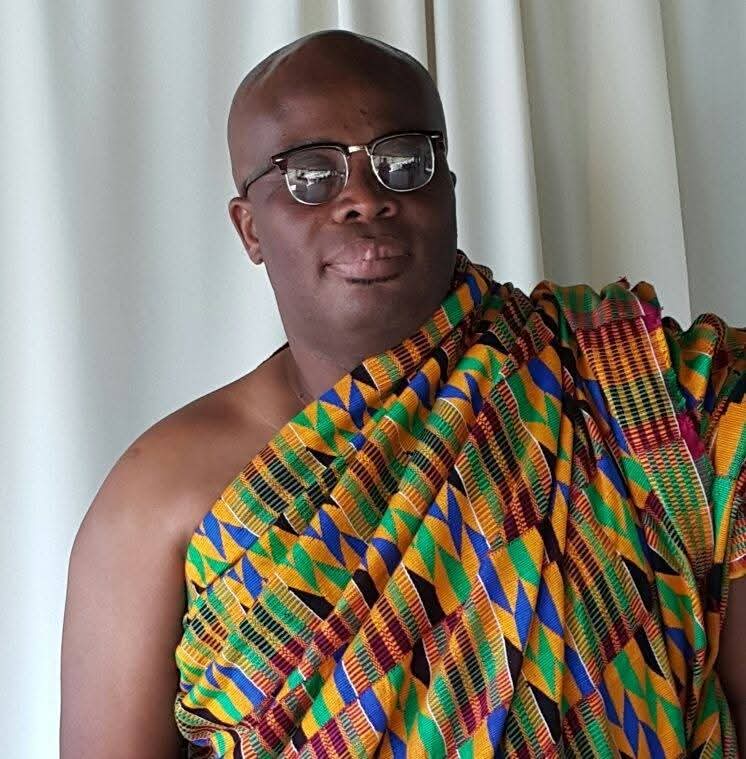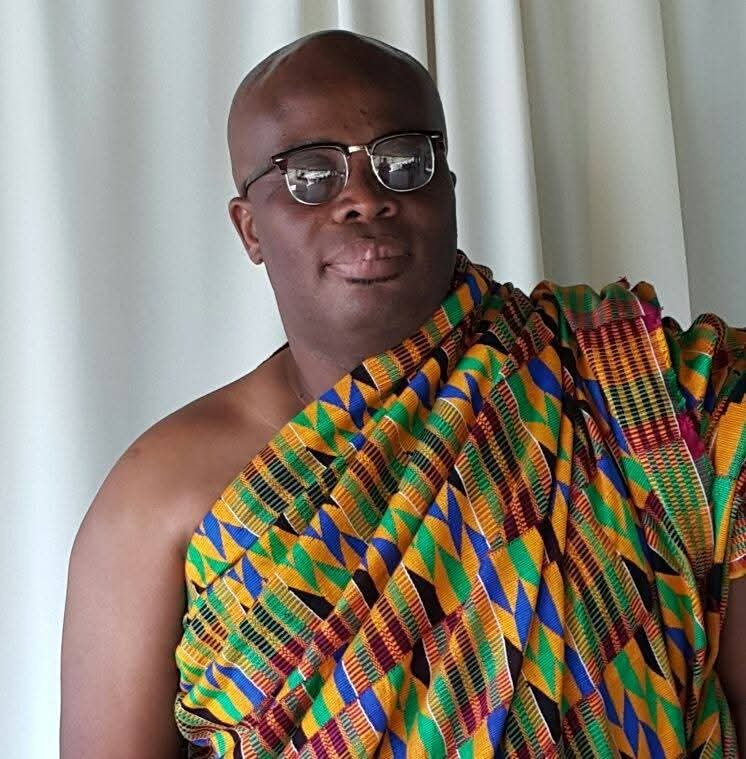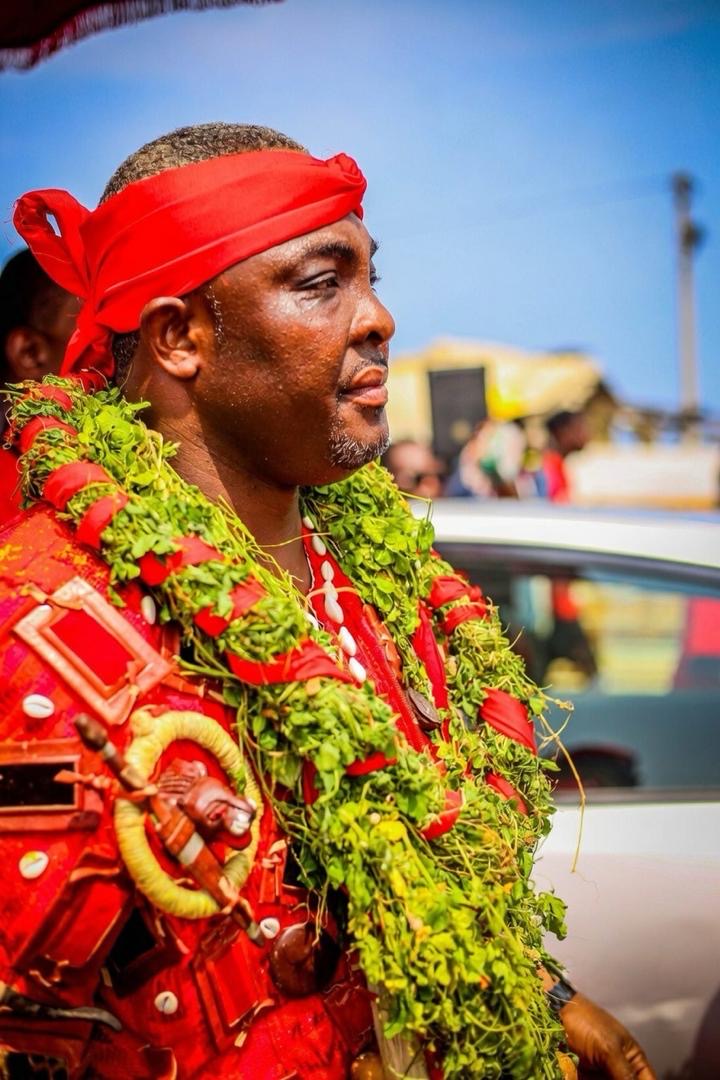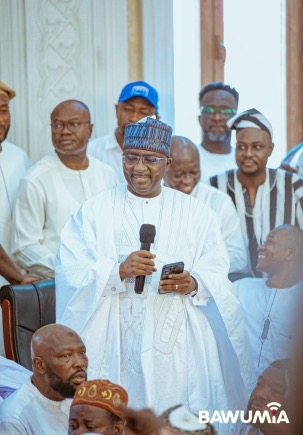

The Mayor of Accra, Hon. Michael Kpakpo Allotey, and Steven Odarteifio remind us that “the child who washes his hands can dine with elders.” In speaking on the questions surrounding “Oobaakɛ” and the naming of Kotoka International Airport, they have demonstrated that wisdom is not the monopoly of age, and that no individual is an island of knowledge.
Our forebears teach that “one who does not know where the rain began to beat him cannot know where he dried his body.” National symbols carry history, and history must be examined, not merely inherited. By reigniting these conversations, Hon. Allotey and Odarteifio have shown that questioning is not rebellion; it is responsibility.
The Mayor’s culturally resonant campaign to inscribe the Ga word “Oobaakɛ” (“Welcome”) across public spaces in Accra may appear simple on the surface. Yet it is, in substance, a strategic civic statement embedding Ga identity into the visual grammar of the capital. By directing the Metro Education Unit to mount “Oobaakɛ” at the entrances of basic schools and at AMA City Hall, the initiative transforms language into public pedagogy and institutional memory.
It asserts that Accra is not merely Ghana’s administrative hub, but the historic homeland of the Ga people. This move raises an important policy question: What place should indigenous languages occupy in urban governance? In positioning Ga at the symbolic thresholds of the city, “Oobaakɛ” declares that language is not decorative; it is identity, authority, and belonging.
That is not all.
Steven Odarteifio’s recent civic intervention must be situated within the broader framework of participatory democracy and intergenerational political agency. His advocacy regarding the naming of Kotoka International Airport has not simply revived a dormant debate; it has illustrated how youth engagement can recalibrate national discourse and reinsert historically sensitive questions into the democratic arena.
In any evolving republic, national symbols are not sacred relics immune from scrutiny. They are expressions of collective memory, and collective memory must remain open to interrogation. If public memory becomes untouchable, democracy risks becoming ceremonial rather than substantive.
It is my prayer that, in the fullness of time, the interventions of these two young men will be recognized not as youthful audacity, but as practical expressions of responsible citizenship. As the proverb says, “The young bird does not crow in the morning without reason.” When the youth speak, it is often because something demands attention.
Too often, young voices are dismissed as inexperienced or disruptive. Yet it has taken young Ghanaians to reopen conversations that many seasoned actors had sidestepped. Whether one agrees with their positions is secondary. Their moral courage affirms that the future of Ghana rests not in silence, but in thoughtful engagement. Democracy matures when inherited narratives are examined rather than passively preserved.
Those unsettled by their advocacy should respond with argument, not dismissal. Debate them. Challenge their reasoning. Provide counter-evidence. But do not delegitimize the participation of youth in national development. Democratic culture deepens when younger generations engage with clarity, discipline, and conviction not when they are instructed to wait their turn.
In this moment, Hon. Michael Kpakpo Allotey and Steven Odarteifio affirm a fundamental civic truth: citizenship is neither age-restricted nor hierarchically allocated. It belongs to those willing to exercise it.
Mike and Steve, continue. For “the river that forgets its source will dry up,” but the nation that allows its youth to speak will renew itself.
Osɔfo Nii Naate Atswele Agbo Nartey