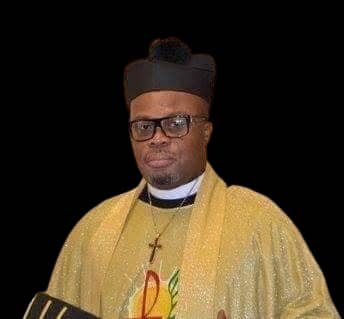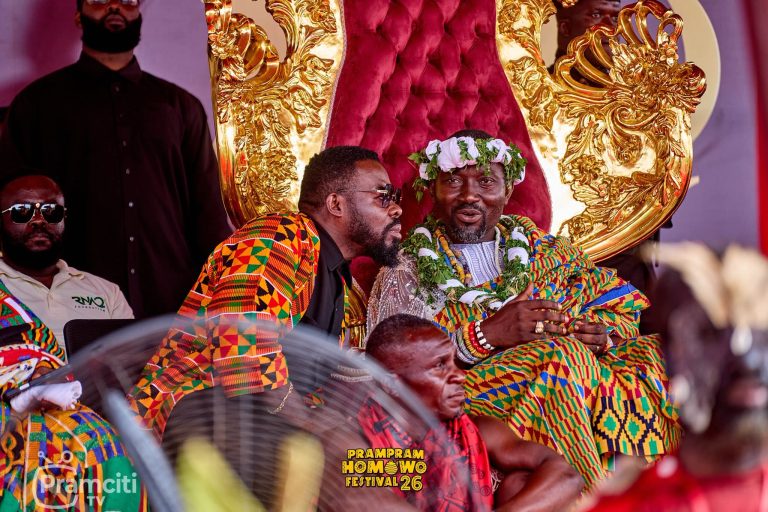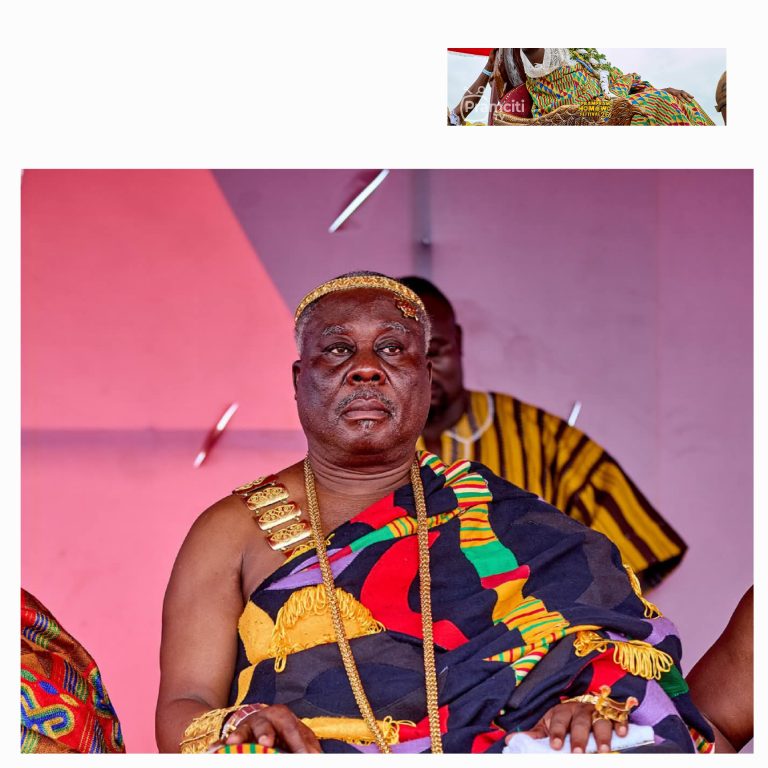

This historic royal declaration was made yesterday by the fantastic, smart, selfless young, and handsome Nii Tetteh Mowaamo, during the rites he was undergoing to renounce his allegiance to the Abola Stool. It’s a defining moment in Ga Mashie affairs for Abola to loose one of his stalwart on moral grounds.
His voluntary decision to step aside as Abola Oblahia Maŋtsɛ is not a break with the traditions of his people, but rather a devotion to the broader cause of GaDangme advocacy. This speaks volumes about his character, charisma, and maturity. At a time when many cling to traditional titles for prestige and influence, he has chosen a higher calling service beyond office. This is a profound testament that true leadership is service, not ceremony or reception.
As a young man, Nii Tetteh Mowaamo invested not only his personal resources but also his time, energy, and unwavering commitment to the social development of Ga Mashie. He championed initiatives that addressed pressing social challenges, promoted peace and unity, and inspired young people to embrace responsibility and cultural pride. These were not symbolic gestures; they were tangible acts of leadership rooted in sacrifice, honest and mutual love for his people.
LEGENDARY ‘TWO & TWO’ IN KORLE WONKO
Thanks to Nii Tetteh Mowaamo, when alongside other social reformers, visited Korle Wokon to address concerns over longstanding businesses in Old Accra, one of the key issues raised was “Two Two.” This trade was one of the oldest in the area, patronized by sailors, fishermen, and men from all walks of life during Ga Mashie’s era as a harbour city and Korle Wokon’s time as a residential area for the middle class.
However, these legendary commercial sex activities are now claimed to be deteriorating public safety. They are also said to cause excessive masturbation among youths and adults who cannot afford the fees, which leads to health issues. Consequently, this results in the loss of nervous energy and memory problems at school.
DADDY OOH DADA, OOOFILLI I IN KORLE WONKO
Growing up in Korle Wonko, on Okomfo Sapei Street, we often saw different men enter ghetto rooms and come out with their pants unzipped, which made us wonder what really went on inside these rooms. So sometimes, as curious children, we would peek through pinholes in their wooden structures. The moment we hear our peers yell, “Dada ooh Dada, Ooofilli!” you know you’ve been busted. You immediately beg that neither your parents nor the prostitute finds out about your pinhole, to avoid the punishment. (‘Kwashia Sane ‘) do not call me a bad child, because that was simply what society exposed me to.
By cracking down on prostitution, Nii Tetteh Mowaamo and his men were fulfilling one of the highest obligations of traditional leadership. Their mission was neither political nor self-promotional; it was an expression of responsibility toward the welfare of Ga Mashie, standing against a canker that had endured for centuries. Kwe Mowaamo, Na Oyi Wala Don, Diɛŋtsɛ. Anɔkwale wiemɔ tsɛ button. Nii Tetteh Mowaamo, son, I doff my hat.
Such interventions require moral courage. They involve confronting uncomfortable realities, engaging difficult stakeholders, and seeking lasting solutions rather than temporary publicity.
Indeed, he accomplished what many traditional leaders have either been unwilling or unable to do. He demonstrated that authentic leadership is measured not by the title one bears but by the lives one transforms. His willingness to relinquish office in pursuit of a greater mission is platinum card that reflects rare selflessness and visionary leadership.
History has consistently shown that societies are advanced by men and women who place principle above position. Nii Tetteh Mowaamo’s transition from traditional office to a broader platform of GaDangme activism stands as a powerful testament to servant leadership. It is a legacy that deserves recognition not because he sought honour, but because his actions have earned it.
The dignity of Ga Mashie depends not merely on its history but on its willingness to protect those who continue to serve that history with integrity.
The office of the Abola Oblahia Maŋtsɛ demands constant engagement with the people, mediation of disputes, protection of vulnerable families, preservation of cultural heritage, and the promotion of harmony within Ga Mashie. These responsibilities require patience, courage, and sacrifice, qualities that seldom make newspaper headlines but form the foundation of stable traditional governance.
Like many dedicated traditional leaders, Nii Tetteh Mowaamo performs these duties quietly, mertoriously often without recognition and sometimes at considerable personal cost.
Venerable Dr Nathaniel Nii Naate Atswele Agbo Nartey Th.d, Ph.d