
Dr. Alhaji Mahmoud Bawumia has demonstrated a rare yet admirable quality of true leadership: the courage to apologize is religious virtue and moral value. By openly acknowledging the economic and political shortcomings that contributed to his party’s disappointing performance in the recent elections, he has reminded us that apology is not a sign of weakness, but of strength.
In leadership, vulnerability is often misunderstood. Yet, it takes greater courage to say “I was wrong” than to defend a failing position. True respect for a leader does not come from appearing infallible, but from showing accountability and trustworthiness.
Dr. Bawumia’s apology was not about diminishing his party’s prospects, but about strengthening them. It was a sign of deep reflection, humility, and responsibility. He understands that leadership is service, and service requires accountability to the very people one aspires to lead.
It is unfortunate that his gesture has been ridiculed by some, including Kennedy Agyepong and his team, who view apology as weakness, and therefore have nothing to apologize for. Yet, an unwillingness to apologize closes the door to reconciliation and growth. Leadership built on pride and fear may command obedience, but it struggles to earn genuine loyalty and trust.
Dr. Bawumia, however, has shown that apology can be a foundation for rebuilding confidence. His action reflects a leader who prioritizes relationships and truth over self-image. Saying “I’m sorry” is not surrender, but an offer of peace. It signals that respect for people matters more than personal pride.
This attitude marks him out as a leader willing to learn, adapt, and repair. His inner strength does not lie in rigidity, but in resilience — the ability to bend, adjust, and grow stronger. His focus is not on seeking forgiveness for its own sake, but on making things right and ensuring that past mistakes do not repeat themselves.
In a political culture where apologies are rare, Dr. Bawumia’s example is refreshing. It is a reminder that true leadership is not about defending perfection, but about building trust through honesty, accountability, and humility.
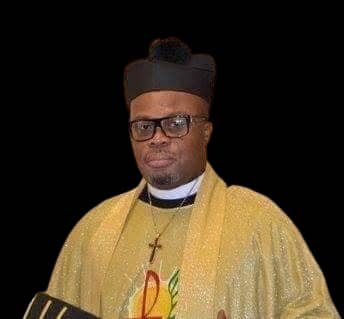
VENERABLE DR NATHANIEL NII NAATE ATSWELE AGBO NARTEY GLOBAL GOSPEL REFORMS INT USA