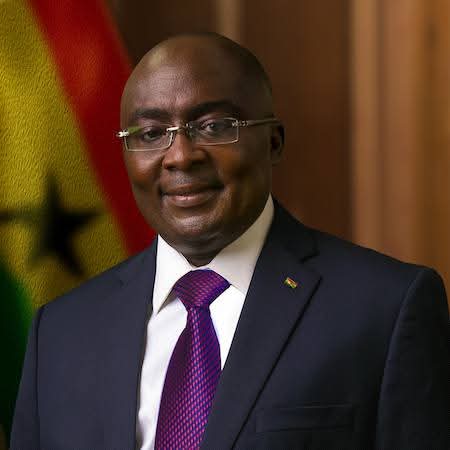
Why should anyone dislike Dr. Mahamudu Bawumia simply because he is a Muslim, when he has lived by the moral and ethical standards worthy of a Bishop? Must one become a Christian before being qualified to lead this nation? Since when did Ghana become a Christian state? And at what point did Christianity become a statutory or constitutional criterion for determining who should be President of the Republic? In Ghana you can confess that you are a thief, liar, blasphemous to prophets and pastors, moment you ascribed to Christianity, you rule.
These are legitimate questions that strike at the very heart of our democracy and national conscience. Ghana, by every definition, is a secular state. Our 1992 Constitution guarantees freedom of religion and equal opportunity for all citizens, irrespective of faith, tribe, or creed. It does not prescribe a religious test for public office, and it certainly does not place Christianity above Islam, or Islam above Christianity. Leadership in Ghana is meant to be a covenant of service, not a contest of denominations.
Dr. Bawumia’s religious identity should never be the basis for prejudice or political exclusion. Over the years, he has demonstrated humility, discipline, compassion, and a deep respect for moral order and qualities that transcend religious boundaries. Indeed, his conduct in public life mirrors the very virtues that many Christian leaders preach from the pulpit but fail to practice. He has shown grace under pressure, civility in politics, and a commitment to peaceful coexistence that embodies the best of both faiths.
It is, therefore, disturbing to hear certain voices, especially from within the Christian community suggest that Ghana should not be led by a Muslim. Such sentiments are not only divisive but also dangerous. They betray the spirit of unity that has long defined our national identity. Ghana’s peace and stability have been built on mutual respect between Christians and Muslims, anchored on tolerance, shared values, and a collective pursuit of progress. To undermine this balance for political gain is to play recklessly with the soul of the nation.
Our bishops and religious leaders must be guided by truth, not bias. They often boast that Ghana stands as a beacon of religious harmony in Africa, yet their silence or subtle endorsement of religious prejudice tells a different story. If we truly believe in coexistence, then we must practice it not only in words but also in political behavior. Leadership should be judged by integrity, competence, and dedication to the common good not by one’s place of worship or religious affiliation.
In any case, the idea that a leader must belong to a specific faith to govern justly is contrary to the very principles of Christianity and Islam alike. Both faiths teach fairness, honesty, and love for one’s neighbor. God does not appoint leaders by denomination, but by purpose and service. A good leader guided by conscience and truth is far better than a religious leader who governs with hypocrisy.
As a people, we must rise above sectarianism and see beyond the labels that divide us. Ghana’s progress depends on the quality of leadership, not the form of worship. The greatness of our nation lies in our ability to embrace diversity and harness it for development. Let us, therefore, resist the temptation to turn religion into a political weapon. The destiny of this country should be decided by the character and vision of its leaders not by the creed they profess.
Faith should inspire leadership, not define it. The day we allow religion to dictate our choice of president is the day we betray the very ideals of democracy and unity that have held this nation together for generations.
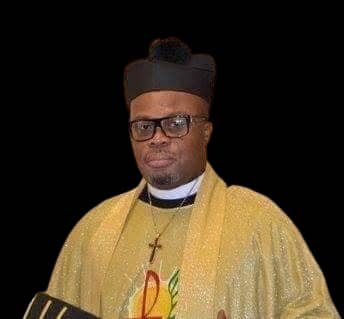
Venerable Dr Nathaniel Naate Atswele Agbo Nartey, GLOBAL GOSPEL REFORMS INT-USA