By Kwame Larweh
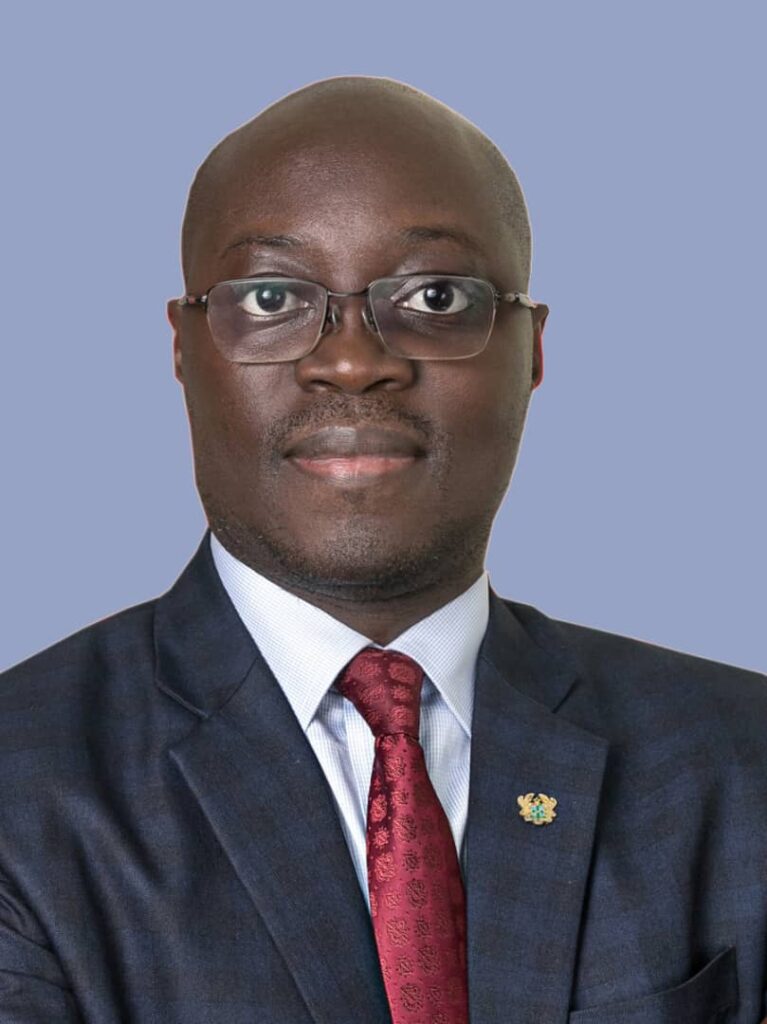
Ghana has reached a Staff-Level Agreement (SLA) with the International Monetary Fund (IMF) on the fourth review of its Extended Credit Facility (ECF) programme, marking a significant milestone in the country’s economic recovery efforts. The announcement was made by Finance Minister Dr. Cassiel Ato Forson during a joint press conference with the IMF and the Bank of Ghana on Tuesday.
The two-week review, which began on April 2, was described by Dr. Forson as one of the most challenging yet concluded successfully. “This is a significant step toward resetting the economy for the Ghana We Want,” he said, emphasizing the government’s commitment to restoring macroeconomic stability, ensuring debt sustainability, and fostering inclusive growth while protecting the vulnerable.
Despite inheriting breaches in several structural benchmarks and quantitative targets, the government has implemented bold measures to reverse setbacks and accelerate reforms. Key actions include addressing a large buildup of payables from 2024, which led to a primary deficit instead of the programmed surplus. To tackle this, the government has:
· Commissioned the Auditor-General, alongside two international audit firms, to validate payables within eight weeks.
· Amended the Procurement Act to require ministerial authorization for central government procurements.
· Revised the Public Financial Management (PFM) Act to introduce a debt-to-GDP target of 45% by 2035, mandate a 1.5% annual primary surplus, and establish an independent fiscal council.
· Operationalized a Compliance Desk at the Ministry of Finance to monitor adherence to fiscal commitments.
· Planned a PFM Commitment Control Compliance League Table to rank ministries, departments, and agencies (MDAs) based on compliance.
The government also met several structural reform deadlines, including migrating 549 MDAs and metropolitan, municipal, and district assemblies (MMDAs) to the Ghana Integrated Financial Management Information System (GIFMIS) and publishing a validation report on the Electricity Company of Ghana’s revenue accounts for 2024.
While fiscal risks in the energy sector persist, Dr. Forson highlighted measures to address shortfalls, such as operationalizing a single account mechanism and enforcing the Cash Waterfall Mechanism to ensure payments to independent power producers.
The SLA paves the way for IMF Board approval, which will trigger a $370 million disbursement, bringing total IMF support under the programme to $2.3 billion. “I will personally lead the charge to ensure all commitments are met,” Dr. Forson pledged, expressing gratitude to Ghanaians for their resilience and to the IMF for their partnership.
The Finance Minister, speaking on behalf of President John Mahama, reaffirmed the government’s dedication to building a brighter future. “We recognize the sacrifices made by every Ghanaian as we work to restore stability and promote growth,” he said.
The IMF Mission Chief, Stephane Roudet, commended Ghana’s progress, noting the constructive engagement during the review. The government now awaits IMF Board approval to unlock the next phase of funding and continue its reform agenda.