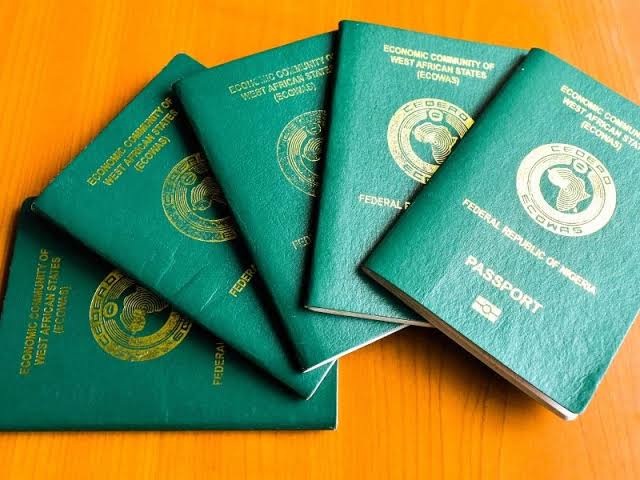
Niger has implemented new travel restrictions affecting Nigerians attempting to enter the country with the Economic Community of West African States (ECOWAS) passport. This decision comes in the wake of Niger’s recent withdrawal from the ECOWAS, alongside Mali and Burkina Faso, and marks a significant shift in the region’s immigration policies.
New Immigration Measures
Despite maintaining an open border with Nigeria, Nigerien authorities have begun enforcing stricter immigration controls at key border crossings, including Illela in Nigeria and Konni in Niger. Under the new regulations, travelers from Nigeria are now required to present a valid international passport to gain entry into Niger. The ECOWAS passport, which was previously accepted as a valid form of identification for regional travel, is no longer recognized by Nigerien officials.
Impact on Cross-Border Trade and Commuters
The enforcement of these new measures has created significant challenges for cross-border traders and commuters who frequently travel between Nigeria and Niger. Many individuals who relied on the ECOWAS passport for their travels are now facing difficulties, as they are unable to meet the new entry requirements. This has led to confusion and frustration among travelers, many of whom are unprepared for the sudden change in policy.
Local traders, who play a vital role in the economies of both countries, are particularly affected. The restrictions threaten to disrupt established trade routes and could lead to economic losses for those who depend on cross-border commerce. Commuters who travel for work or family reasons are also feeling the impact, as the new regulations complicate their ability to move freely between the two nations.
Regional Implications
Niger’s decision to enforce these restrictions reflects broader geopolitical tensions within the West African region, particularly following the recent withdrawal of Niger, Mali, and Burkina Faso from ECOWAS. This move has raised concerns about the future of regional cooperation and integration, as well as the potential for increased isolation among member states.
The situation has prompted calls for dialogue and negotiation among ECOWAS member states to address the underlying issues that led to these withdrawals. Observers warn that the imposition of such travel restrictions could further strain relations between Niger and Nigeria, two countries that share deep historical, cultural, and economic ties.
Conclusion
As Niger begins to enforce these new travel restrictions, the implications for cross-border trade, regional cooperation, and the movement of people are becoming increasingly apparent. The requirement for a valid international passport has created significant hurdles for many Nigerians, raising questions about the future of free movement within the ECOWAS region. Stakeholders are hopeful that diplomatic efforts will be made to resolve these issues and restore the spirit of cooperation that has characterized the region in the past.