Ghana is not a christian state, it’s time to prove it. That the presidency is not a “Boys’ Club or a Religious Seat” . Ghana can only secure lasting solutions to its many challenges if it begins to fully acknowledge and embrace the broader implications of diversity in leadership. Our national focus must move beyond narrow preferences rooted in religion or gender, and instead prioritize competence, character, and vision.
The long-standing culture that subtly favors Christians or men as default presidential candidates must be questioned. Just as Ghanaians have become comfortable with Christian men and women occupying the highest offices, we must extend that same openness to Muslim men and women so long as they are qualified citizens of this country. It’s time for inclusive presidency by redefining Ghana’s presidential identity.
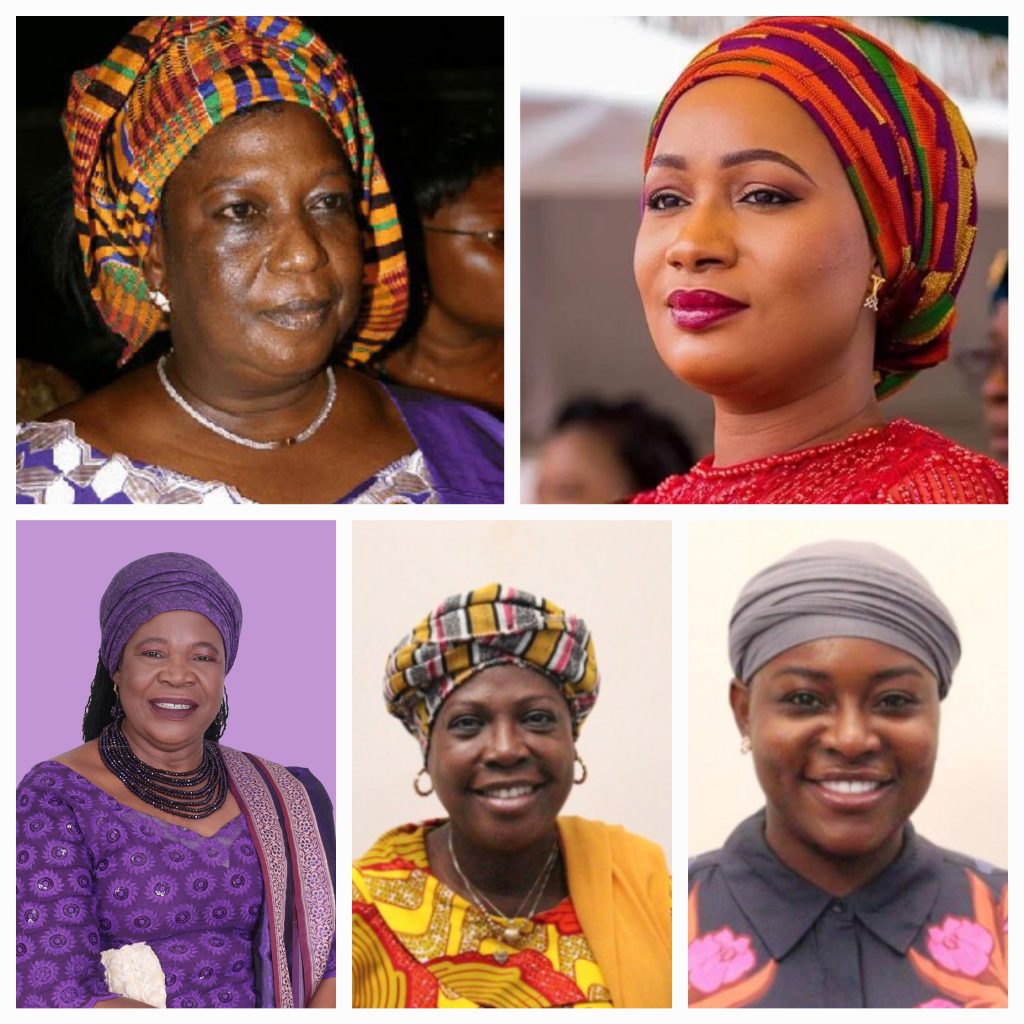
In fact, my aspiration goes even further. I do not merely wish to see a Muslim president; I envision a female Muslim president. Ghana has capable Muslim women in public life and figures such as the late Hon Hajia Hawa Yakubu or Hon Hajia Zuwera Mohammed Ibrahimah, Hon. Hajia Nasira Afrah Gyekye, Hon. Hajia Laadi Ayii Ayamba and H. E Hajia Samira Bawumia and many others whose leadership potential remains under-recognized. These women embody intellect, strength, composure, and the qualities required for high office. If Ghana should be embracing religious and gender diversity in leadership, we should be breaking the veiling by making a case not just for Muslim man as president, but for a female muslim president in Ghana. Why not a female muslim president? Ghana must answer.
At the heart of this conversation is a simple but vital principle: leadership must never be reduced to religious identity or gender. It must be grounded in merit, integrity, and the ability to serve all citizens fairly. While it is true that Ghana’s population is predominantly Christian, the notion that Ghana is a “Christian country” risks excluding others and reinforcing harmful stereotypes. Our democracy is founded on inclusivity, not religious labeling.
Ghana has not necessarily benefited from leaders chosen on the basis of religion, and it is therefore troubling when electoral choices begin to reflect religious or even denominational divisions. Such a trajectory undermines national unity and distracts from the qualities that truly matter in governance.
My advocacy may sound bold to some, particularly to those who hold rigid or exclusionary views.
However, it is rooted not in division, but in fairness and national progress. As an advocate for both human and natural resources, I believe in harnessing value from all segments of society for development. This includes empowering women and underrepresented groups to lead.
Ghana has never had a female president. Breaking this barrier, especially with a female Muslim president would symbolize both gender equality and religious inclusion at the highest level of leadership. It would send a powerful message that every Ghanaian, regardless of background, can aspire to the presidency.
At the same time, it is important to acknowledge that many voters prioritize policies, competence, and integrity over identity. And rightly so. The ultimate goal is to elect leaders who can govern effectively and equitably for all.
My tribute to Samira Bawumia extends to all Muslim men and women in politics: do not lose hope. You are not on the margins of national leadership. Your contributions, intellect, and character are recognized and valued.
While Samira Bawumia has not declared any presidential ambition, her role as Second Lady and global advocate reflects the kind of leadership that can inspire future possibilities. Whether through her or other capable women in politics, the path toward inclusive leadership remains open.
Supporting Mahamudu Bawumia for president, in my view, is further strengthened by the presence of a strong, capable partner like Samira. Her visibility and influence could help pave the way for more women, both Muslim and Christian to aspire to the presidency.
Ultimately, my vision is for Ghana to move beyond tradition and embrace leadership that reflects both religious diversity and gender equality. Whether this vision is realized through Samira Bawumia or another equally capable woman is secondary. What matters is that the door remains open.
I want to be clear: I am advocating not just for a Muslim president, but for a female Muslim president. Muslim women must not be confined to supporting roles as spouses of political figures. They are equally capable qualified, experienced, intelligent, and deserving of the highest office in the land.
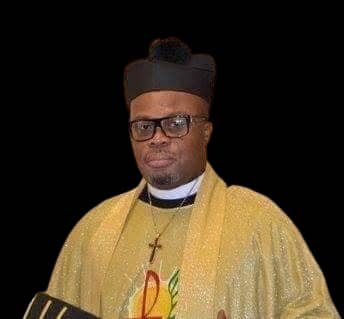
Venerable Dr Nathaniel Nii Naate Atswele Agbo Nartey – Ex- Vice President of American Association of Christian Therapists – USA