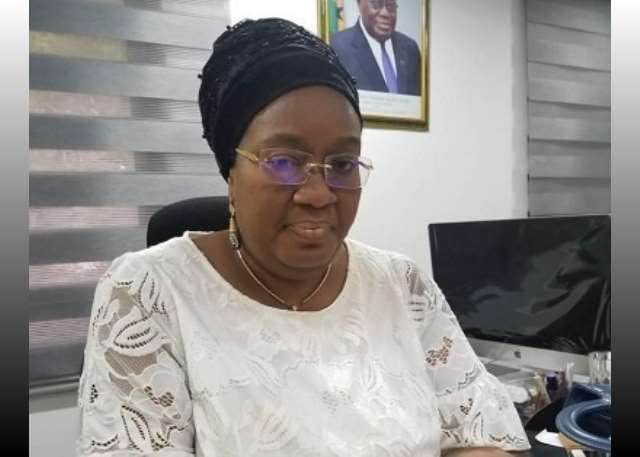
Members of the Christian Women’s Fellowship in Naa Torshie’s church have firmly rejected her attempt to draw the church into partisan politics. They dismissed her claim that the fellowship endorses her political posture, emphasizing that as mothers, every child deserves equal care, compassion, and moral consideration.
They stressed that this principle reflects the belief that every person possesses inherent worth, dignity, and fundamental rights a value echoed in Article 1 of the Universal Declaration of Human Rights. Regardless of differences in background, ability, belief, or circumstance, the fellowship insists on moral equality, respect, and inclusion for all, Muslim or Christian alike.
According to the group, Naa Torshie’s remarks (“My women’s fellowship tells me that when you bring someone back 10 times, they won’t vote for him”) misrepresented their views and violated the church’s non-partisan and unifying character. This outcome, they noted, stems from her pattern of unchecked and ill-considered public statements, which have damaged her credibility, compromised the standing of her church, and undermined her political messaging.
By invoking her church in this manner, she has exposed the women’s fellowship to reputational risk and placed the broader congregation in an avoidable crisis of public perception. No strategic communicator would regard this as anything other than a self-inflicted liability.
From a political strategy perspective, her actions amount to weakening her own coalition. Ghana’s political environment demands coalition-building, interfaith diplomacy, and respect for civic and religious institutions. Instead, she has demonstrated a recurring pattern of uncalculated remarks statements made without evidence, caution, or consideration of their national and political consequences.
Naa Torshie’s decision to attribute a partisan stance to her church’s women’s fellowship is not merely poor judgment; it is a strategic miscalculation with far-reaching implications. Her statement crosses a line that even Ghana’s most polarizing political actors avoid: dragging an entire congregation into sectarian partisan rhetoric.
This kind of careless political behaviour weakens party cohesion and strains the interfaith harmony Ghana has worked to build over decades. It exposes a systemic weakness in her communication approach.
Today, her church and its women’s fellowship are forced to clarify statements they never made, defend positions they never endorsed, and manage risks they did not create. It is now clear that she projected a personal political bias onto a religious community that neither authorized nor consented to such representation.
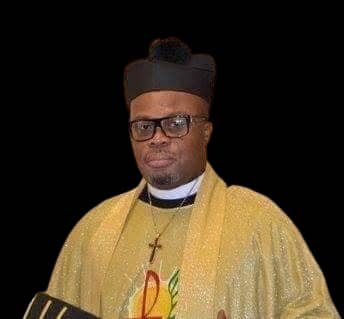
Osɔfo Nii Naate Atswele Agbo Nartey